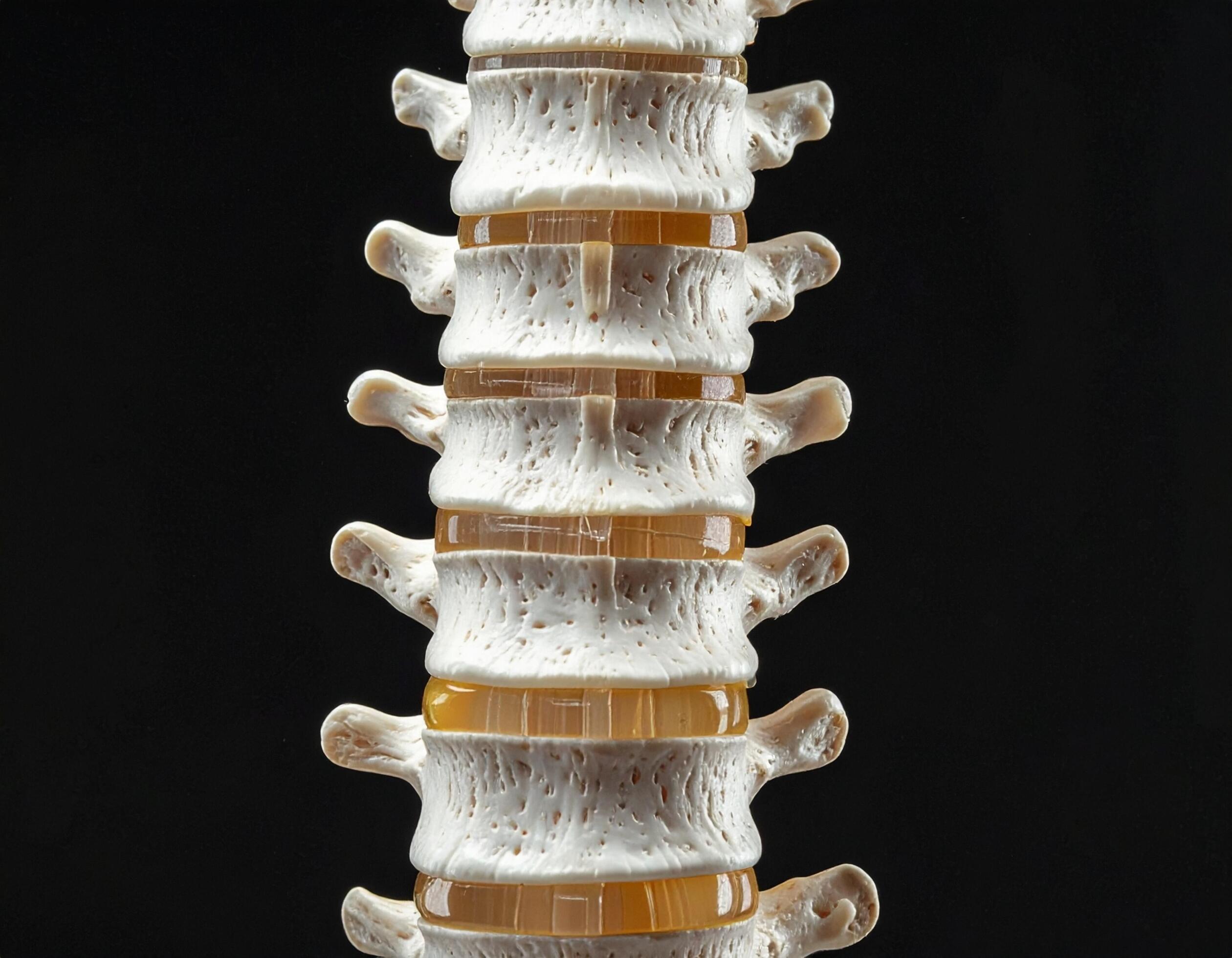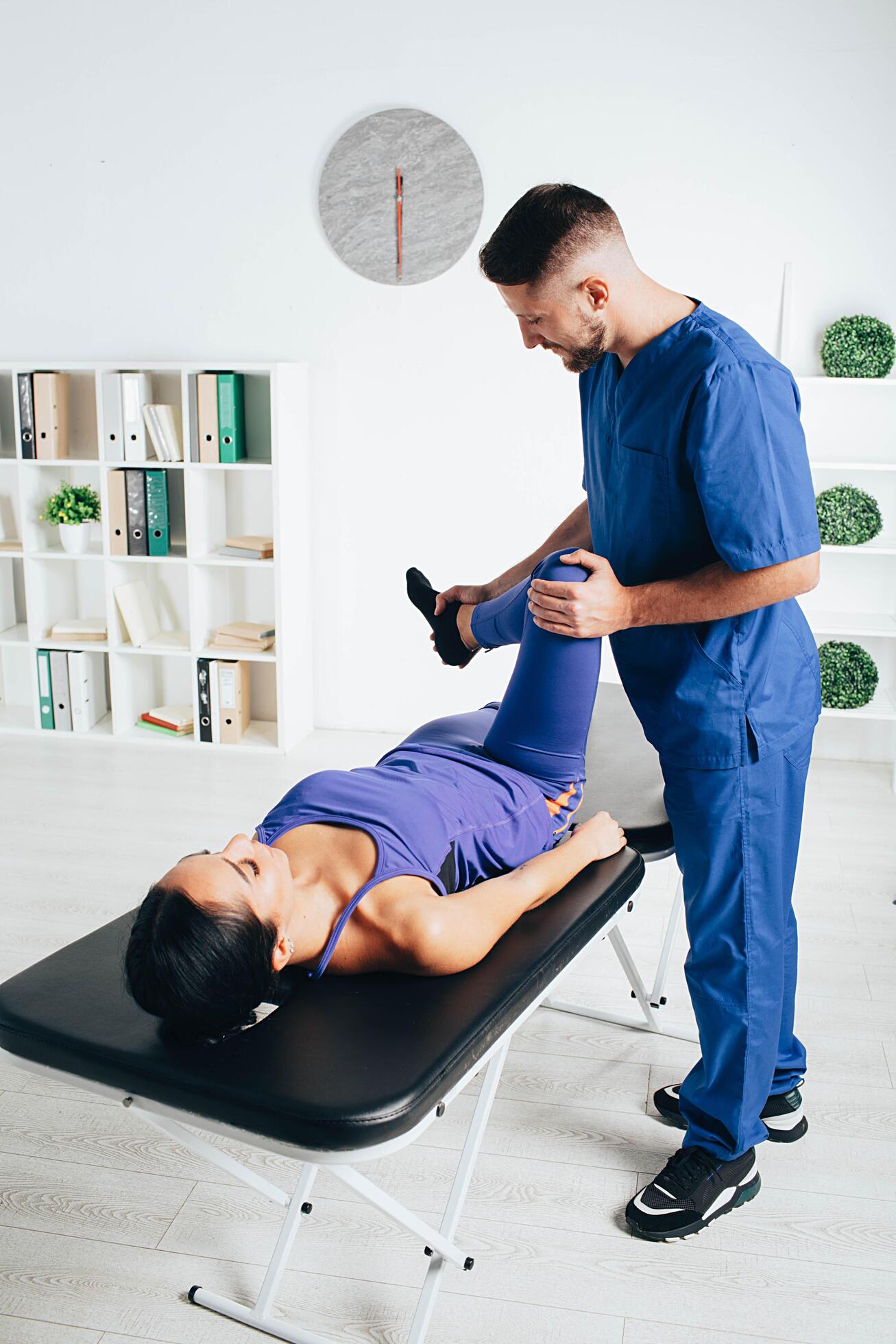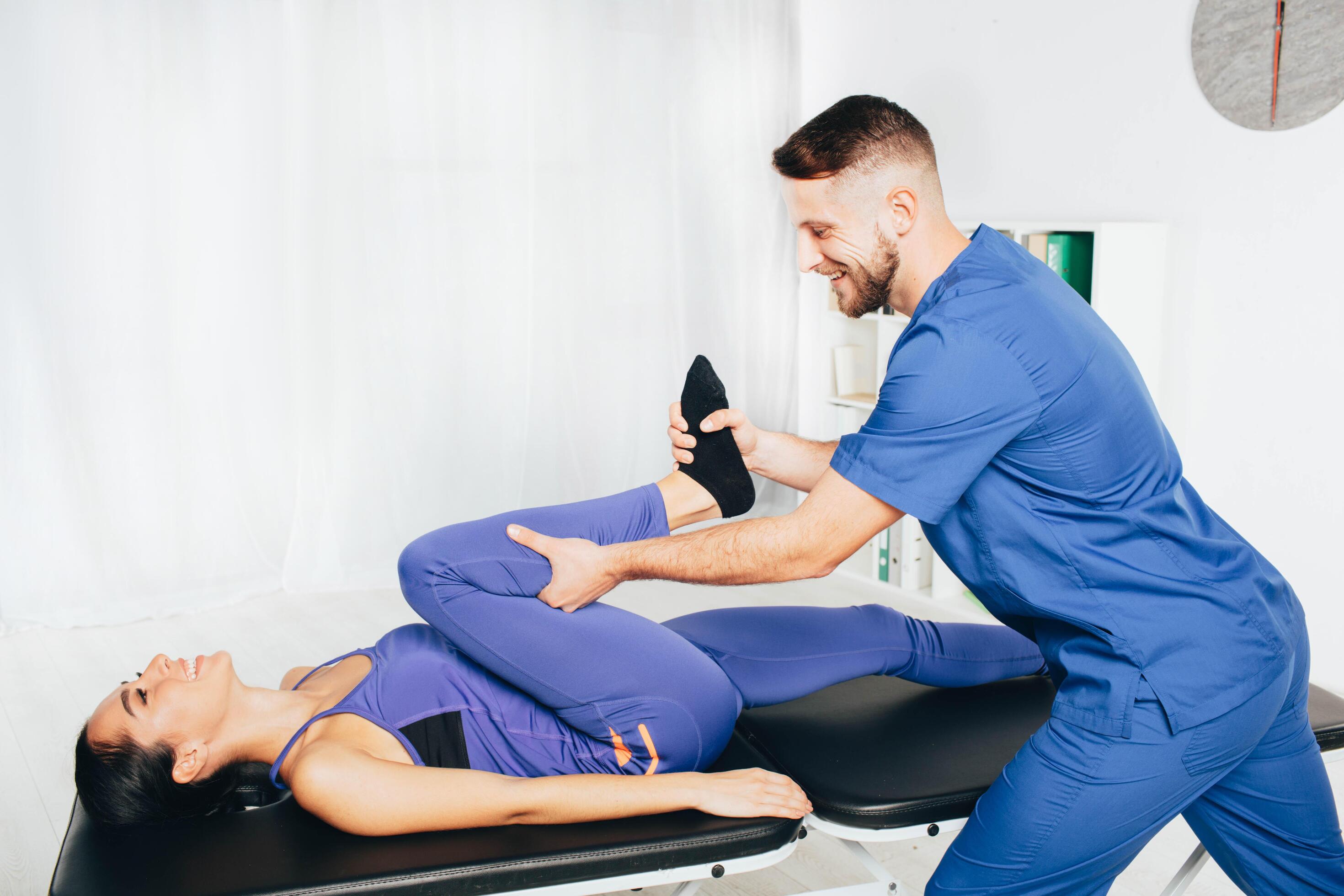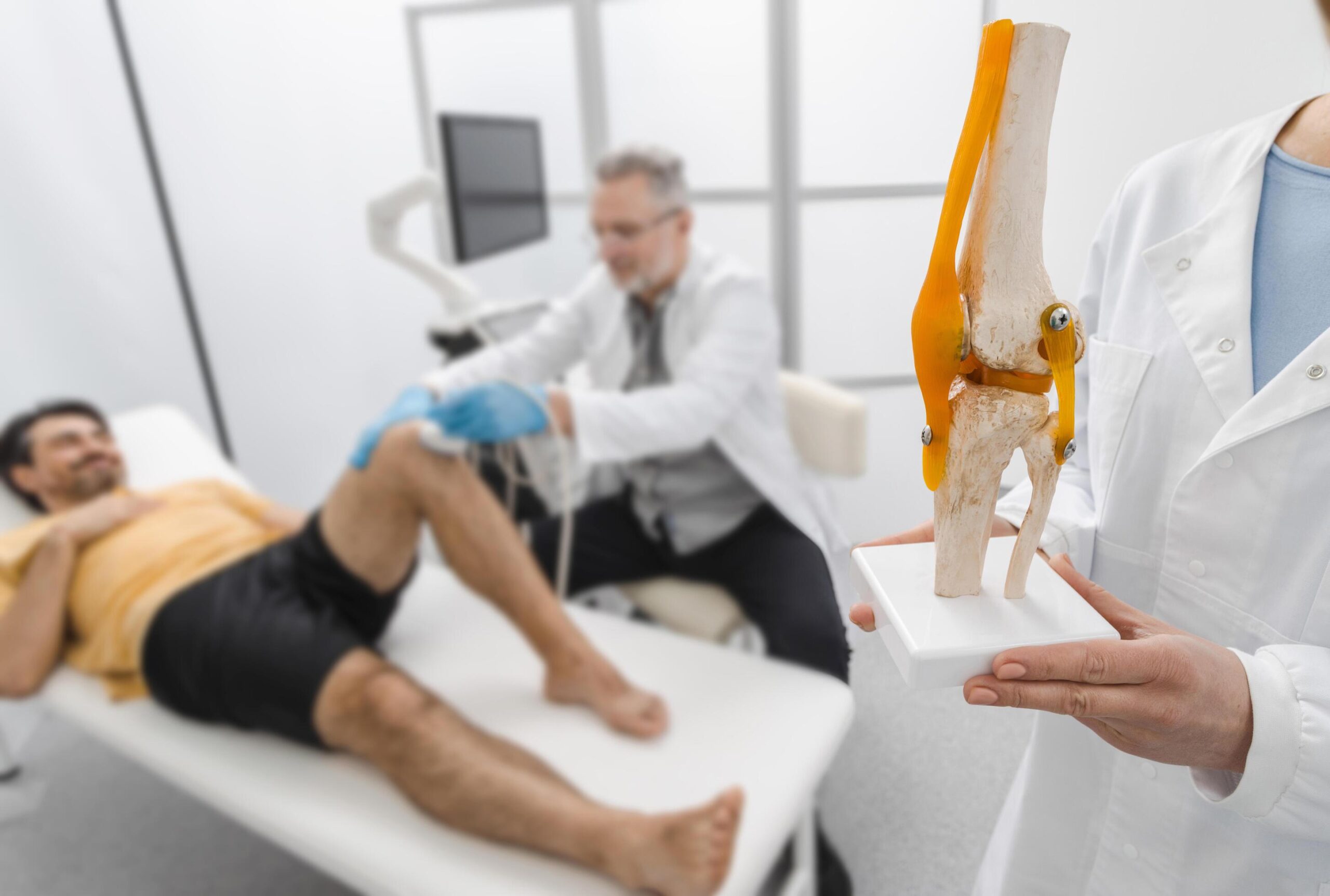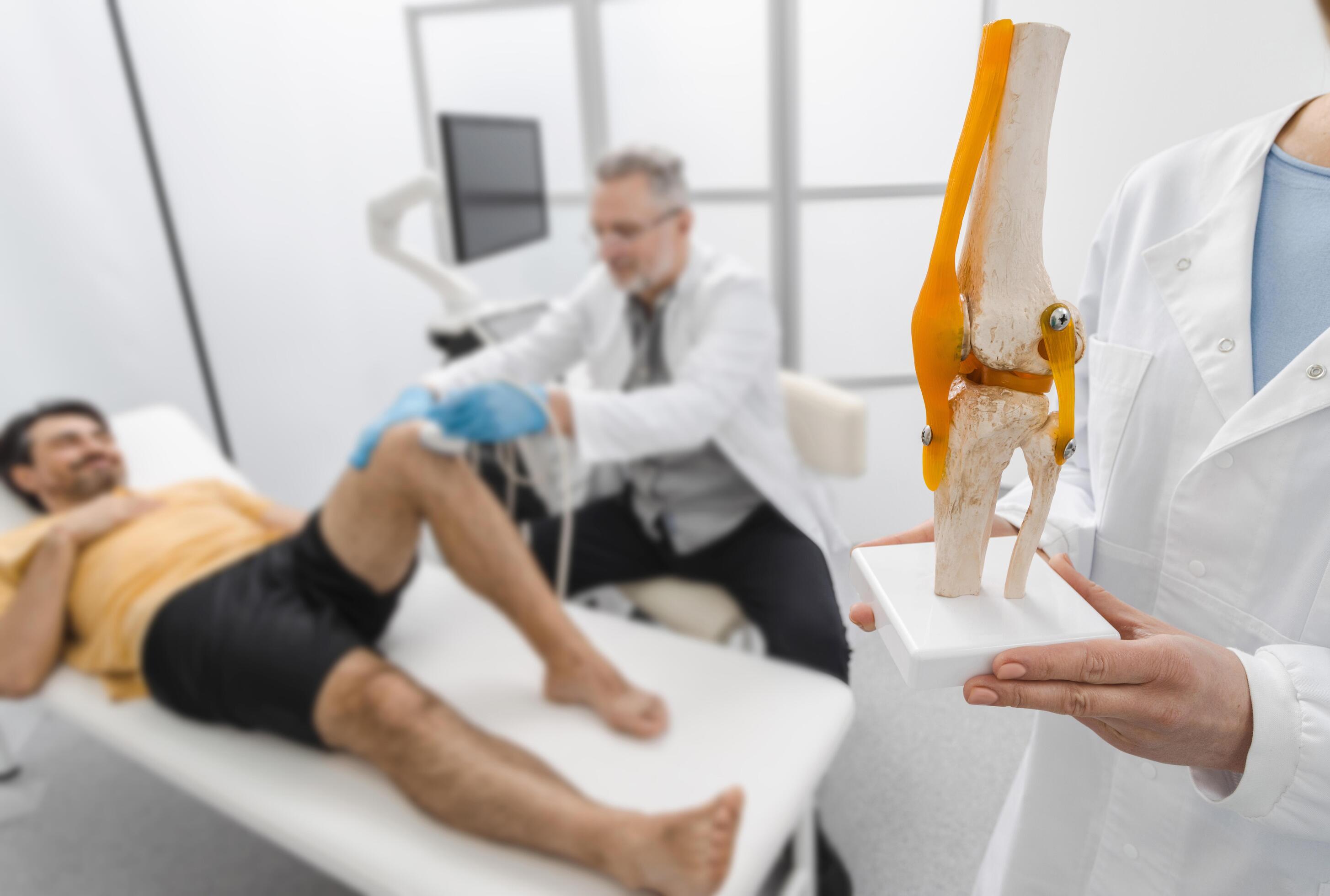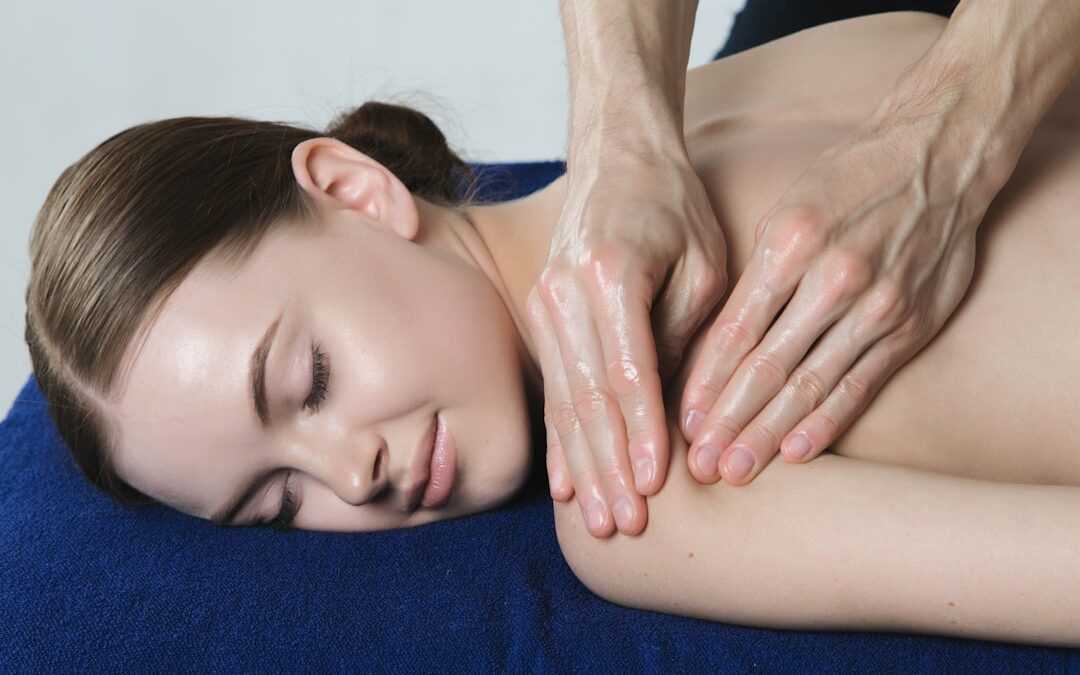
Most athletes do not seek out medical help because something went wrong. They do it because they do not want something to go wrong. As training loads increase, small issues tend to surface. A shoulder that always feels tight. A knee that takes longer to warm up. One side that never quite feels as strong as the other.
Working with orthopedic and physical therapy specialists gives athletes a way to address those signals before they turn into lost training time.
Why Traditional Training Does Not Always Catch Early Problems
Coaches and trainers are great at building performance. They focus on speed, strength, conditioning, and skill. What they do not always see is how the body is handling that work underneath.
Athletes often adjust without realizing it. They change how they land. They shift weight. They avoid certain positions. Training continues, but the body is quietly compensating. That is usually when specialists get involved, not because pain is severe, but because something feels off.
What Specialists Actually Look At During Training
Orthopedic and physical therapy specialists are less concerned with numbers and more concerned with movement. How joints move together. How force travels through the body. What happens when fatigue sets in?
They pay attention to things like control during single-leg tasks, how the shoulders and hips share load, and whether mobility limits are forcing other areas to work harder. These details matter when training volume stays high week after week.
How This Support Helps Athletes Keep Training
One common fear is that working with specialists means backing off. In reality, it often allows athletes to train more consistently.
When movement is cleaner and recovery is managed better, athletes spend less time modifying workouts around soreness. Sessions feel more productive. Rest days actually restore energy instead of just managing pain.
Why This Matters More During Intense Training Cycles
As intensity ramps up, small problems stop being small. Fatigue exposes weaknesses quickly. Without support, athletes often push through until something gives. Specialists help monitor how the body responds over time. Adjustments happen earlier. That keeps minor issues from turning into missed weeks or months.
What Athletes Usually Notice Once Support Is In Place
Athletes often say training feels smoother. Warm-ups take less effort. Recovery between sessions improves. They stop thinking about problem areas during workouts. The biggest difference is availability. Being able to show up and train consistently matters more than any single session.
Who This Approach Works Well For
This is not just for elite athletes. Youth athletes playing year-round sports, adult competitors training after work, and fitness-focused individuals pushing personal goals all benefit. Anyone placing regular stress on their body can benefit from medical insight that supports movement and recovery. Care is based on how you train and what your body is being asked to do.
Train With More Support In Phoenix
If training feels limited by recurring soreness or slow recovery, working with orthopedic and physical therapy specialists can help. Schedule an evaluation with Modern Medicine Physical Therapy & Sports Medicine of Gilbert, AZ, and give your training the support it needs to last.