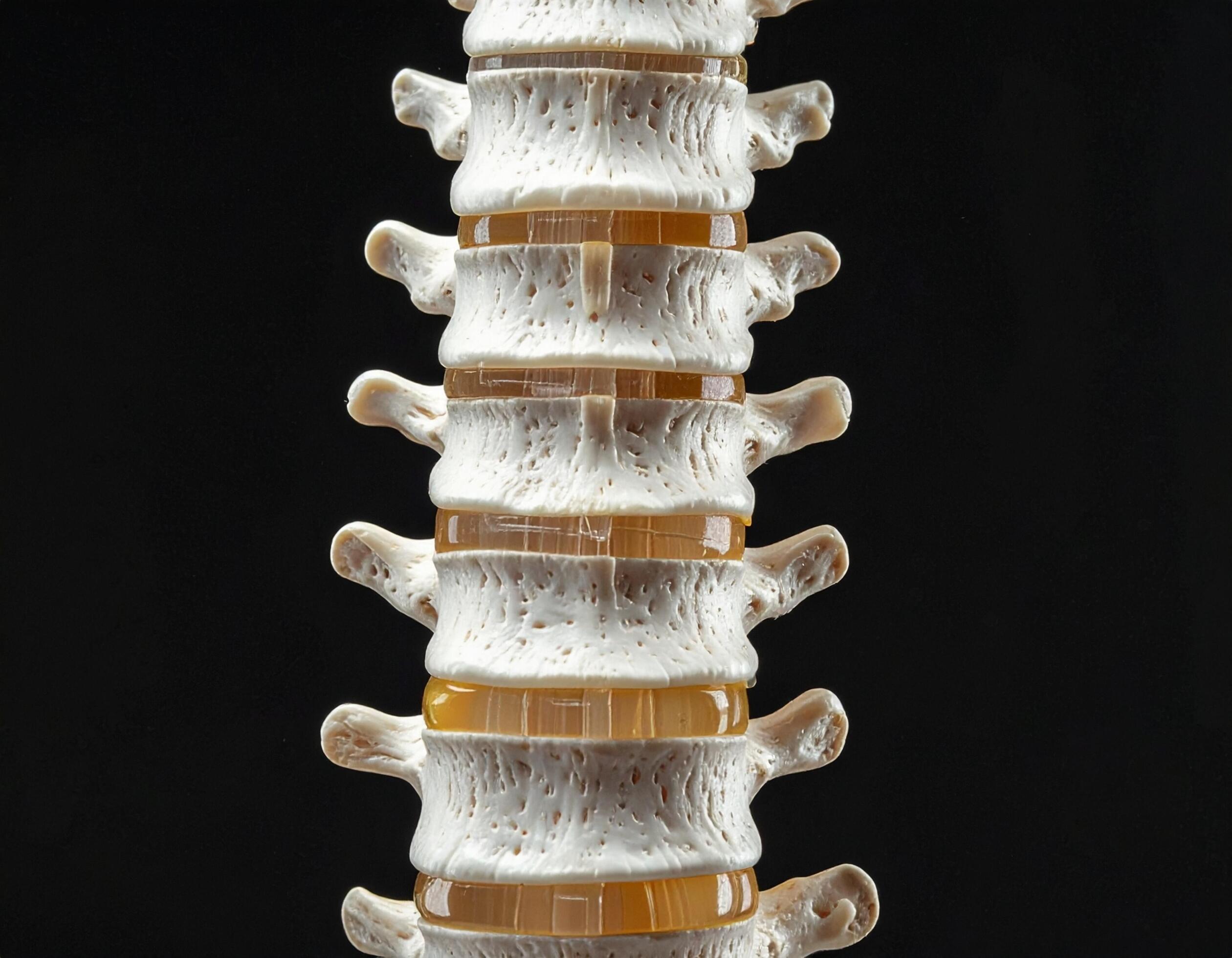
Queen Creek, AZ — How Do Physical Therapists Treat Sciatica and Nerve Pain?
Sciatica and nerve pain can make you feel a little helpless. It shoots, it burns, it comes and goes on its own schedule, and it's not obvious what you're supposed to do about it. The good news is that physical therapists have a real, methodical toolkit for this, and each piece of it does a specific job. Understanding what those methods are and why they work takes some of the mystery out of it. Here's how a therapist actually goes about calming an irritated nerve.
First, We Find What's Irritating It
Before any treatment, the therapist figures out what's actually pressing on or inflaming the nerve. A disc in the lower back bulging onto a nerve root. Tight muscles in the buttock squeezing the nerve as it passes through. Stiff, irritated joints in the spine crowding it. The source shapes the whole plan, so this comes first.
Part of that is finding your direction. Most people with sciatica have a position or movement that eases the pain and one that flares it. The therapist finds yours, because it becomes a key part of the treatment.
Method One: Take Pressure Off the Nerve
The first job is settling the nerve down, and that means easing the pressure on it. The therapist has you favor the positions and movements that relieve it. For a lot of people, repeated gentle motion in one specific direction pulls the symptoms up out of the leg toward the spine, which is the sign things are improving. Calming the nerve first is what makes everything after it possible, since an angry nerve won't tolerate much else.
Method Two: Loosen What's Crowding It
Next comes the tight, stiff stuff feeding the problem. Sciatica rarely travels alone. It usually comes with locked-up hips, glutes, and lower back muscles, all adding to the load on the nerve. Hands-on work loosens the stiff joints and eases the muscle tension. Targeted stretching brings the tight areas back to a normal length so they stop pulling on the nerve.
Method Three: Get the Nerve Gliding
This one's specific to nerve pain. Nerves are meant to slide as you move, and the sciatic nerve glides along its path from your back down your leg. When things tighten around it, the nerve catches and gets tugged, which is a lot of that sharp, shooting pain. Therapists use gentle nerve glide techniques, small controlled movements that coax the nerve back to sliding freely instead of getting stuck.
Method Four: Build the Support That Keeps It Calm
This is what keeps sciatica from circling back. A lower back that keeps irritating a nerve is often one without enough support around it. So the therapist builds up the core, the deep muscles that brace the spine, and the glutes and hips that take load off the lower back. With real support in place, the nerve stops getting provoked in the first place.
If a nerve's got you hurting, Modern Medicine of Gilbert, AZ can work through the steps to settle it and get you moving again. A quick call sets up your visit.