What a Fracture Does to the Body
The bone heals. Everything surrounding the fracture site does not heal on the same timeline or without help. Muscle shuts down fast around an injury. Movement patterns shift to protect the area and stay shifted. The joints above and below stiffen from weeks of limited use. Joint awareness, the body’s ability to sense position and load accurately, gets disrupted and does not come back without specific work. People assume that once the bone is solid, the recovery is done. For most fractures, that is not even close to true.
What Weeks in a Cast Actually Cause
Muscle loss starts within days of immobilization. Not gradually. Fast. A leg in a cast for six weeks loses significant quad and calf mass. A wrist or forearm fracture leaves grip strength noticeably reduced by the time the cast comes off. The joints above and below the fracture site stiffen. Circulation drops in the surrounding tissue.
None of it is avoidable. It is just what happens when a limb stops moving. The question is how it gets addressed once the bone is healed enough to start loading again.
Early Rehab
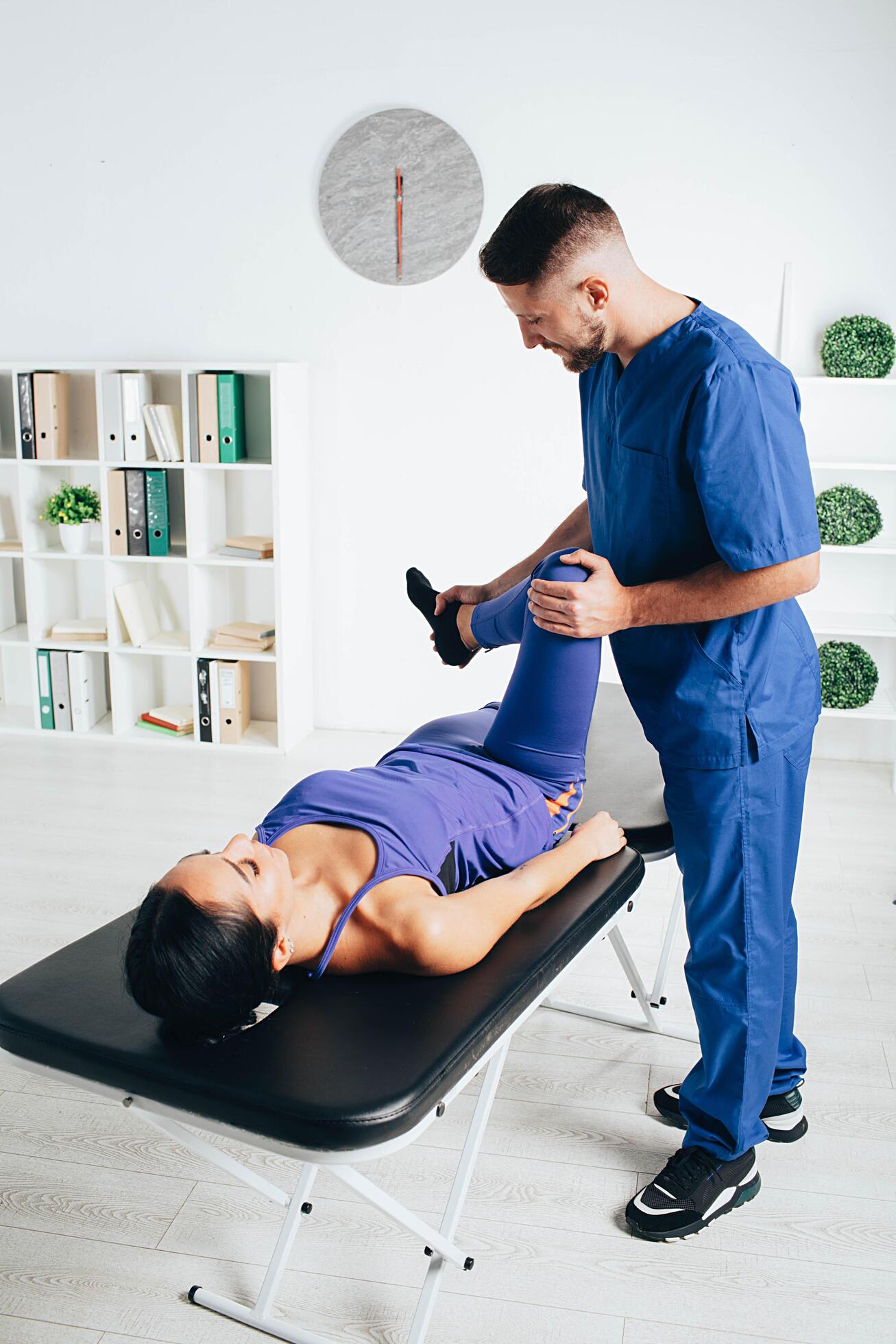
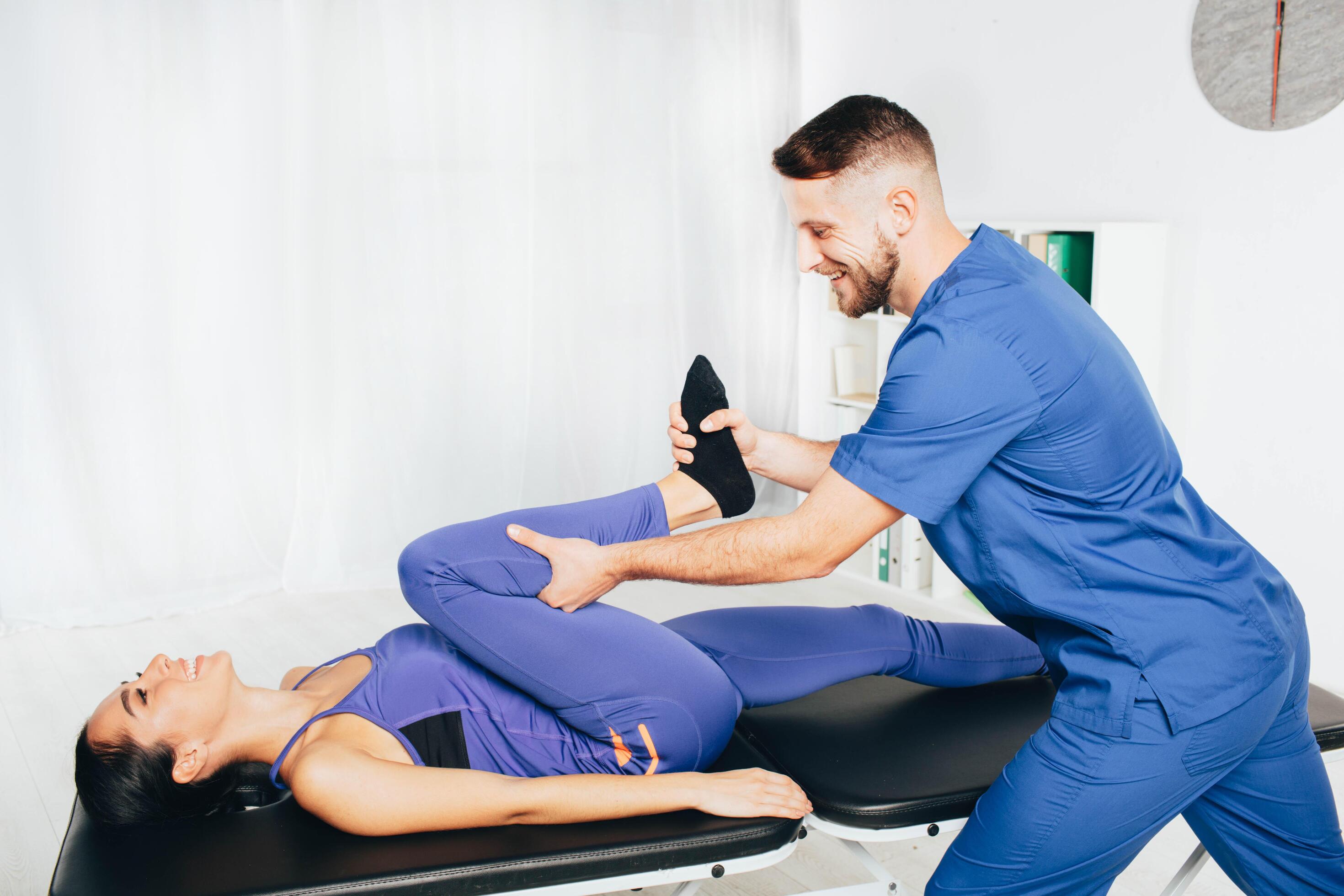
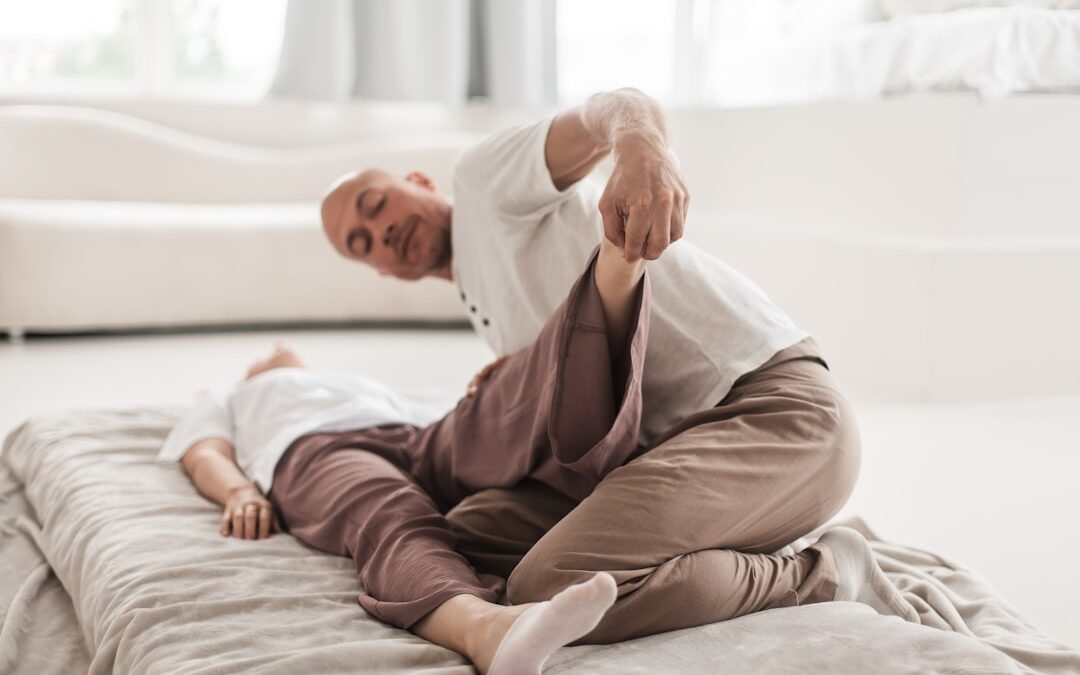
It begins with range of motion work in the stiffened joints. Swelling management if the area is still reactive. Light muscle activation to start reconnecting the patterns that shut down. For lower limb fractures, weight bearing increases gradually according to the bone healing timeline, not according to how the patient feels.
Feeling ready and being ready are two different things. Bone can feel solid before it has the structural integrity to handle a real load. The rehab progression accounts for that gap.
Building Strength
Once the fracture site is cleared for loading, the focus shifts to rebuilding what has atrophied.
Lower limb fractures need quad, glute, and calf work. These are the muscles that stairs, uneven ground, and normal walking all depend on. Upper limb fractures need grip, wrist, and shoulder work depending on what was immobilized and for how long.
Single limb work matters here more than most patients expect. The strength difference between the injured and uninjured sides after a fracture is significant. Closing that gap before returning to full activity is the difference between a recovery that holds and one that leads to a compensatory injury a few months later.
Movement Quality
A lower limb fracture that caused the patient to offload one side for weeks leaves the opposite hip, knee, and low back absorbing more than their share. Those structures are adapted to that demand. They do not reset automatically when the cast comes off.
Gait retraining addresses this after lower limb fractures. Functional movement retraining does the same after upper limb fractures. The goal is restoring how the whole body moves, not just the fracture site.
Modern Medicine of Gilbert, AZ, Is Here To Help
The final phase of rehab tests the tissue against what the patient is actually going back to. Recreational sport. A physical job. Hiking. Daily life without the old fracture site feels like a weak point every time it gets loaded.
If you are recovering from a fracture, contact Modern Medicine of Gilbert, AZ to schedule a physical therapy evaluation.