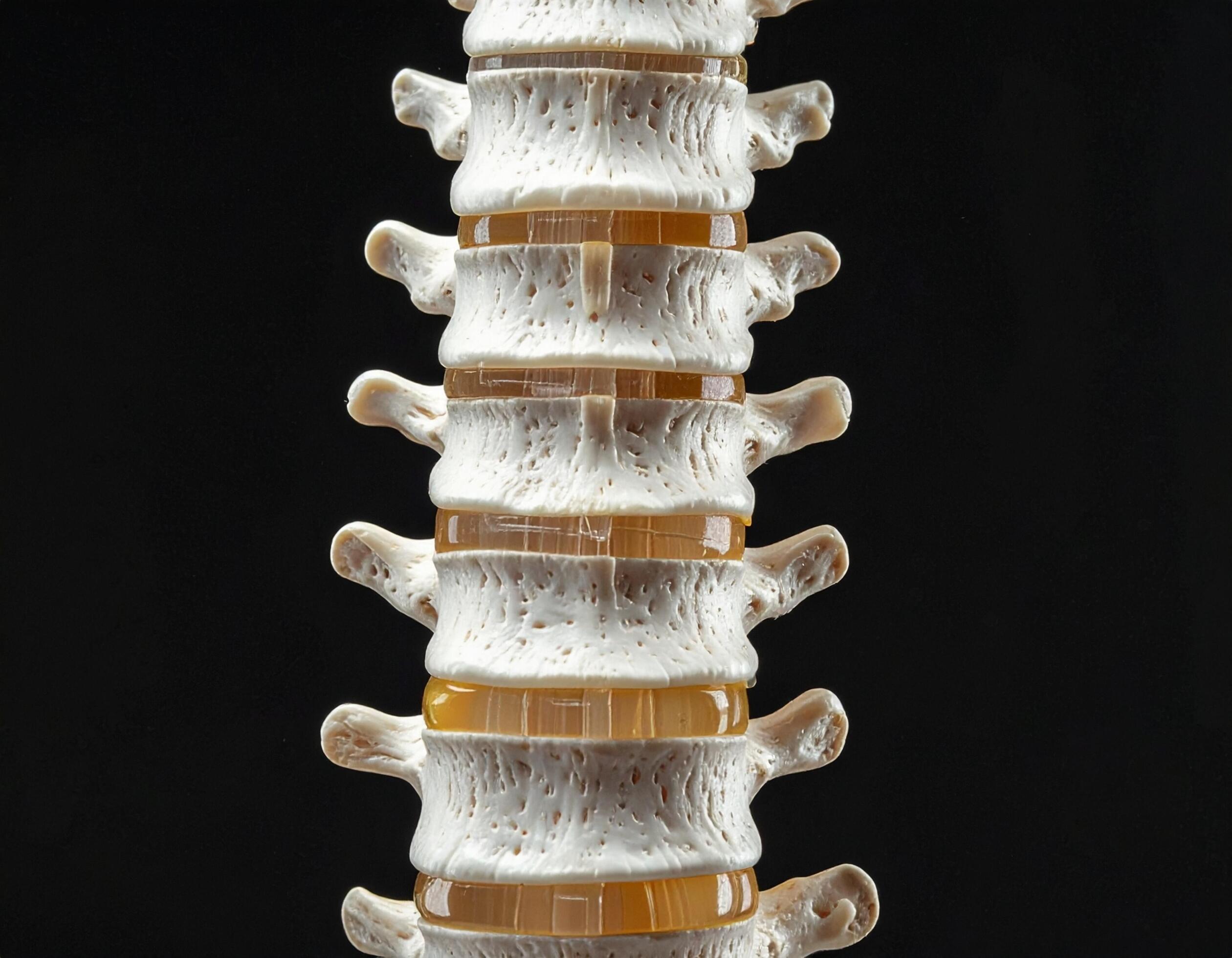
Here's what catches families off guard. A parent bends to pick something up, or sneezes hard, or steps down wrong, and suddenly there's sharp back pain that won't quit. No dramatic fall, nothing that looks like it should cause an injury. For an older adult, that can be a vertebral compression fracture.
Knowing what it is, and that most heal without surgery, takes a lot of the fear out of it.
What's Happening In The Spine
One of the bones in the spine, weakened over time, partly collapses under a load it should have handled. The front of the bone squashes down, which is why some people lose height or start to stoop as fractures add up.
Osteoporosis is almost always why the bone got fragile enough for this. The pain tends to be sharpest when standing or moving and eases when lying down.
Getting The Diagnosis Right
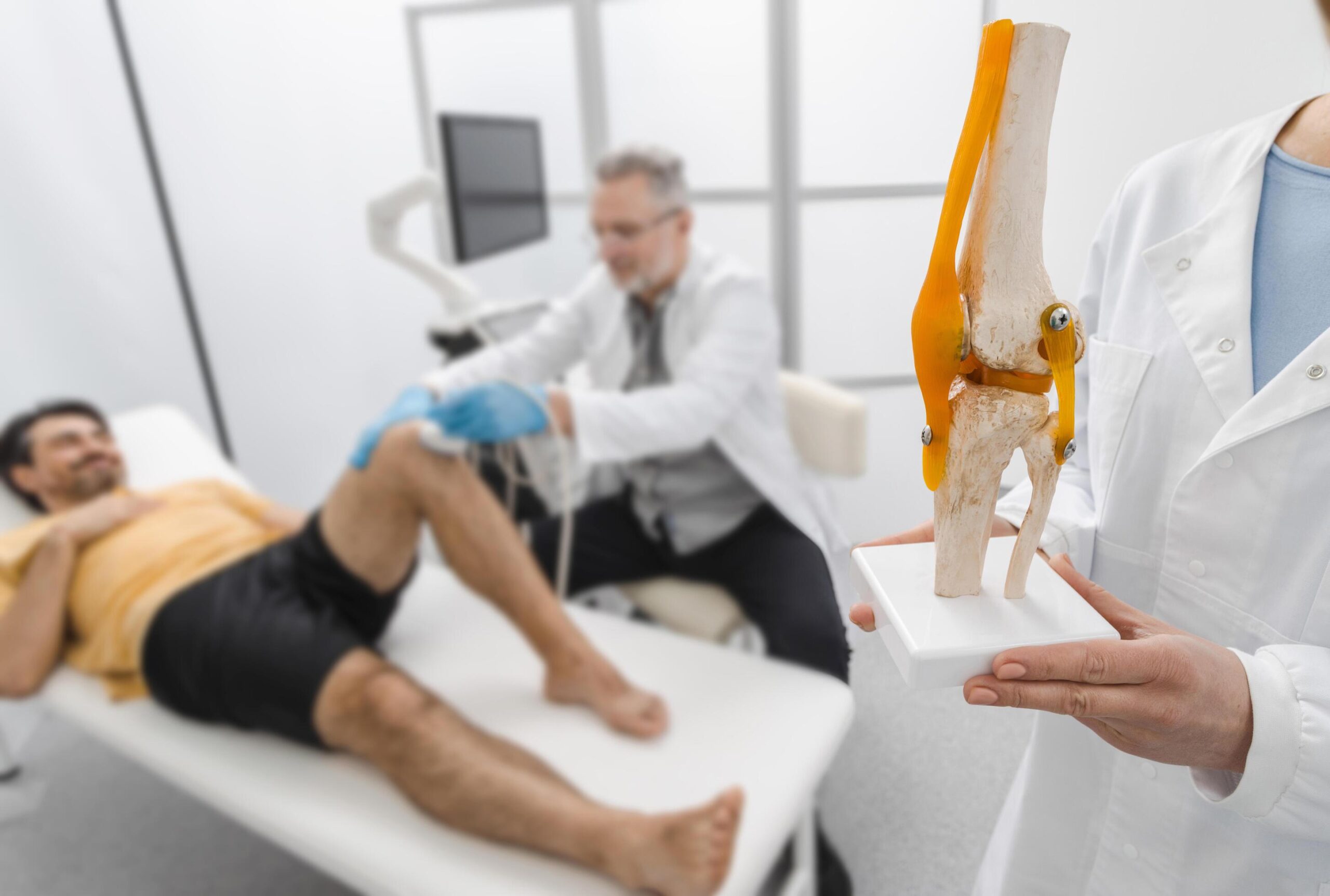
Not every sudden back pain in a senior is a compression fracture, so the first step is sorting out what's going on. A provider listens to how it started and how it behaves through the day, checks movement and where the pain sits, and uses imaging to confirm the fracture and rule out other causes.
There's a second question that matters just as much: why was the bone weak? Answering that is how you keep the next fracture from sneaking up.
Non-Surgical Care That Works
Most compression fractures heal on their own over several weeks. The care keeps a senior comfortable and moving safely while the bone mends.
- Pain control so rest is possible and getting around stays manageable
- A brace in some cases to steady the spine early on
- Gentle activity to prevent stiffening and muscle loss
- Posture and body-mechanics guidance to protect the spine
- A bone-health plan, since osteoporosis is the real backdrop
Long stretches of bed rest feel right when the back hurts, but they backfire. Too much rest weakens muscle and bone further. Finding the safe middle ground is a big part of the job.
Why The Bone-Health Part Is Non-Negotiable
Once the pain fades, it's tempting to move on. But if osteoporosis caused this fracture, it's still there, quietly raising the odds of another. So care doesn't stop at healing the break. It looks at bone density, vitamin D and calcium, balance, and fall risk around the house. Handling that is how one fracture doesn't become a pattern, and it's central to staying independent.
The Independence At Stake
Getting on top of a fracture early protects how a senior stands, moves, and lives on their own. For most people, that independence is what matters most.
Did an older parent near Queen Creek have sudden back pain? Modern Medicine of Gilbert, AZ can sort out what's going on and guide safe healing. Reach us by phone or the online booking form.