Here's a finding that changes how hip labral tears get treated. When researchers image the hips of people with no pain at all, a substantial number of them have labral tears. No symptoms, no complaints, torn labrum sitting right there.
That single fact should shape how you interpret your own scan.
What It Means For You
If tears exist in pain-free hips, then finding one on your imaging doesn't automatically make it the source of your pain. It might be. It might also be incidental, with your actual symptoms coming from somewhere else entirely.
Treating the report rather than the patient is how people end up having procedures that don't resolve what brought them in.
What The Labrum Does
Some background helps here. Your hip is a deep ball-and-socket joint built to carry your weight. The labrum is a ring of cartilage lining the socket rim, helping seal the joint and contributing to stability and smooth motion.
When a tear genuinely is causing symptoms, you'll usually notice deep groin pain, catching or clicking in certain positions, and discomfort with deep hip flexion, prolonged sitting, or pivoting. That pattern is what makes a tear a likely suspect rather than an incidental finding.
How The Source Gets Confirmed
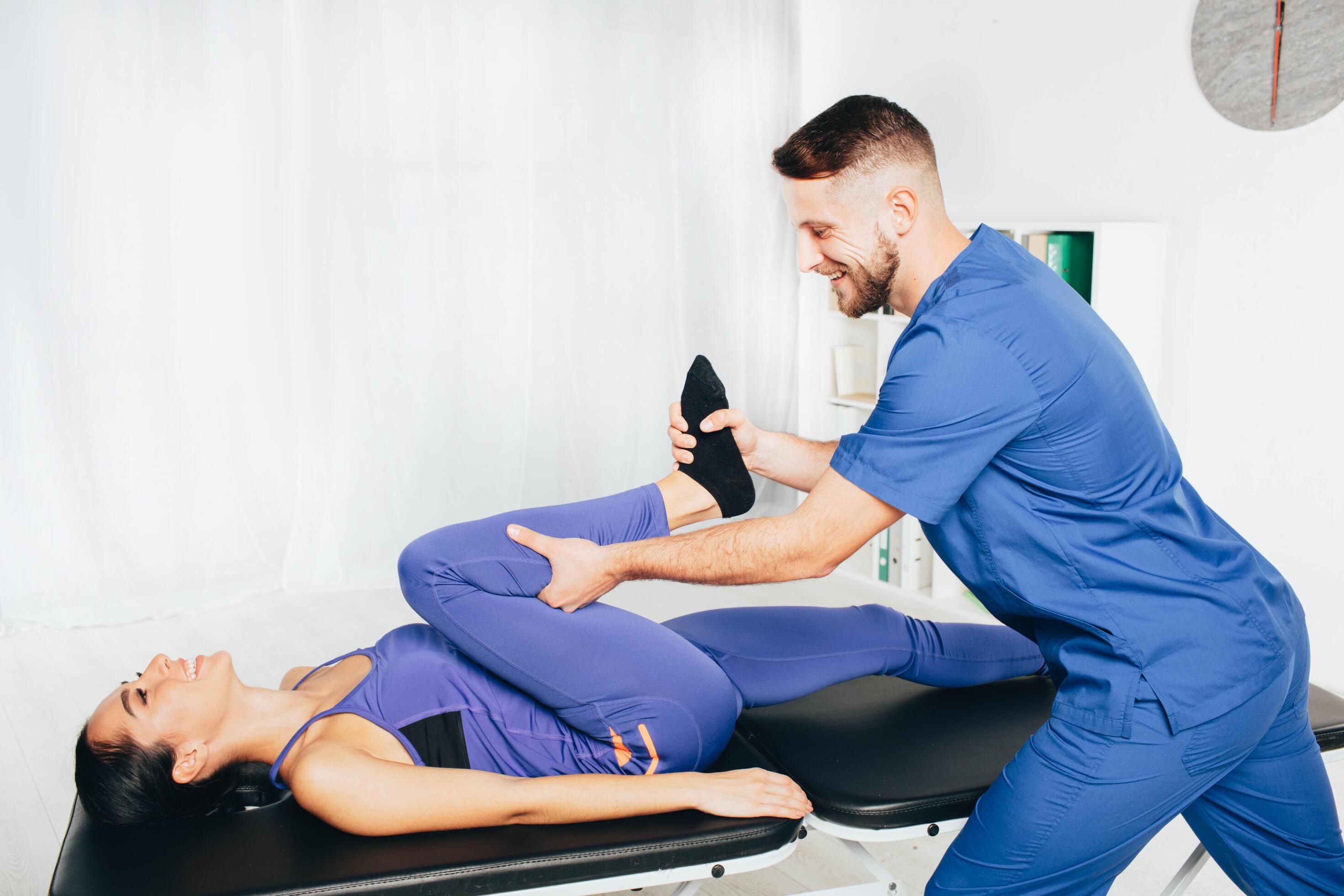
Rather than relying on imaging alone, a proper evaluation tests things directly. A clinician moves your hip through positions designed to load specific structures, watching for which ones reproduce your particular pain.
Certain combinations of flexion and rotation stress the labrum specifically. Resisted movements load particular tendons. Pressure over the outer hip identifies bursal irritation. Testing your back and nerve function rules out referred pain from above.
That exam usually narrows things considerably before imaging enters the conversation at all.
Where Injections Help Diagnostically
Something clinically useful. An injection of anesthetic into the hip joint tells you something regardless of how much relief it gives. Substantial relief means the pain is coming from inside the joint. Little relief points elsewhere.
That information is worth having before anyone discusses surgery.
Starting Conservative
Most hip pain, tears included, responds to non-surgical care:
- Strengthening the glutes and deep stabilizers for joint control
- Retraining movement to stop jamming the hip into painful positions
- Addressing tightness contributing to the pinch
- Modifying activity while things settle
Give it several months of genuine effort. Hips are strong joints and building the surrounding muscle meaningfully takes time, which is why three weeks of half-hearted work tells you nothing.
When Surgery Fits
Younger, active people substantially limited by symptoms, hips where bone shape creates ongoing impingement, and cases where real conservative care hasn't delivered. Not everyone with a tear on a scan.
Hip pain you haven't gotten a clear answer on? Modern Medicine of Tucson, AZ can evaluate it properly. Reach us by phone or the online booking form.