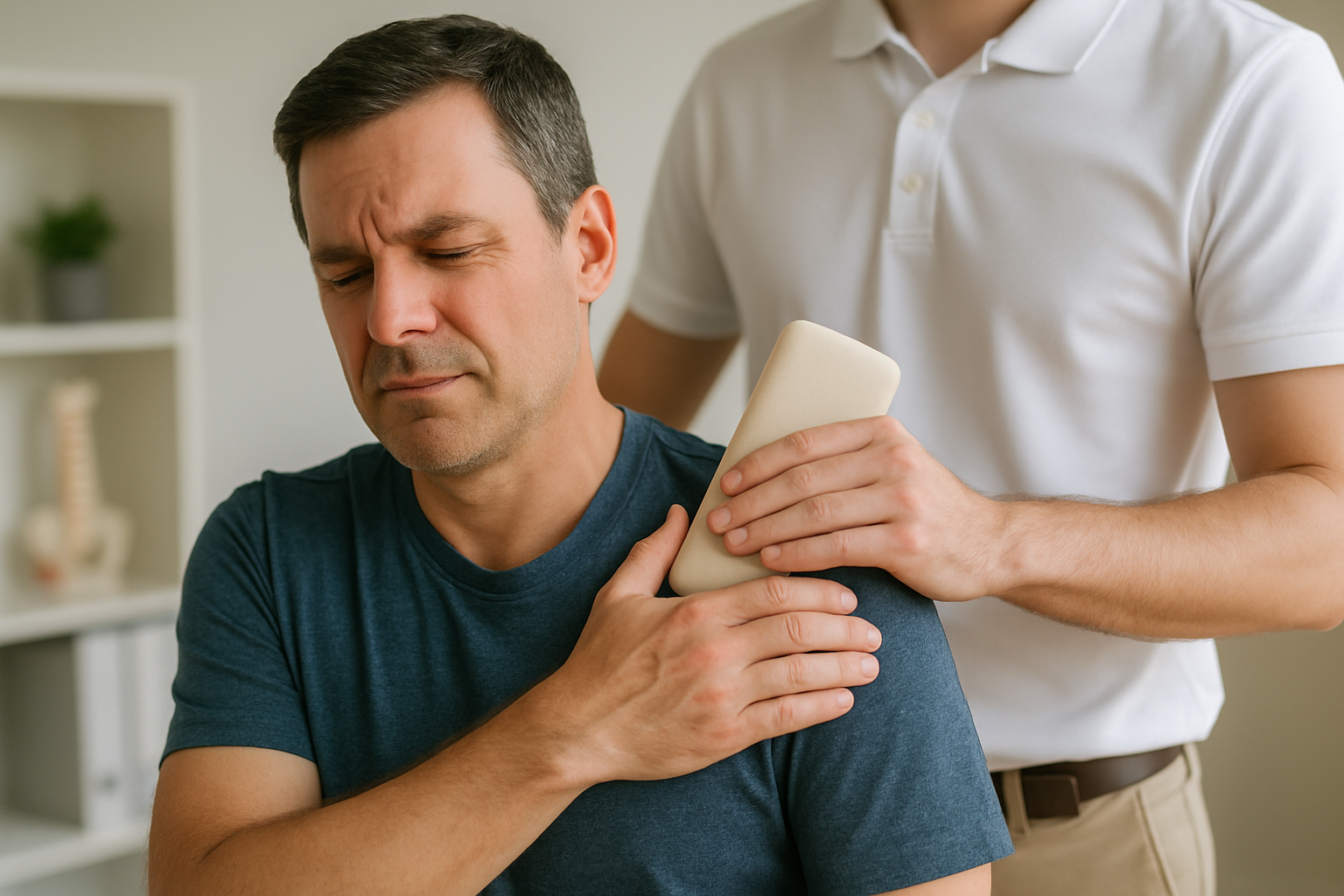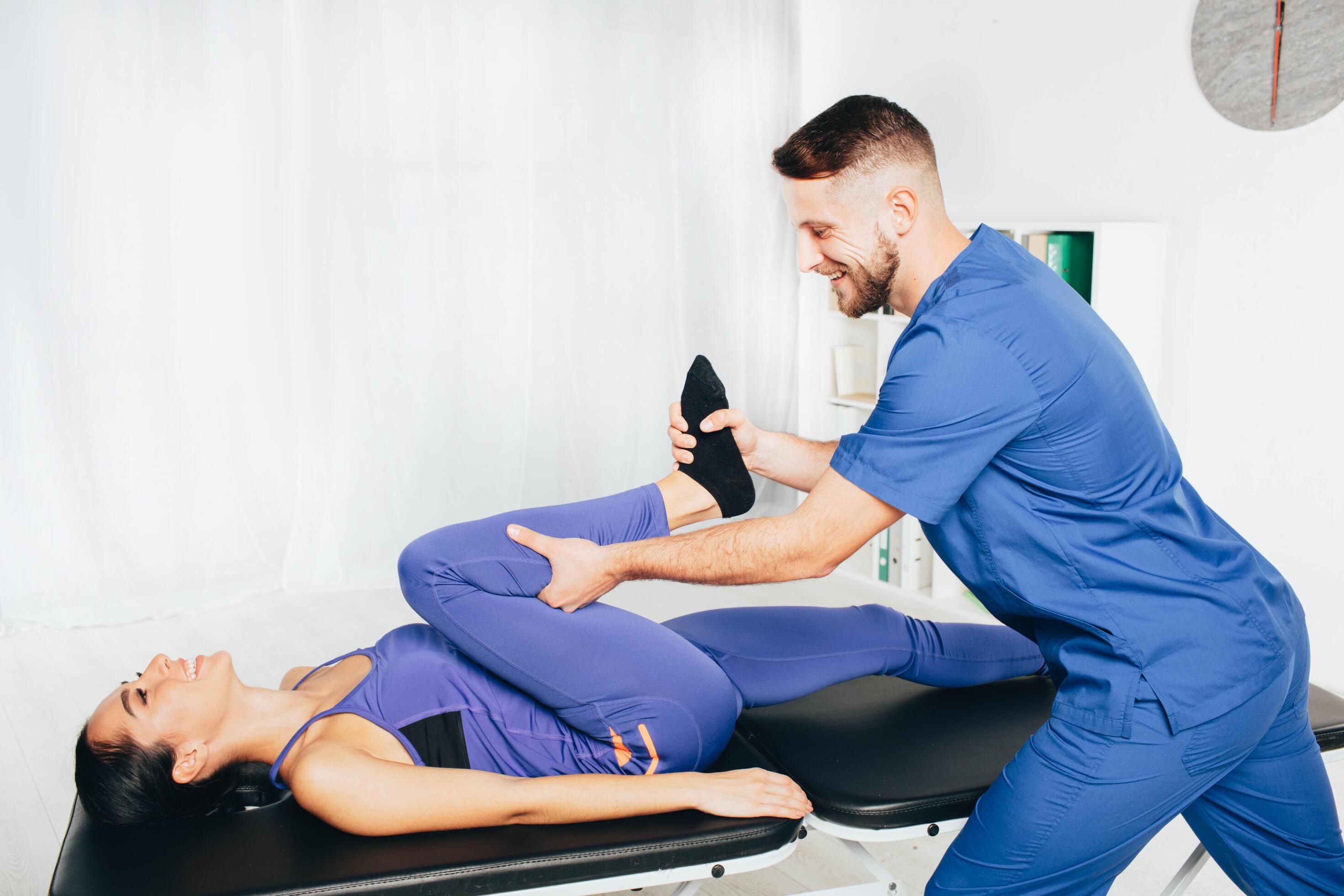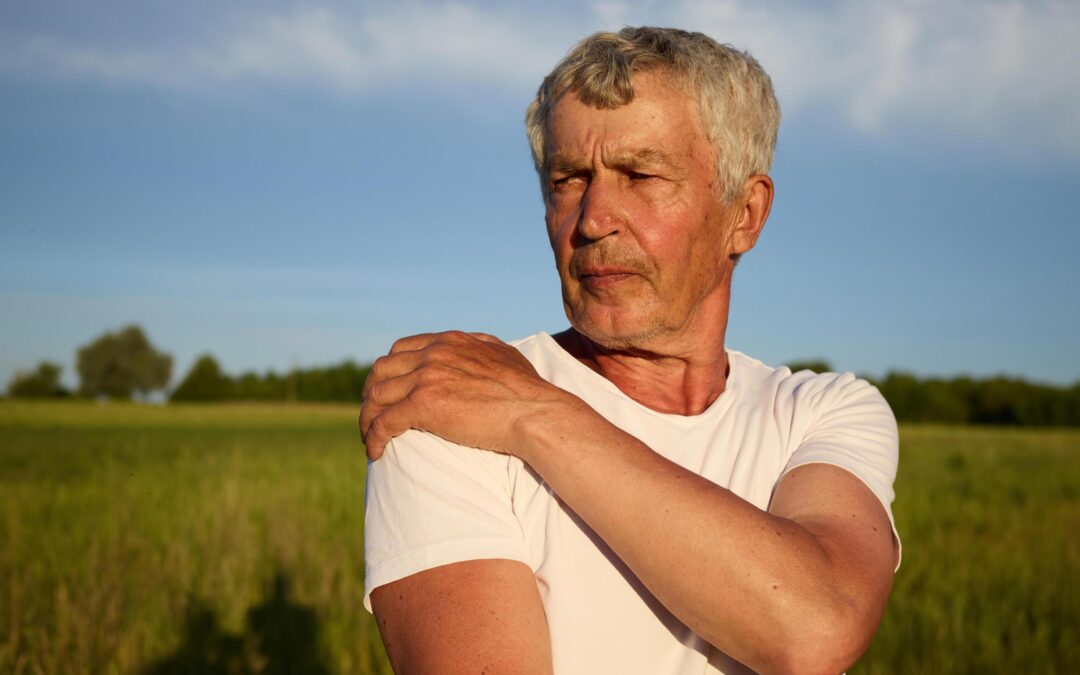
Most people with a sports injury want one thing. To get back as fast as possible. That is reasonable. But fast and safe are not always the same thing. The athletes and active adults who come back too early tend to re-injure themselves. Sometimes the same spot. Sometimes something adjacent was compensating for the original injury. Either way, they end up further back than if they had followed the right timeline the first time.
Safe recovery is not about being overly cautious. It is about loading tissue at the rate it can actually handle. Progressing through the right phases in the right order. Not skipping the steps that feel unnecessary because things are feeling better.
What Happens When Recovery Gets Rushed
The injury feels fine. Training resumes. Three weeks later, the same thing gives out. This is one of the most common patterns in sports injury recovery and it has a straightforward explanation. Pain is not a reliable measure of tissue readiness. A muscle strain can feel completely normal to move through while the fiber is still in the middle of repairing. A ligament can feel stable in daily walking, while it is nowhere near ready for cutting and pivoting. Rushing past the tissue healing timeline does not compress recovery. It restarts it.
What a Proper Sports Medicine Evaluation Covers
A sports medicine provider looks at how the injury happened, what the movement pattern looked like before and after, where strength has dropped off, and what compensation patterns have developed around the injured area. An ankle sprain that shifted weight to the opposite leg for three weeks has created hip and knee loading changes that need to be addressed before return to sport.
Patients come in with everything from acute ankle and knee injuries to overuse problems that built up over a season of weekend activity. Each one has a different starting point and a different return timeline. The evaluation defines both.
What Each Phase of Recovery Covers
Recovery from a sports injury follows a sequence. Each phase has a purpose. Early phase work focuses on:
- Reducing swelling and protecting the tissue from further damage
- Restoring the basic range of motion within safe limits
- Getting inhibited muscles firing again around the injury site
- Managing pain without masking the signals that guide safe progression
The middle phase shifts to strength and movement quality. Progressive loading through the injured area. Bilateral movements give way to single-leg or single-arm work. The body gets challenged in ways that simulate sport demands without fully replicating them yet.
Late phase work is about proving readiness. Strength testing. Movement analysis. Sport-specific drills that confirm the tissue can handle what is being asked of it before full return gets cleared.
Why the Final Phase Gets Skipped Most Often
The late phase of sports injury recovery is the one most likely to get cut short and it is the one that matters most for preventing re-injury. Returning to full sport without confirming the tissue is ready is where the cycle of recurring injuries starts.
A sports medicine provider who takes return-to-sport testing seriously is not being overly conservative. They are doing the part of the job that actually sticks.
Find The Best Care For Sports Injuries
Sports injuries managed well the first time tend not to become recurring problems. Those who get rushed often do.
Contact Modern Medicine of Tucson, AZ, to schedule a sports medicine evaluation and build a recovery plan that works for you.