Where Repetitive Movement Injuries Show Up Most Often
These injuries rarely start with a big moment. Most people say it began as a mild ache, then it turned into the one spot that always complains. We see it in desk jobs, trade work, parenting, and workouts. The areas below come up the most in our exam rooms:
- Shoulder and cuff: soreness with overhead work, presses, or reaching into cabinets
- Elbow: outer or inner elbow pain from gripping, tools, or racket sports
- Wrist and hand: irritation from keyboard and mouse use, tools, or repetitive lifting
- Neck and upper back: tightness from long sitting, looking down, or repeated reaching
- Low back: pain from bending, lifting, prolonged standing, or awkward carrying
- Hip: pinching or deep ache from repetitive walking, running, or limited hip motion
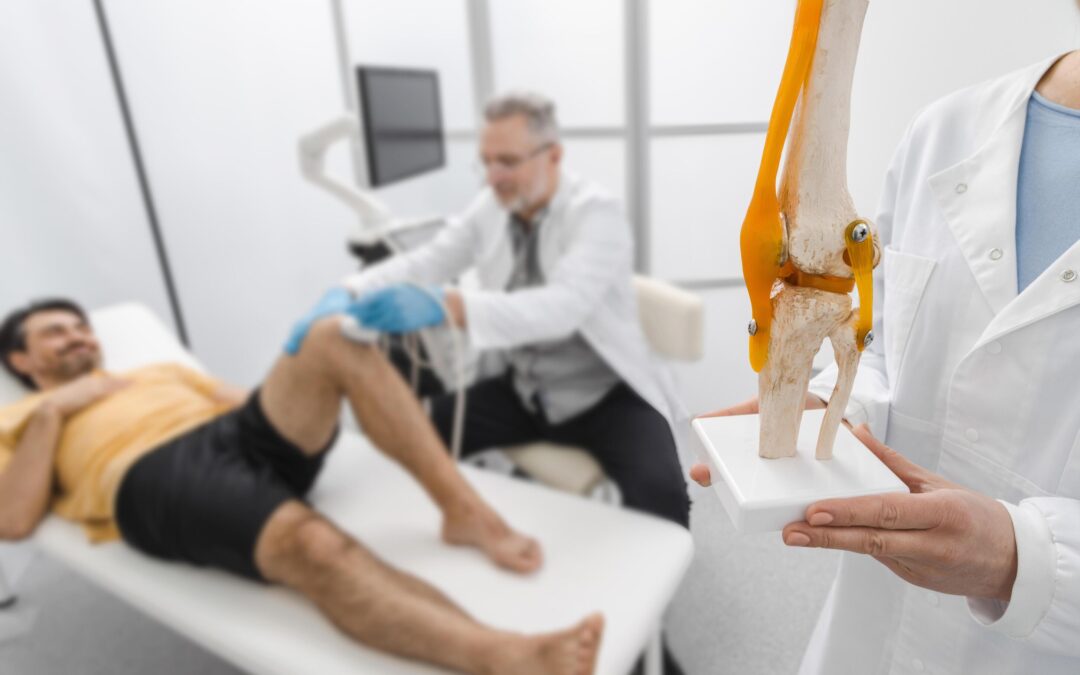
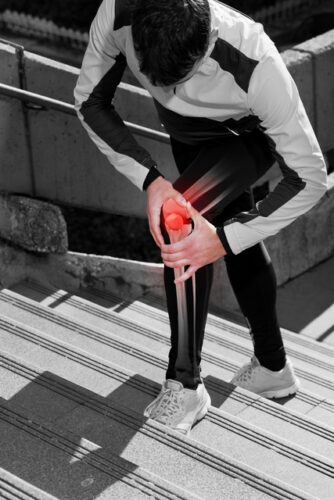
- Knee: pain with stairs, squats, running volume, or jumping
Why It Keeps Coming Back
Rest helps, but it often only hits pause. Then you go right back to the same movement, same volume, same setup, and the pain returns. That’s not a willpower issue. It’s a load issue. Tissues get irritated when they are under more stress than they can handle for too long. Add tight joints, weak stabilizers, or poor recovery, and the problem turns into a loop. We also see people “work around” pain by changing how they move, which can shift strain into a new spot.
What Sports Medicine Does Differently
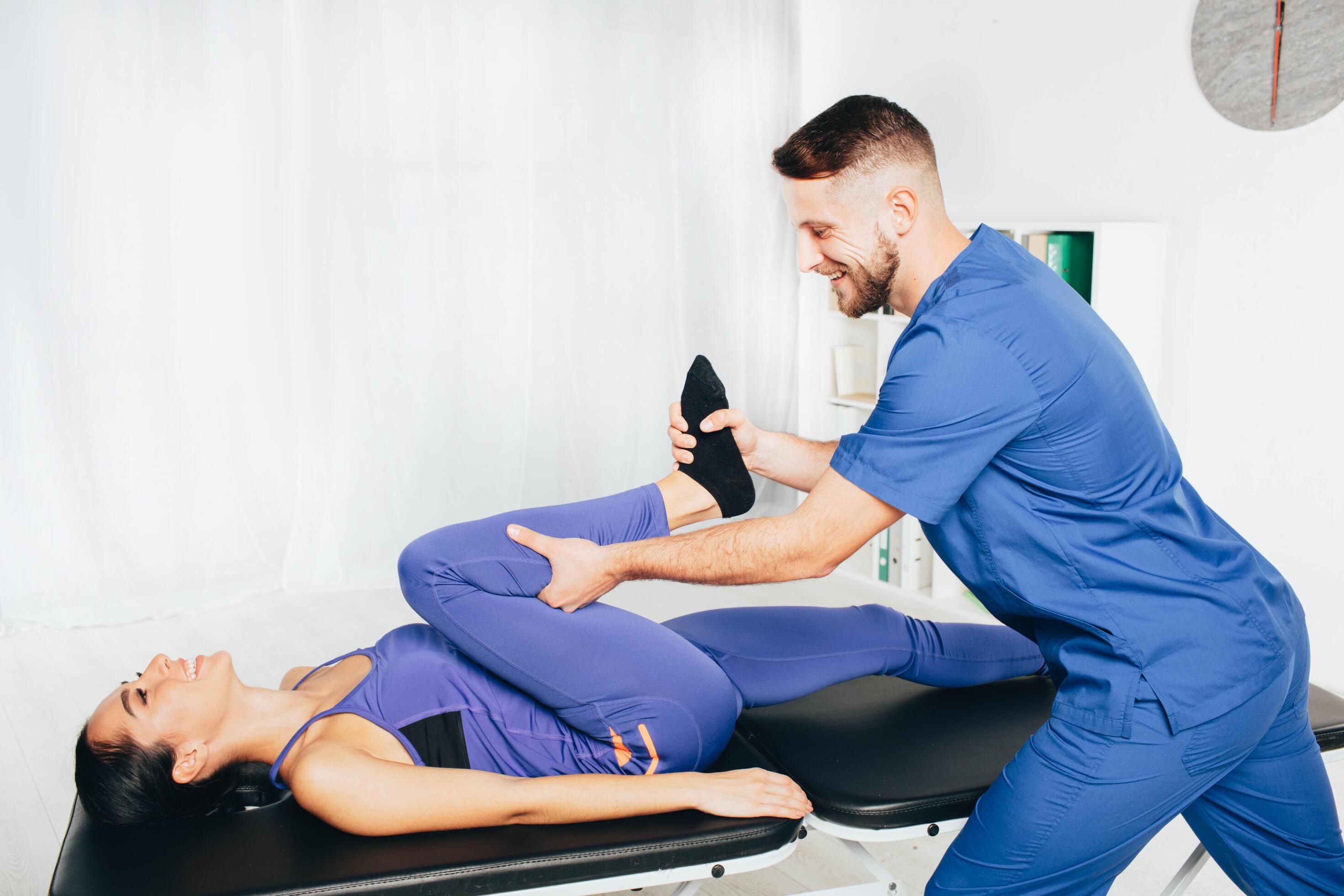
Sports medicine care is about finding the driver. We look at what movement causes the symptoms, what the joint is missing, and what is overworking. Sometimes the painful area is not the main cause. A stiff shoulder blade can lead to rotator cuff irritation. Weak hips can overload a knee. Poor grip mechanics can light up an elbow. Once we identify the pattern, we build a plan around the actual tasks you do, not a generic list of exercises.
Types Of PT That Help Repetitive Injuries
There isn’t one “best” method for every repetitive strain. The plan depends on your job, sport, and what we find during testing. Treatment often includes:
- Strength work for the muscles that protect the irritated area
- Mobility works when stiffness forces compensation
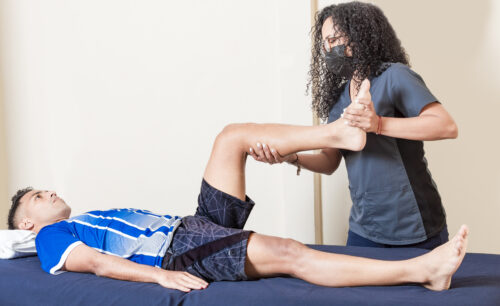
- Hands-on treatment to reduce guarding and improve motion
- Nerve-related work when symptoms include tingling or burning
- Technique coaching for lifting, running, throwing, or job tasks
- A step-by-step return plan so your workload builds without a setback
What Getting Better Usually Feels Like
Most people notice fewer spikes first. The pain stops flaring after every shift or workout. Then the “recovery time” shortens. Eventually, you can do more without thinking about it. The goal is not perfect rest. It’s steadier tolerance, better mechanics, and a plan that fits your life.
If pain keeps showing up with work or training, you don’t have to keep guessing. Schedule an evaluation with Modern Physical Therapy & Sports Medicine of Tucson, AZ, and get a plan aimed at the cause, not just the symptoms.