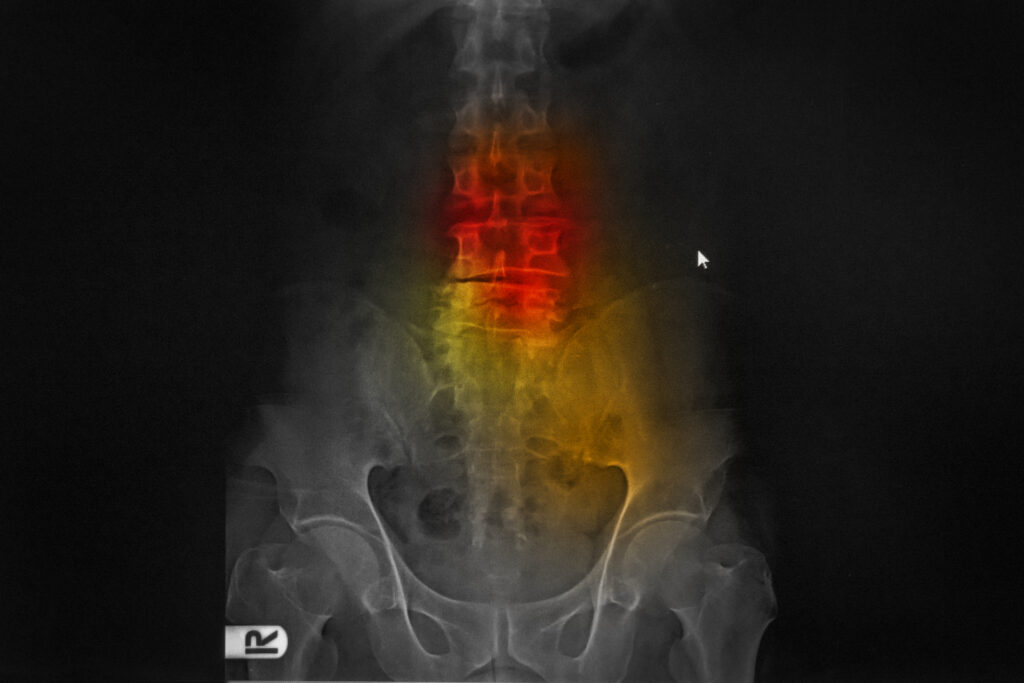
Degenerative disc disease sounds serious, and the name alone worries a lot of people. Most imagine their spine wearing out or pain that will keep getting worse. In reality, disc changes happen to almost everyone over time. Many people have them and never feel pain. Others feel pain that comes and goes without a clear trigger.
Spinal discs sit between the bones of the spine and act as cushions. Over time, they lose some flexibility and hydration. That process is normal. Degenerative disc disease is simply the label used when those changes are linked to stiffness, soreness, or flare-ups.
What People With Disc Changes Commonly Feel
Some people wake up stiff and loosen up as the day goes on. Others feel fine in the morning but stiff after sitting too long. Many notice pain that fades with movement, then returns with rest.
Common experiences include a dull ache in the lower back or neck, stiffness after sleep or sitting, and flare-ups that feel unpredictable. These patterns often lead people to move less because they do not trust their back anymore.
Why Rest Alone Often Makes Things Worse
When pain shows up, resting feels like the safest choice. Short rest can help calm a flare. Long periods of avoiding movement usually backfire.
When the spine stays still too long, joints stiffen, and muscles tighten. Support muscles weaken. The back becomes more sensitive, not more protected. The next time you move, the discomfort feels stronger.
Movement helps discs and joints stay nourished and helps muscles relax instead of bracing. The challenge is knowing how to move without aggravating symptoms. That is where physical therapy helps.
How Physical Therapy Approaches Disc-Related Pain
Physical therapy does not focus on the disc itself. It focuses on how your spine moves during daily life.
Care looks at how you sit, stand, walk, bend, and transition between positions. Gentle spinal movement helps reduce stiffness. Strengthening the muscles that support the spine helps take pressure off the discs. Small adjustments to daily habits often reduce repeated irritation.
Education plays a big role. Many people feel less pain once they understand that discomfort does not always mean damage. That shift alone can change how the body responds.
Why Strength And Control Matter More Than People Expect
When muscles around the spine fatigue easily, the back feels vulnerable. When those muscles are stronger and coordinated, movement feels steadier. Physical therapy builds strength gradually and focuses on control rather than pushing limits. This helps people tolerate sitting, walking, and daily tasks with fewer flare-ups. The goal is not to eliminate every sensation. The goal is to make movement feel predictable again.
What Improvement Usually Looks Like
Progress with degenerative disc disease is rarely dramatic. People notice fewer bad mornings. Stiffness fades faster. Sitting feels less uncomfortable. Flare-ups feel shorter and easier to manage. Over time, the back stops being the main thing on your mind during the day.
Living Well with Help from Modern Physical Therapy & Sports Medicine of Tucson, AZ
Degenerative disc disease does not mean you are broken or stuck. For many people, the right guidance helps restore confidence and comfort with movement. Physical therapy offers a practical way to support your spine and stay active without fear.