Joint pain often feels better before the body is fully ready for normal demands. A few easier days may tempt someone to return to long walks, lifting, yardwork, sports, or long shifts too quickly. Then the pain comes back, and the person wonders whether treatment failed. For people near South Tucson, a structured orthopedic rehabilitation plan may help turn short-term relief into steadier progress.
Modern Physical Therapy & Sports Medicine of Tucson, AZ combines physical therapy with non-surgical orthopedic care. We listen to how pain affects your routine, assess movement, and build a plan around your condition, goals, and current ability. Instead of focusing only on the painful joint, we also look at strength, balance, mobility, posture, and the way nearby areas share the workload.
Why Joint Pain Often Returns
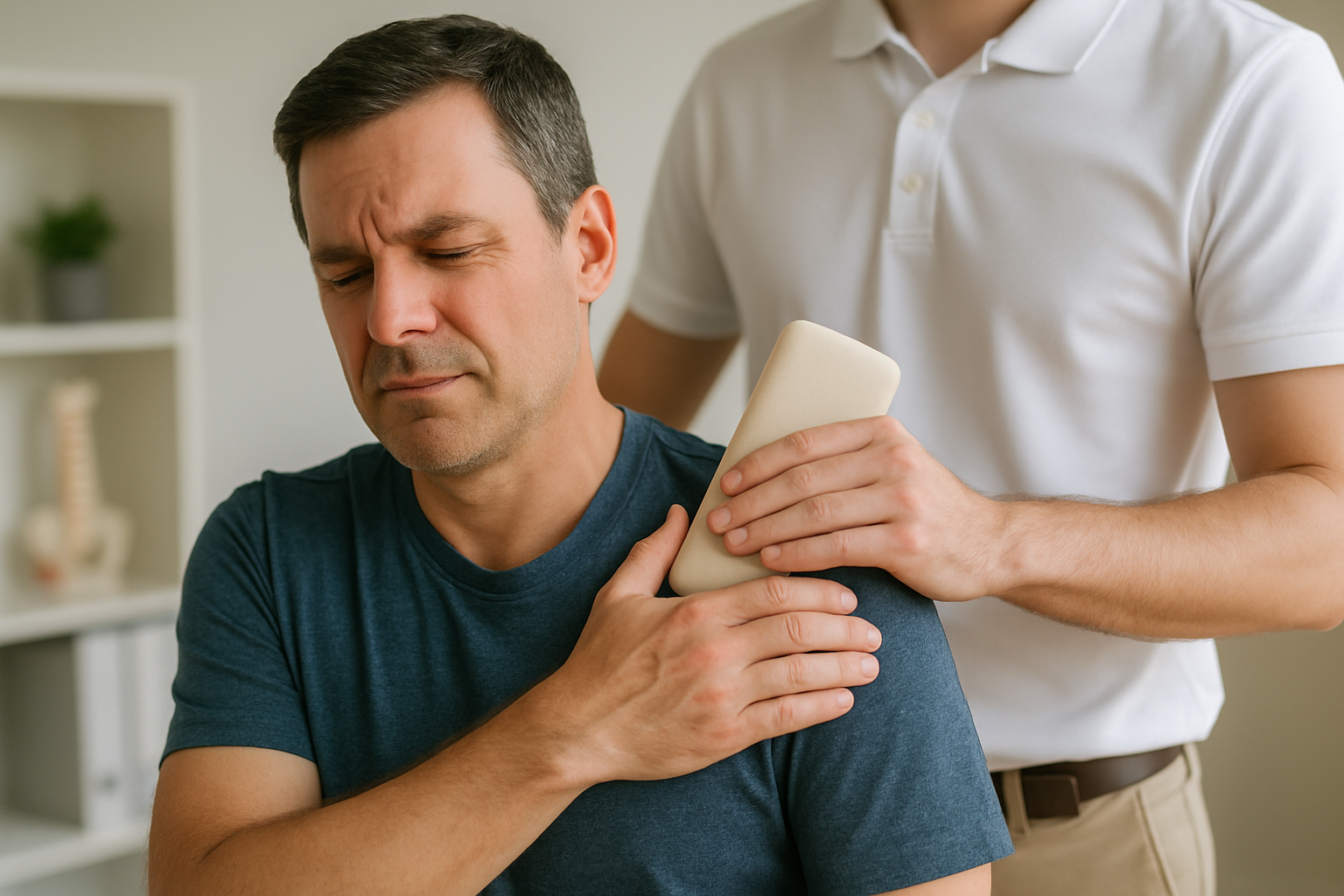
Pain may settle while weakness, stiffness, or poor movement habits remain. A sore knee may cause someone to shift weight onto the other leg. A painful shoulder may lead to less reaching and gradual loss of motion. Hip or back discomfort may shorten a person’s stride without them noticing.
Those adjustments help in the moment, but they may create new strain over time. Long-term joint health requires more than waiting for symptoms to fade. The body needs enough strength and control to handle work, exercise, household tasks, and recreation without repeatedly overloading the same tissues.
A Rehab Plan Starts With Evaluation
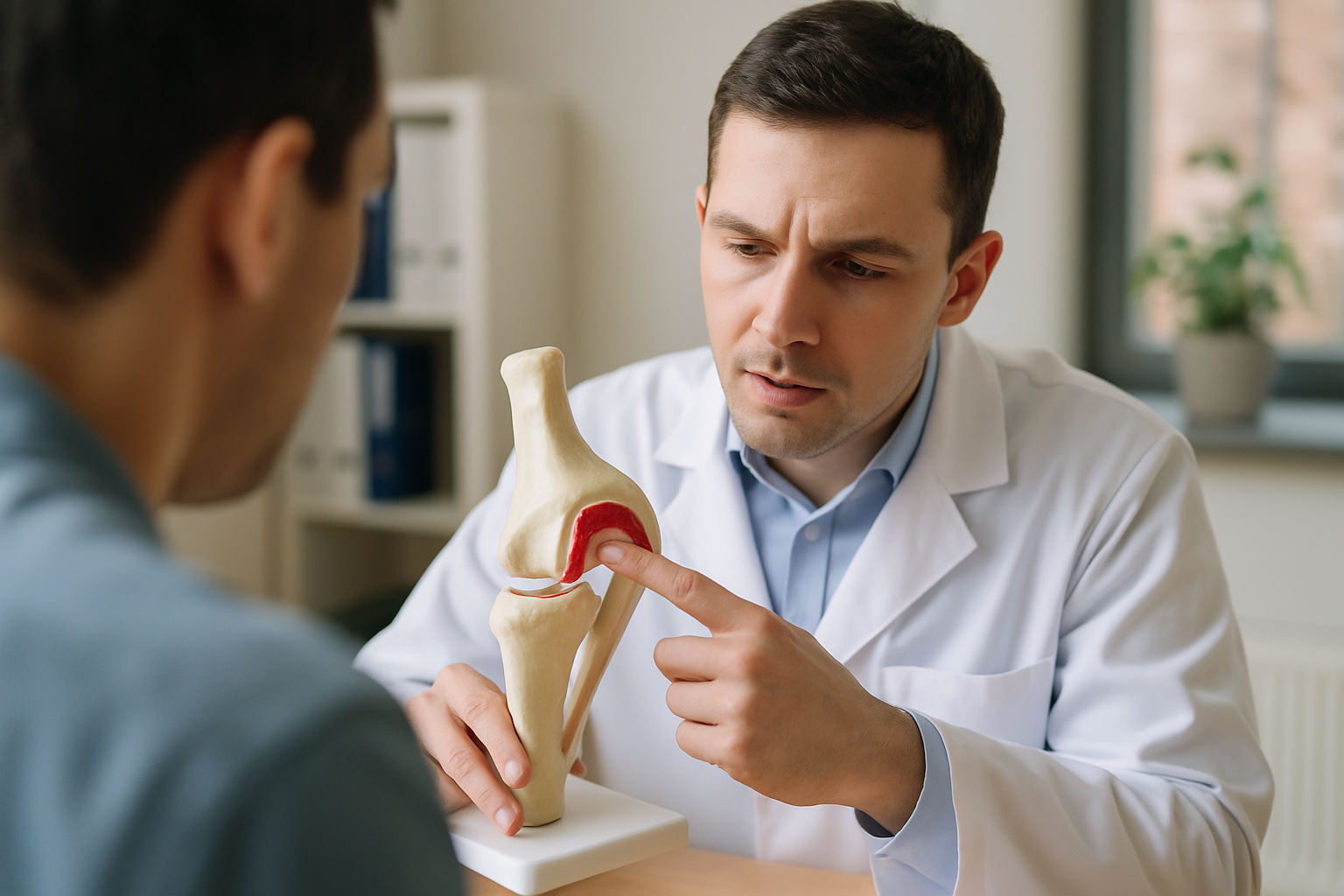
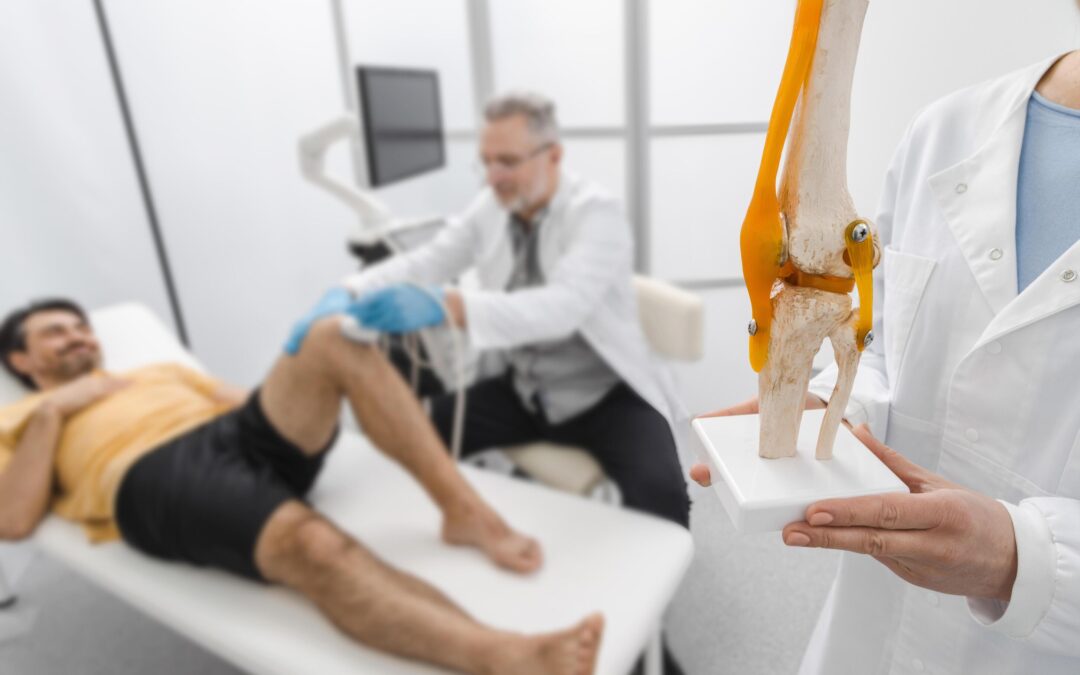
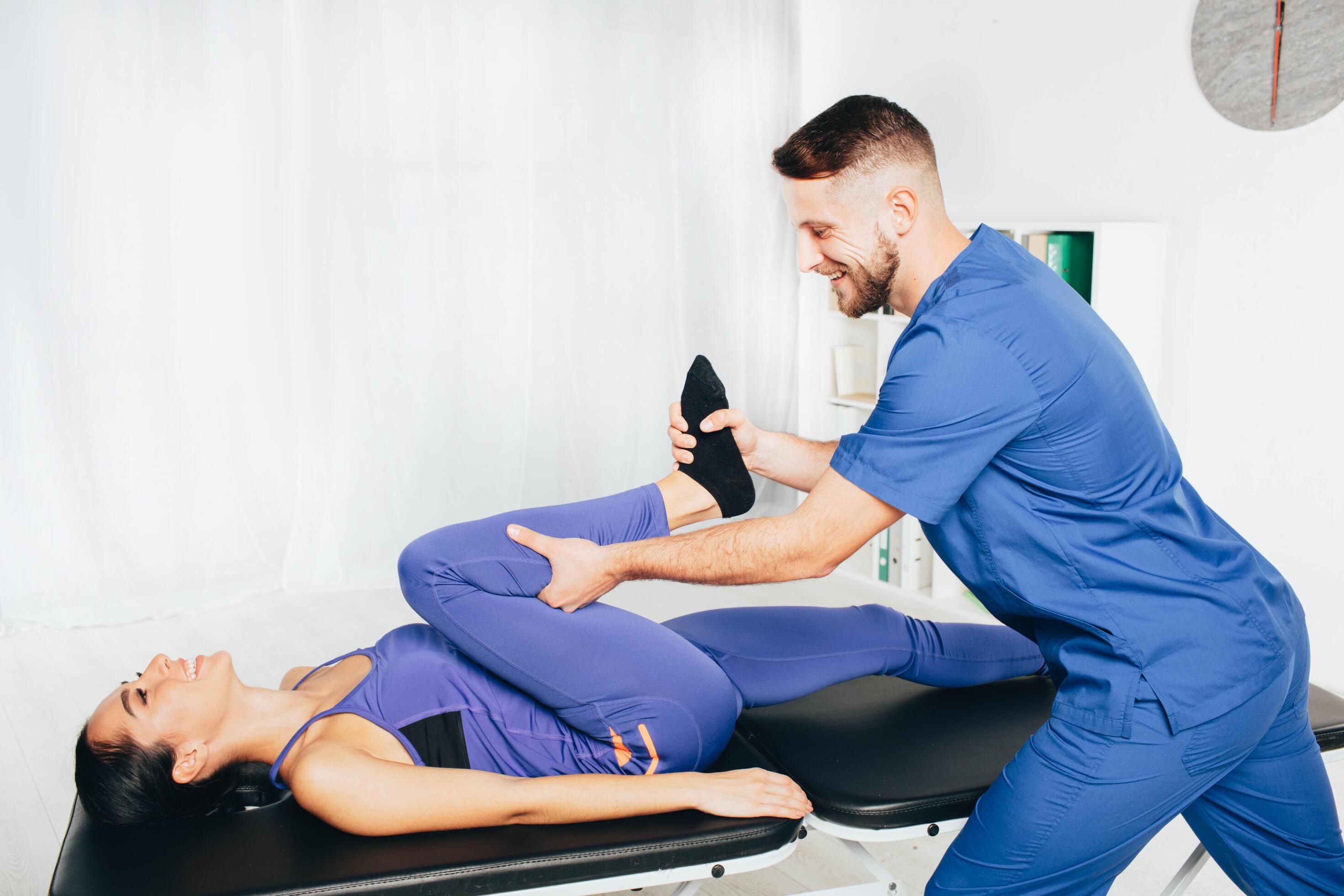
We begin by reviewing when symptoms started, what makes them worse, and which activities matter most to you. The examination may include range of motion, strength, walking, balance, joint stability, and movement patterns tied to your pain.
Imaging may be considered when the examination leaves questions or when the findings may change treatment. This helps us choose care based on what your body needs rather than using the same routine for every patient.
Building Strength Without Overdoing It
Orthopedic rehabilitation often includes mobility work, strengthening, balance training, and gradual conditioning. Range-of-motion exercises may help reduce stiffness. Strengthening the muscles around a joint may improve support and reduce stress during movement. Low-impact conditioning may also help build endurance without placing too much load on an irritated area.
Progress should feel challenging but manageable. We adjust exercises as your symptoms and ability change. Some patients need a slower start. Others are ready for more demanding work, lifting, or sport-specific movement. The plan grows with the patient instead of forcing the patient into a preset timeline.
When Non-Surgical Treatment Supports Rehab
Pain may sometimes make therapy difficult. In those cases, a non-surgical orthopedic provider may discuss medication, targeted injections, or another treatment option based on the diagnosis. These approaches may reduce irritation and create a better opportunity to move, strengthen, and participate in rehabilitation.
Relief alone is not the finish line. We use the calmer period to address the weakness, stiffness, or movement problem contributing to repeated flare-ups.
Protecting Progress After Formal Therapy
Long-term joint health depends on what happens after regular visits end. We help patients understand which exercises to continue, how to increase activity, and what warning signs deserve attention. A realistic maintenance plan may include a few focused exercises, regular walking or low-impact activity, and small adjustments during demanding weeks.
Schedule an Orthopedic Evaluation Near South Tucson
If joint pain keeps returning or limits daily life, a coordinated rehab plan may help. We will evaluate your movement, explain your options, and build a practical path toward better strength and function.
Call Modern Physical Therapy & Sports Medicine of Tucson, AZ to schedule a consultation.
Phone: (480) 306-6627
Email: scheduling@getmodernmedicine.com
Address: 6606 E Carondelet Dr, Tucson, AZ 85710