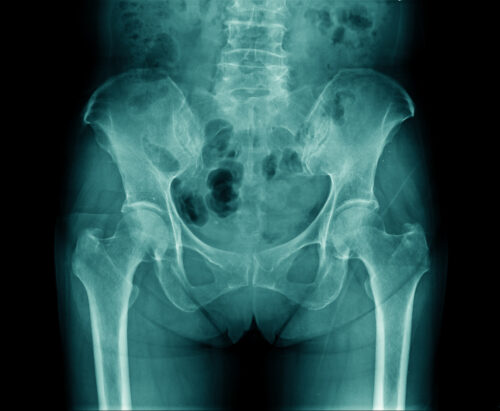
Chronic pelvic pain is one of the hardest problems to explain to friends or even to your doctor in a short appointment. It can feel like pressure, burning, aching, tugging, or a deep soreness that sits low in the pelvis. Some people feel it most when they sit. Others feel it after they stand too long or walk farther than usual. It can flare around bowel movements. It can show up after sex. It can also show up on a “normal” day for no obvious reason, which is exactly why it wears people down.
How Pelvic Pain Is Triggered
We see chronic pelvic pain show up after all kinds of situations. Sometimes there’s a clear starting point like an infection, surgery, childbirth, or a painful pelvic exam. Other times it starts during a stretch of high stress, poor sleep, or long days sitting at work. Once the area gets sensitive, smaller triggers can keep it going. Here are a few that come up often:
- Constipation, straining, or holding bowel movements
- Sitting for long stretches, especially driving
- Guarding after a pain flare, then staying tense all day
- Heavy lifting while holding the breath
- Hip stiffness or low back issues that change how you move
- Anxiety and stress that increase muscle tension
What The Pelvic Floor Is Doing InThe Background
A lot of people assume pelvic pain means the pelvic floor is weak. Many times it’s the opposite. The pelvic floor can stay tight, protective, and “switched on” even when you’re resting. That constant tension can irritate nerves and make tissue feel sore, almost like it’s been clenched for hours, because it has. On top of that, tight muscles do not coordinate well.
Types Of Pelvic Floor PT That Can Help
Pelvic floor PT is not a single technique. It’s a set of tools we choose based on what your body is doing and what triggers your symptoms. In chronic pelvic pain, we often focus on calming the system first, then adding strength and tolerance as your body allows. Common approaches include:
- Down-training to teach the pelvic floor to relax again
- Breathing and ribcage work to reduce pressure and bracing
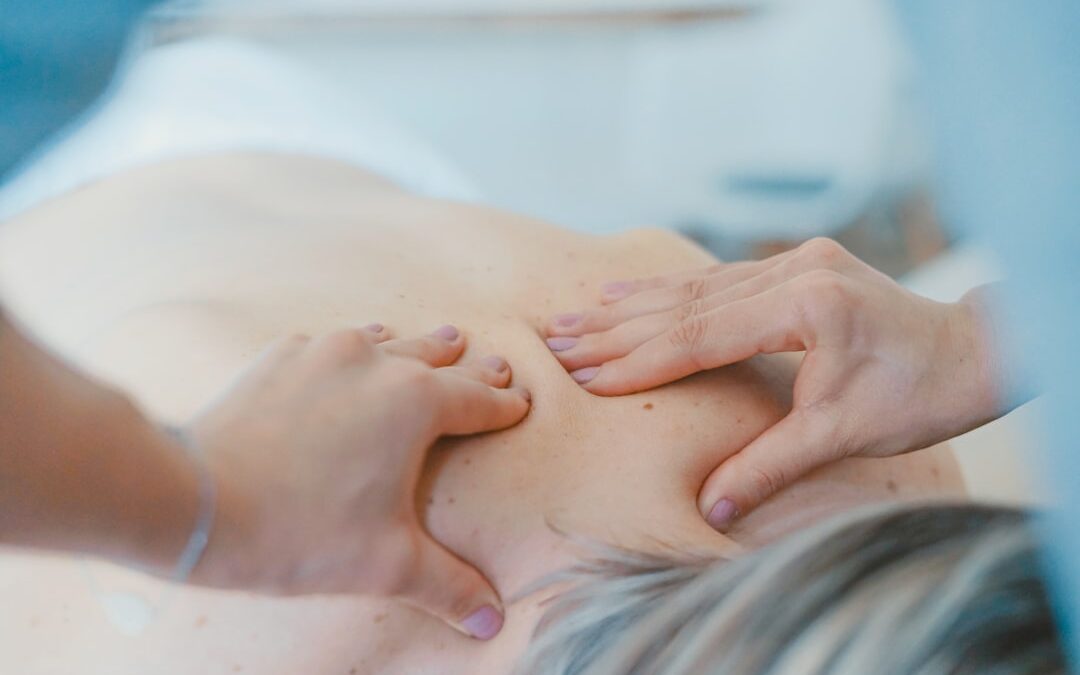
- Manual therapy for sensitive pelvic, hip, and low back tissue
- Mobility work for the hips and low back when stiffness feeds pain
- Gentle strengthening for core and hips so the pelvis feels supported
- Pacing guidance so you stop the “good day, then crash” cycle
What Steps Forward Feel Like
Most people do not wake up one morning and feel “fixed.” Progress is usually quieter. Sitting feels a little easier. A flare-up does not last as long. Sleep improves because your body is not clenching all night. Over time, you start trusting movement again, and that is when things really shift.
Schedule Pelvic Floor PT Today In South Tucson
If pelvic pain has been sticking around and you can’t tie it to a recent injury, pelvic floor PT may be a good next step. Set up an evaluation with Modern Physical Therapy & Sports Medicine of South Tucson, AZ, to get a plan built around your triggers and your daily life.