What is This Type Of Therapy Is Best For?
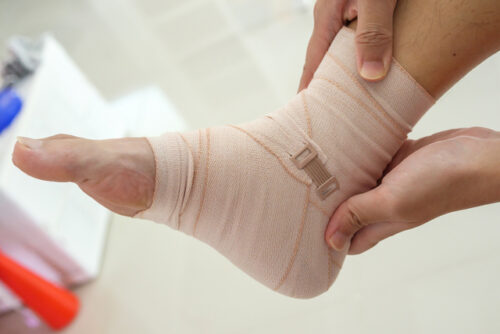
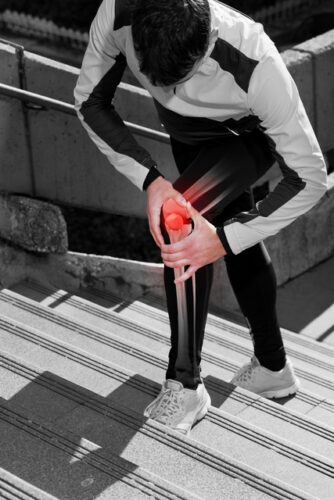
Strength and stability PT is a fit when you do not trust your body the way you used to. Maybe your knee feels shaky when you go down stairs. Maybe your ankle feels like it can roll on a cracked sidewalk. Maybe your back gets irritated after you stand in line or cook dinner. This care also helps after surgery, after time off from exercise, or after you have had the same sprain or strain more than once. It is also common for people who feel off balance when they turn quickly or step down from a curb.
How Weakness And Instability Show Up In Daily Life
Instability can be quiet. You start doing little things to protect yourself. You grab the rail even on familiar stairs. You carry smaller loads, so you do not feel a pull. You take wider turns in parking lots. You tighten your stomach before you lift a grocery bag. Those habits can get you through the day, but they can also keep the right muscles from working. A strength and stability plan helps you move with more control, so you do not feel like you have to brace for every step.
What Physical Therapists Look For First
A PT visit starts with movement, not just the painful spot. Your therapist checks joint motion, strength, and balance. They may watch you do a step down or stand on one leg to see what happens when the leg has to control your body weight. They also look at the supporting areas that often decide stability, like hip strength for knee position and ankle motion for safer stairs.
Common Exercises Used In Strength And Stability PT
Exercises should feel connected to real tasks, and they should build in steps. Your therapist adjusts the range and load so you get stronger without setting off a flare.
- Bridges and hip hinges: Build glute strength for back and knee support
- Step-ups and step-downs: Train stair control and safer knee loading
- Single-leg balance work: Improves ankle and hip stability for uneven ground
- Side steps with resistance: Builds hip control to reduce knee cave in
- Calf raises: Supports ankle and Achilles strength for walking and stairs
- Core bracing drills: Trains trunk support for lifting and longer standing
How Long It Can Take To See Results
Many people notice early changes within two to three weeks. Stairs feel less shaky. Errands feel less draining. The bigger strength changes take longer because your body needs repeated loads to adapt. Many people notice a clearer shift around weeks four to eight when they follow the home plan and keep progressing the exercises. The timeline depends on how long the problem has been there and how consistent you can be with the plan.
Call Modern Physical Therapy & Sports Medicine of Tucson, AZ, or fill out the online form to request an appointment. We will help you rebuild strength, improve stability, and feel more confident moving again.