Parkinson's does something subtle to movement. It doesn't announce changes, it shrinks them. Steps get shorter. Arm swing diminishes. Handwriting gets smaller. Turning takes more steps than it used to.
And the person doing it usually doesn't notice, because the change happens gradually and their internal sense of "normal" recalibrates right along with it.
Why That Matters For Treatment
This is the insight that shapes the whole approach. If your brain's sense of how big a movement should be has shrunk, then feeling like you're taking a normal step means you're actually taking a small one.
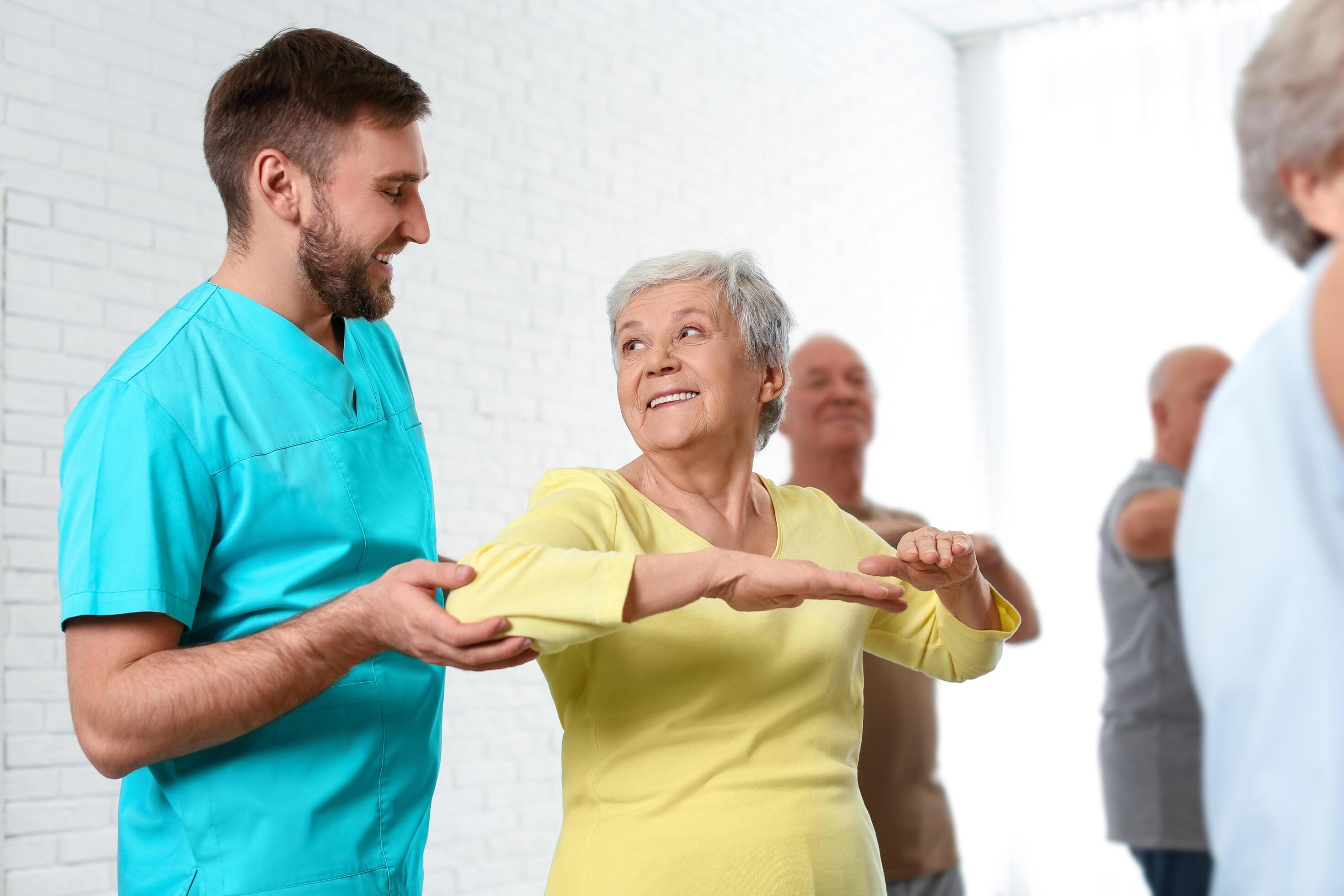
So therapy trains deliberately large movement. Bigger steps, bigger arm swings, exaggerated reaching. What feels excessive to the person is often just normal-sized, and repeated practice recalibrates that internal sense.
What Gets Addressed
- Gait training for longer stride and steadier walking
- Balance work, since fall risk rises meaningfully
- Strength and flexibility against the stiffness
- Strategies for freezing, when the feet feel stuck
- Practice with specific daily tasks that have gotten harder
The Freezing Problem
Worth explaining on its own because it's so disruptive. Freezing is when the feet feel glued to the floor despite every intention to move. It tends to strike in doorways, while turning, in tight spaces, or when someone's in a hurry.
It's frightening and it's a real fall risk, since the upper body often keeps going when the feet don't. Therapy teaches specific ways through it, shifting weight side to side, stepping over an imaginary line, or using a rhythm to restart the pattern.
The Cueing Tool
One of the more useful things therapy teaches is external cueing. Because the automatic movement system is affected, giving the brain an outside signal to work with helps considerably.
Counting a rhythm. Stepping over a line on the floor. Walking to a beat. These can break a freeze in a doorway or smooth out a stride, and they're learnable for use at home every day.
Bringing Family In
Care works better when the household understands the approach. A spouse who knows the cueing techniques can help during a freeze rather than pulling on an arm, which tends to worsen it. They can also spot home hazards and support the daily practice.
Starting Earlier Beats Waiting
There's a temptation to wait until mobility clearly declines. Earlier is better. Building strength, balance, and movement habits while you're still moving well gives you more to draw on as things change, and keeps you doing what you care about longer.
Noticing movement changes in yourself or a family member? Modern Physical Therapy & Sports Medicine of Tucson, AZ can build a program. Call or book through the online form.