Pain on the outside of the elbow can turn simple movements into daily annoyances. Lifting a coffee mug, opening a jar, carrying groceries, using tools, typing, or gripping a steering wheel may start to hurt. For people near South Tucson, repetitive strain from work, hobbies, sports, or home projects may lead to tennis elbow even if they have never picked up a racket.
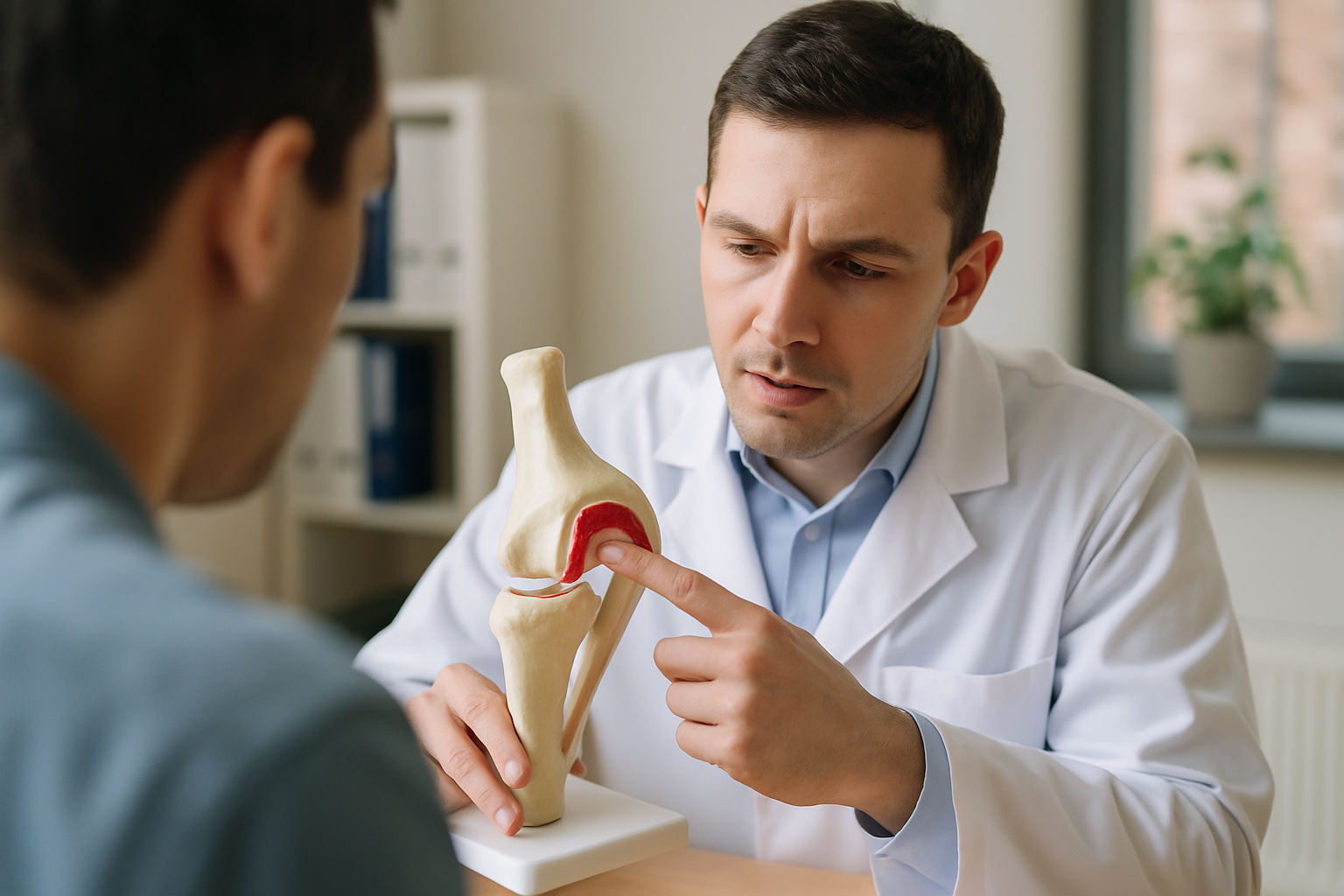
Modern Medicine of South East Tucson, AZ combines physical therapy with non-surgical orthopedic care. We evaluate how your elbow, wrist, forearm, shoulder, and daily movement patterns work together. From there, we build a treatment plan aimed at reducing pain, restoring strength, and helping you return to normal activity without rushing the process.
Why Tennis Elbow Develops
Tennis elbow, also called lateral epicondylitis, involves irritation where forearm tendons attach near the outside of the elbow. Repeated gripping, lifting, twisting, or wrist movement may place more demand on the tissue than it can recover from.
The condition may affect construction workers, mechanics, cooks, landscapers, office workers, musicians, and people who spend weekends gardening or completing repairs. Symptoms often include tenderness outside the elbow, forearm aching, reduced grip strength, and pain when lifting an object with the palm facing down.
A Thorough Evaluation Guides Care
Not every case of arm pain comes from tennis elbow. Nerve irritation, arthritis, neck problems, tendon injuries, or other elbow conditions may create similar symptoms. We begin by reviewing when the pain started, which movements provoke it, and how it affects work, sleep, exercise, and household tasks.
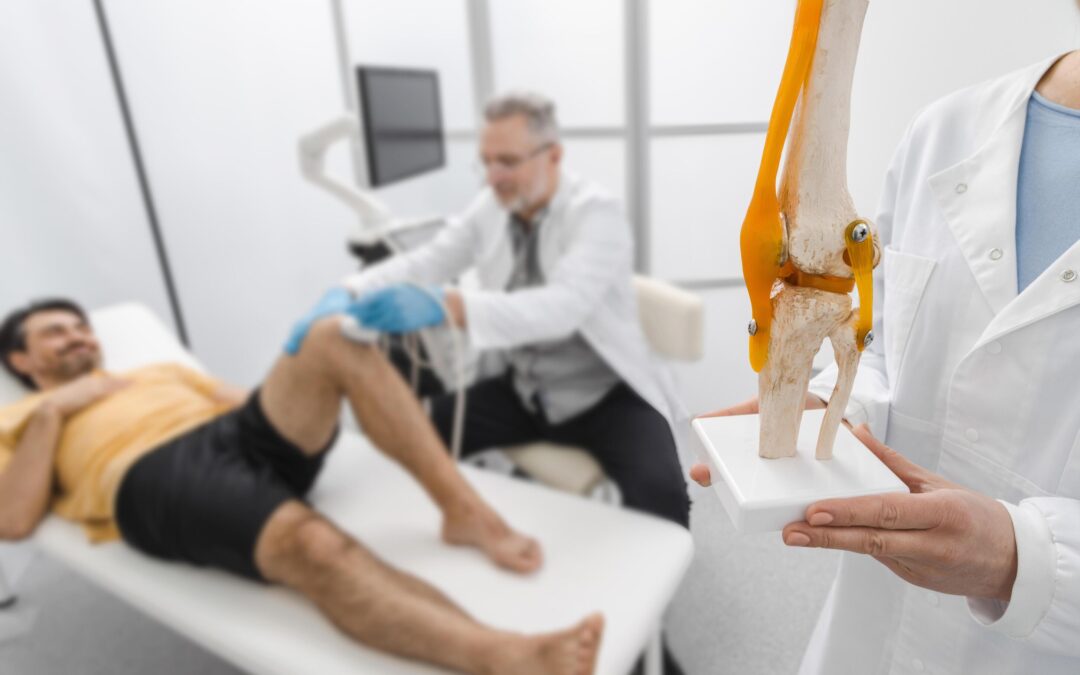
The examination may include grip strength, wrist and elbow motion, resisted movements, posture, and shoulder mechanics. Imaging may be considered when symptoms are unusual, an injury was involved, or the findings may change the treatment plan.
Physical Therapy for Strength and Recovery
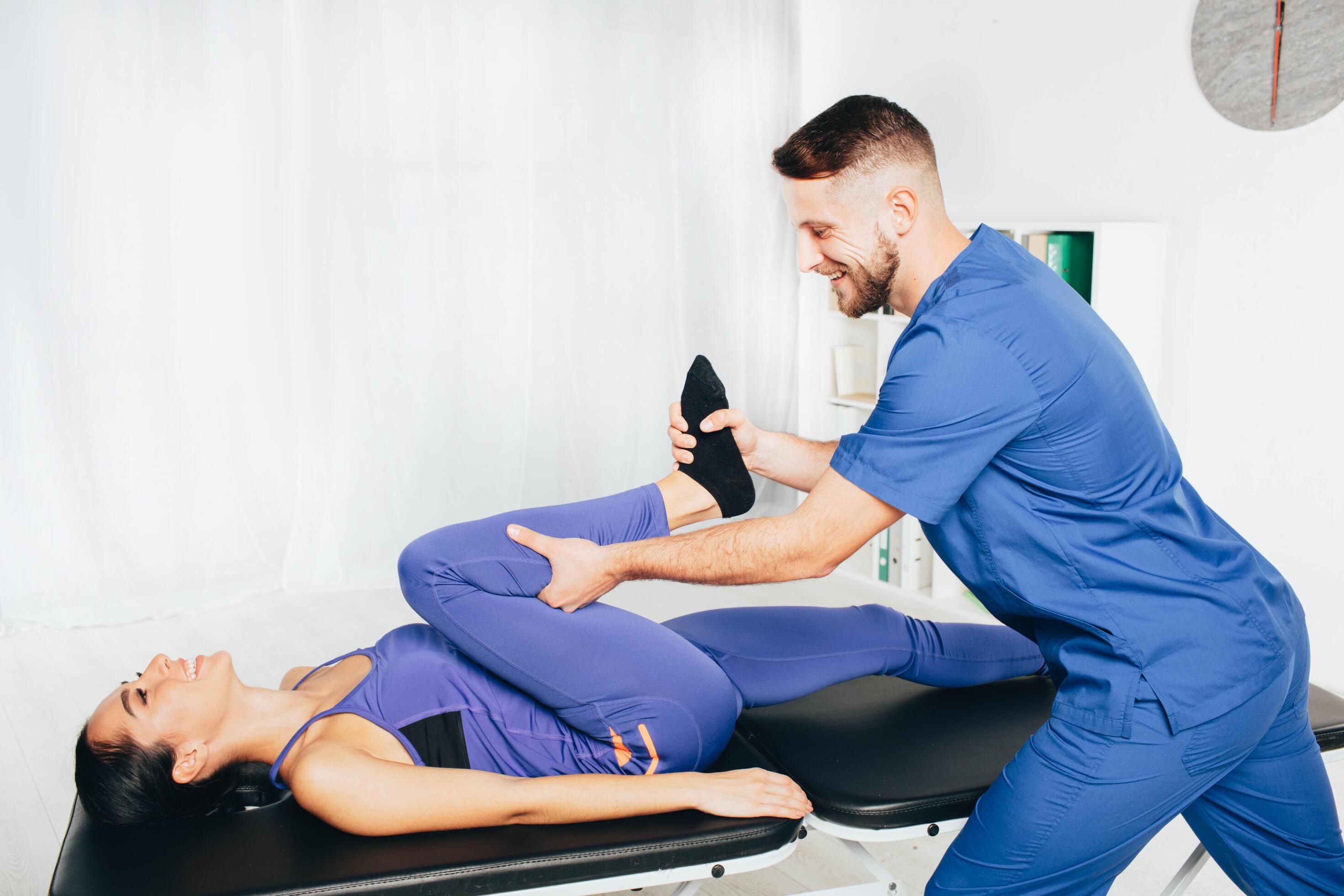
Physical therapy often plays a central role in recovery. Early treatment may focus on reducing irritation and modifying movements responsible for repeated strain. As symptoms settle, we may introduce stretching and strengthening for the wrist, forearm, shoulder, and upper back.
Tendon recovery usually requires gradual loading. Complete rest may calm pain temporarily, but the arm also needs enough strength to handle future demands. We guide the process so exercises challenge the tissue without repeatedly causing a major flare.
Work and Activity Adjustments
Small changes may reduce daily strain. A worker may need a different grip, lighter tool, adjusted keyboard position, or shorter periods of repetitive activity. Someone returning to sports may need help with technique, equipment, warmups, or training volume.
A counterforce brace or wrist support may also be considered for selected patients. These tools may reduce stress during certain tasks, but they work best as part of a broader plan rather than as the only treatment.
When Additional Treatment May Help
If pain remains difficult to manage, a non-surgical orthopedic provider may discuss medication or targeted injection options based on the diagnosis. These treatments may improve comfort enough to support therapy and daily movement, but they do not replace rehabilitation.
Surgery is rarely the first step. It may be discussed when symptoms continue after an extended period of well-directed conservative care or when another condition needs attention.
Schedule an Elbow Evaluation Near South Tucson
If elbow or forearm pain keeps interfering with work, exercise, or everyday tasks, we will help identify the likely source and build a practical recovery plan.