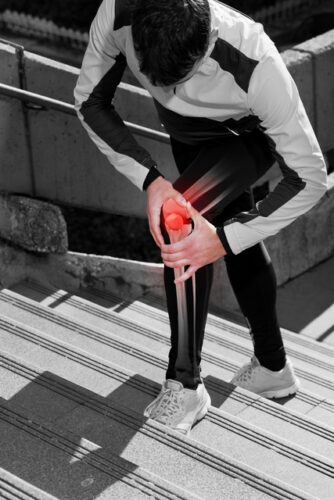
Gait is the pattern you use when you walk. Most people never think about it because it feels automatic. You take a step and keep moving. But when something hurts, the body changes that pattern fast. You limp a little. You shorten your stride. You lean. You protect the painful area without realizing it. What starts as a quick adjustment turns into a habit if it stays long enough.
What Gait Looks Like When It’s Off
You can feel it even if you can’t spot it. Maybe your steps feel uneven. Maybe you sense yourself drifting to one side. Sometimes one shoe wears out faster, and you don’t know why. You might feel pressure in the knee on one side or tightness in the hip on the other. Walking feels normal until it doesn’t.
Signs your gait might be off:
- Short or uneven steps
- A limp that shows up after long days
- One foot slapping the ground
- A hip that drops on one side
- Stiffness that appears only during walking
How Injuries Change Gait
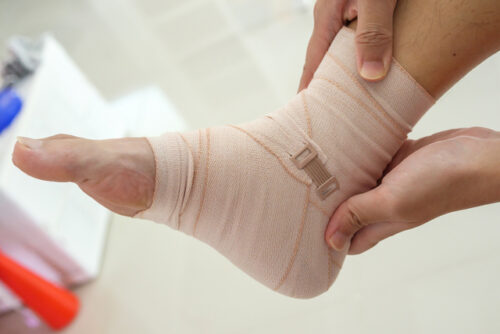
Any injury can shift how you walk. An ankle sprain makes you avoid putting weight on that side. Knee pain makes you stiffen up. A sore hip changes how you swing your leg. Even back pain can make you take tiny steps without meaning to. These changes protect the injured spot in the moment, but they overload other joints when the pattern sticks around.
Injuries that often affect gait:
- Ankle sprains and foot pain
- Knee swelling or irritation
- Hip weakness or tightness
- Low-back strains
- Post-surgical healing
Why Gait Matters More Than You Think
You take thousands of steps every day. If the pattern is off, the repetition adds up. A knee might twist more than it should. A hip might collapse inward. An ankle might stop moving completely. The tension spreads, and soon the original injury isn’t the only problem. Fixing your gait early helps you avoid that cascade.
How Gait is Measured
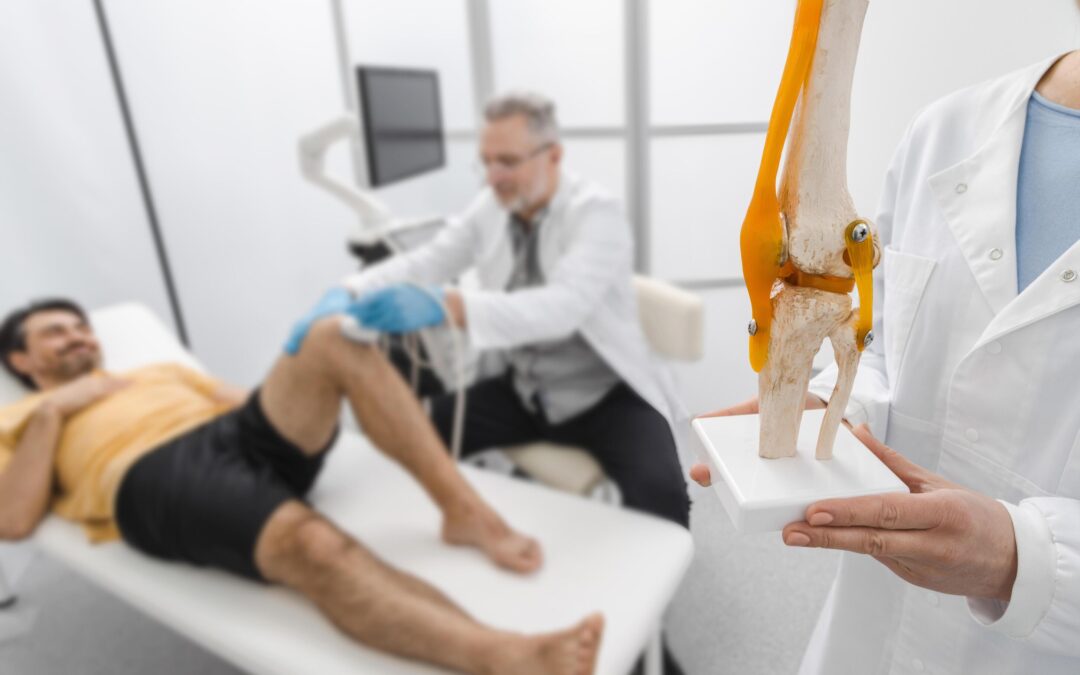
A physical therapist studies your walking from different angles. They watch how the foot hits the ground. How the knee lines up. How the hips hold you up. They check your stride length, your balance, and how steady you feel during each phase of the step. The goal is to find the small things you don’t notice, but your joints definitely do.
How Therapy Helps Improve Gait
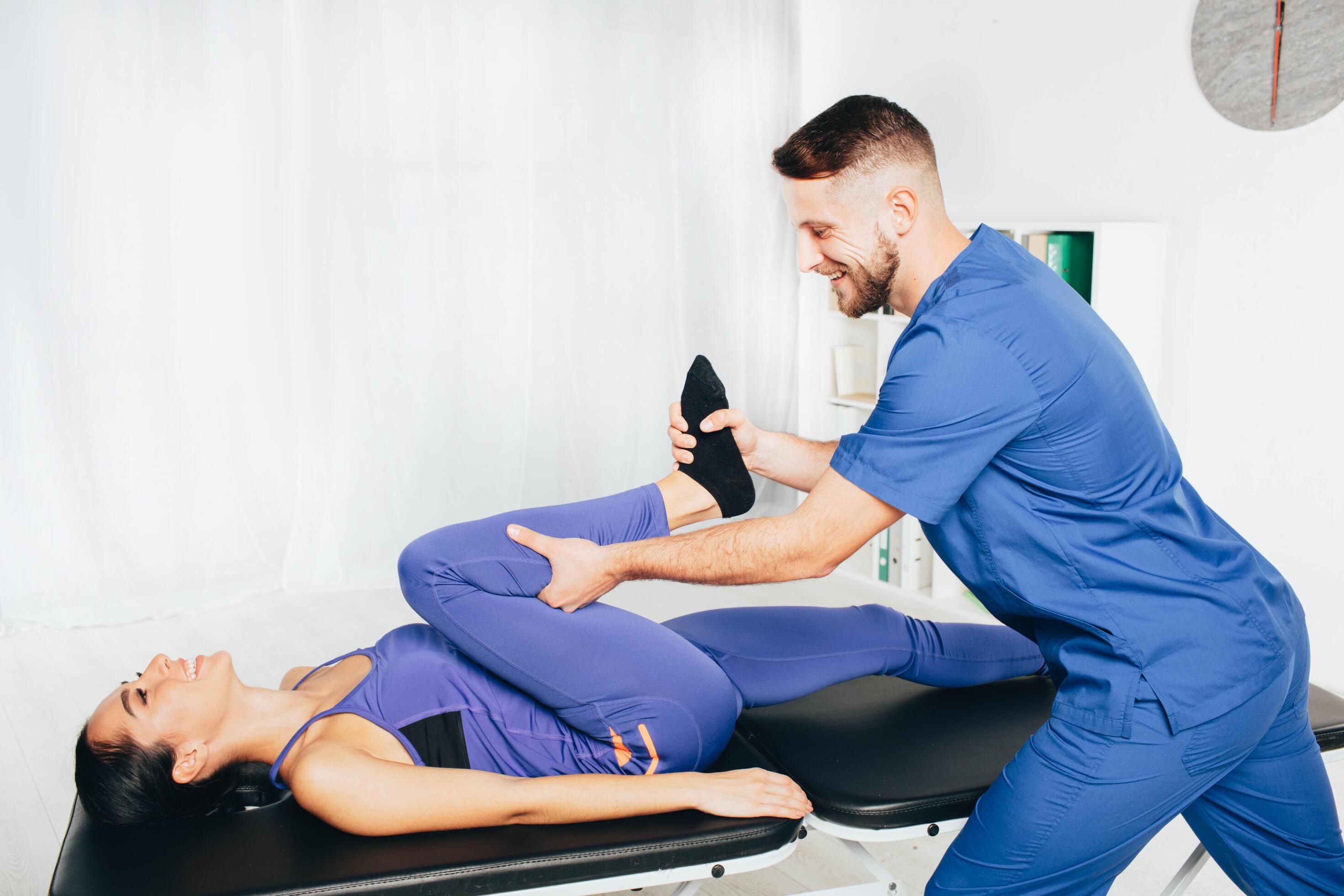
PT breaks down the pattern into pieces and deals with each one. Tight ankle? They loosen it. Weak hip? They strengthen it. Off-center stride? They retrain it. They teach you how to shift weight smoothly so you stop bracing with every step. The focus is on simple movement that feels safe and natural.
PT often uses:
- Ankle and foot mobility work
- Strengthening for the hips and core
- Balance and weight-shifting drills
- Walking practice at slow and fast speeds
- Posture changes that make walking easier
Let Us Help You Walk Comfortably Again
If walking feels off or an injury has changed your stride, reach out to Modern Medicine Physical Therapy & Sports Medicine of Tucson, AZ. Schedule your visit and get a gait plan that helps you move with comfort and confidence.