How Hip Pain Starts
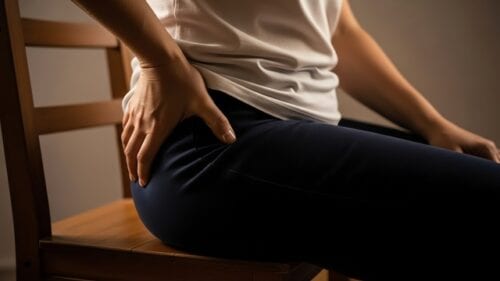
The beginning of hip pain is different for everyone. Sometimes it starts after a fall, a hard workout, or a long day on your feet. Other times, it builds slowly. You may notice stiffness when you stand up from the couch. You may feel pain getting out of the car. A walk that used to feel easy starts making the side of the hip ache by the end.
Many people try to work around it. They take shorter steps. They avoid stairs when they can. They stop bending, squatting, or sleeping on one side. At first, those changes seem small. After a while, the pain starts shaping the day.
At Modern Medicine of Tucson, AZ, we see that often. Patients come in because the hip is no longer just sore once in a while. It is limiting movement, cutting into exercise, and making basic tasks harder than they should be.
What Hip Pain Can Feel Like
While it varies from person to person, common issues include:
- Pain when walking
- Stiffness after sitting
- Soreness with stairs
- Trouble getting shoes on
- Pain rolling in bed
- Weakness when standing on one leg
Some hips feel tight. Some feel sharp with certain movements. Some just feel unreliable. When that keeps happening, it is worth getting checked instead of guessing.
Why Joint Function Starts To Change
The hip does a lot of work. It helps support body weight, absorb force, and keep the leg moving well with each step. When the joint is irritated, the body starts adjusting.
That may mean limping a little. It may mean turning the foot out to avoid pain. It may mean relying more on the other leg. Those changes can lead to more strain in the back, knee, or opposite hip.
Pain can come from arthritis, overuse, tendon irritation, muscle weakness, labial problems, or old injuries that never settled down fully. In some cases, more than one issue is present at the same time.
How We Evaluate Hip Pain
At Modern Medicine of Tucson, AZ, our non-surgical orthopedic doctors look at the full picture. We ask how the pain started, what movements bring it on, and how it affects your normal routine. Then we examine the hip, strength, mobility, and movement patterns around the joint.
This step matters because the painful area is not always the only issue. Weak glutes can change how the hip handles force. Limited mobility can make everyday movements harder. Poor control through the pelvis and core can also add stress to the joint.
Non-Surgical Treatment Options
A lot of people hear “joint pain” and worry that surgery is next. That is not always the case. Many patients improve with non-surgical care.
- Physical therapy
- Strength work
- Mobility exercises
- Guided activity changes
- Joint support strategies
- Anti-inflammatory care
- Injections when appropriate
The goal is to calm the pain, improve movement, and help the hip handle daily activity better. For some patients, that means walking without limping. For others, it means getting back to exercise, yard work, or sleeping more comfortably through the night.
At Modern Medicine of Tucson, AZ, we help patients get answers and a plan that makes sense. If your hip pain has been sticking around, non-surgical orthopedic care may be the next step.