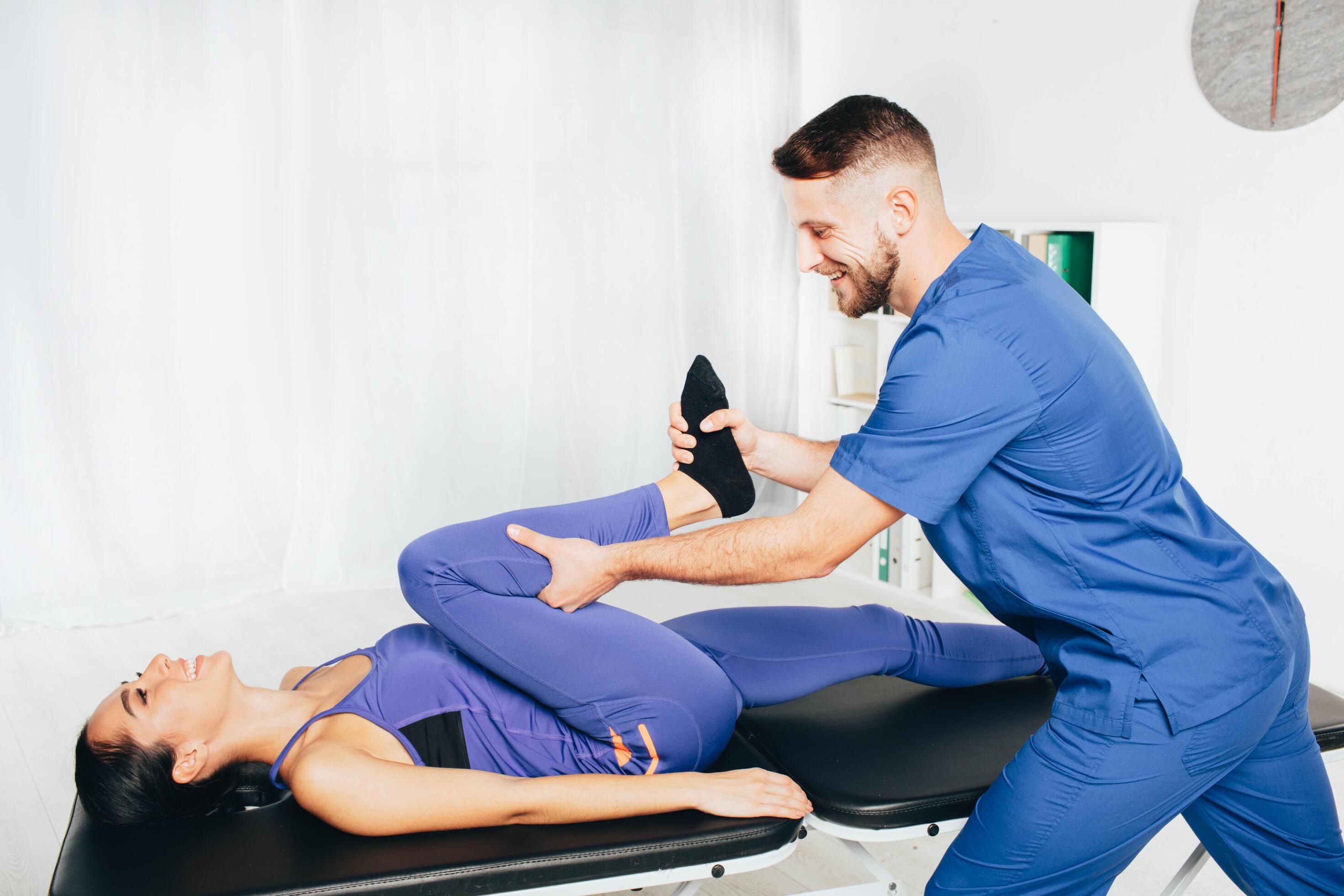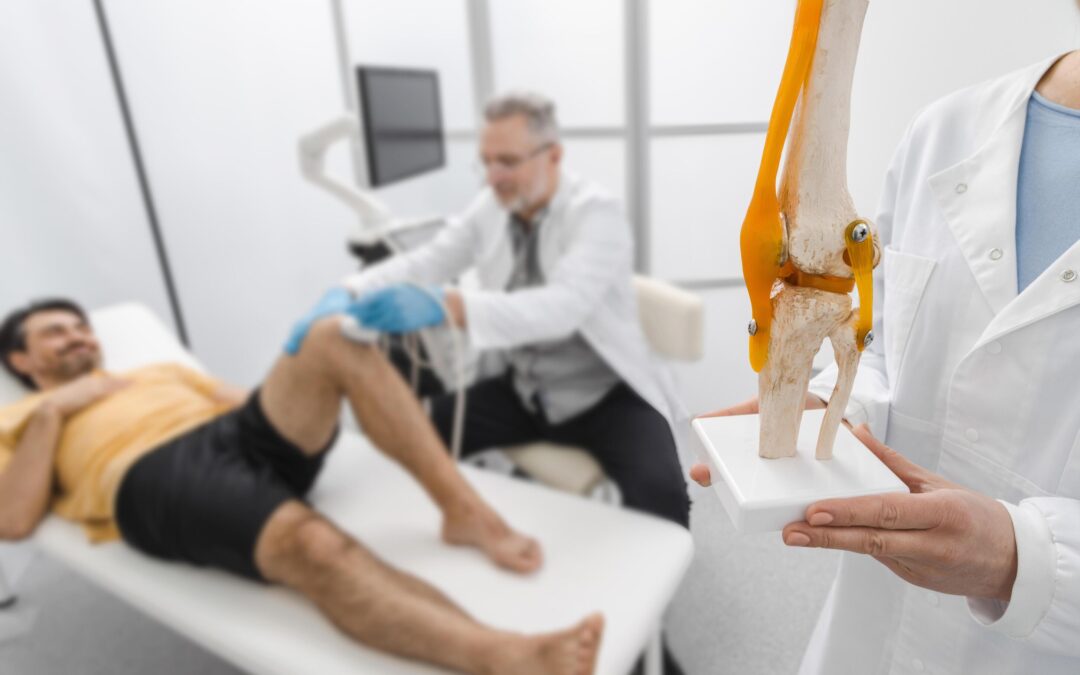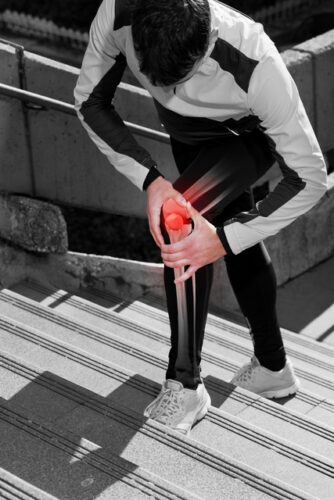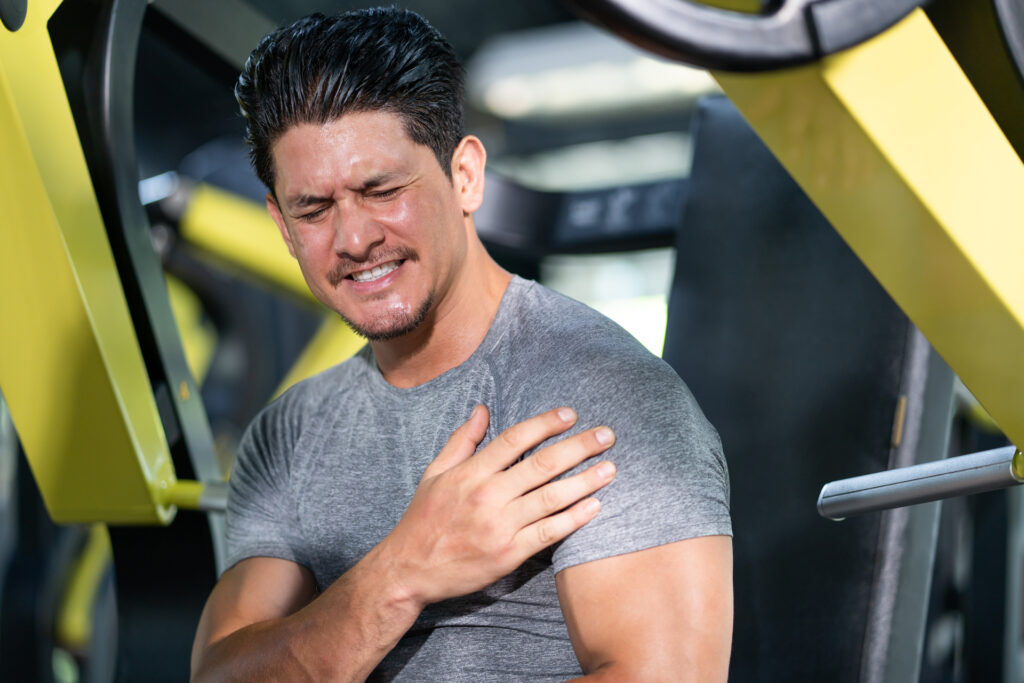
Most gym injuries do not happen from one dramatic moment. They build quietly. A shoulder starts to feel pinched during presses. Knees ache after leg day. The lower back tightens after deadlifts. Many people assume they lifted too heavy or just moved wrong once. In reality, injuries usually come from repeating small movement issues over time.
Physical therapy focuses on those patterns before they turn into pain that forces time off.
How Gym Injuries Usually Happen
Gym injuries are often the result of load meeting poor mechanics. When joints and muscles are not sharing work evenly, certain areas get overloaded.
Common causes include:
- Poor form during lifts that stress joints instead of muscles
- Limited mobility that forces compensation
- Weak stabilizing muscles that fatigue early
- Training volume that increases faster than the body can handle
Most people keep training through early warning signs. That is when minor irritation turns into injury.
Why So Many People Get Hurt At The Gym
Gyms give access to equipment, not guidance. Many people copy workouts online or follow generic programs that do not match their bodies.
Other factors that raise injury risk include:
- Skipping warm-ups or rushing into heavy sets
- Sitting most of the day, then training hard at night
- Ignoring asymmetries between sides
- Chasing weight increases before movement quality improves
These habits are common, not careless. They just go uncorrected.
What Proper Movement Mechanics Really Mean
Good mechanics are not about perfect form. They are about efficiency. Proper movement means joints move where they should and stay stable where they should. Hips generate force. Core muscles transfer it. Shoulders and knees stay supported instead of absorbing stress meant for larger muscles.
When mechanics are off, the body still completes the movement, but it does so by borrowing motion from joints that were not designed to take that load repeatedly.
How Physical Therapy Helps Reduce Gym Injuries
Physical therapy looks at how you actually move under load, not just how a lift looks from one angle.
Care often focuses on:
- Identifying mobility limits that change form
- Strengthening stabilizers that protect joints
- Improving control during compound movements
- Adjusting training volume and recovery
The goal is not to stop training. It is to make training safer and more sustainable.
Why Strength Alone Is Not Enough
Many gym injuries happen to strong people. Strength without control often leads to compensation.
Physical therapy helps connect strength to movement. Lifts feel smoother. Joints feel less irritated. Recovery improves because the right muscles are doing the work.
This is especially important for people lifting regularly or increasing intensity.
Train Smarter with Help from Modern Physical Therapy & Sports Medicine of Tucson, AZ
If gym pain keeps showing up or you want to prevent injuries before they start, physical therapy can help clean up movement mechanics. For people training in Tucson, working with PTs can keep progress moving forward without unnecessary breaks.