Shoulder pain shows up in different ways. A sharp catch when you reach for something. A dull throb that spreads toward the arm. A pinch when you try to sleep on one side. Some people notice it most during work. Others feel it during simple chores. Pain in this joint makes even small tasks frustrating. Every day, we meet people who have been dealing with it for weeks or months and feel stuck.
What Triggers Shoulder Pain
The shoulder moves more than most joints. That freedom makes it easy to strain. Long hours at a computer tighten the upper back. Heavy lifts irritate tendons. A fall or an old injury leaves the area sensitive. When one part becomes inflamed, the muscles around it start to guard. The joint then moves less. That limited movement adds more stress.
Common causes include
- Rotator cuff irritation
- Swollen bursa
- Tendon overload
- Labrum strain
- Old injuries that never settled
- Daily posture habits
What are Ultrasound-Guided Injections?
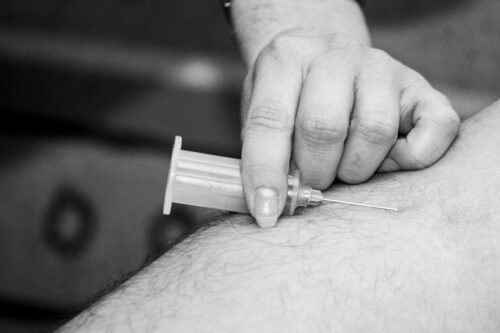
An ultrasound-guided injection is a simple procedure that uses real-time imaging to place medication exactly where it is needed. The clinician views the shoulder on a small screen. The ultrasound shows the bursa, tendons, and joint space. This helps guide the needle to the irritated area without guessing. The goal is direct placement and a calmer joint.
Why Ultrasound Guidance Helps
Without imaging, injections rely on basic landmarks. That can work, but it is less precise. With ultrasound, the clinician sees everything. You see the structures in the moment. You see the needle path. This keeps the process controlled and reduces the chance of missing the target. It also helps avoid adding stress to nearby tissue.
How The Process Works
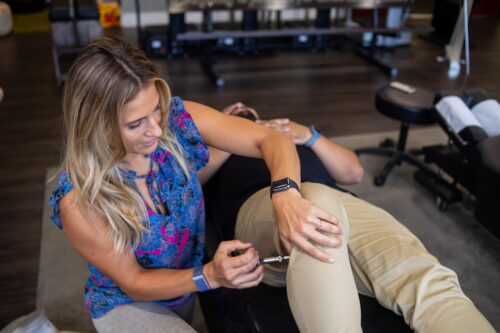
The shoulder is positioned for a clear view. A bit of gel goes on the skin. The ultrasound probe moves over the shoulder until the irritated spot shows on the screen. The clinician guides the needle while watching the screen. The medication is placed in the exact pocket of inflammation. Most people feel pressure more than pain. The entire visit feels calm and measured.
What Helps After The Injection
The injection lowers swelling. It does not rebuild strength. That is where physical therapy helps. Once the sharp pain settles, movement training begins. The shoulder does better when the cuff muscles, the shoulder blade, and the upper back share the load.
Follow-up care may include
- Soft tissue work to ease guarding
- Joint mobility drills
- Strength training for the cuff and scapular muscles
- Changes to daily posture
- Simple adjustments for work or home tasks
Why This Combination Works Well
Shoulder pain comes from more than one thing. The injection quiets the inflamed area. Physical therapy gives joint support. Together, they offer a more stable path forward. One step calms the pain. The other builds control so the pain does not return every time you reach or lift.
If shoulder pain has been slowing you down, reach out to schedule your visit. We can walk you through the process and help you move toward steadier, more comfortable motion.