How Movement Loss Usually Starts
Most people don’t wake up one day and lose motion. It creeps in. You stop turning your head fully because it feels tight. You avoid deep squats because your knee complains. You step out of the car and feel that hip pinch, so you start pivoting differently. The body is good at finding workarounds. The downside is that those workarounds become your new normal, and “normal” slowly gets smaller.
What We Mean by Non-Surgical Orthopedic Services
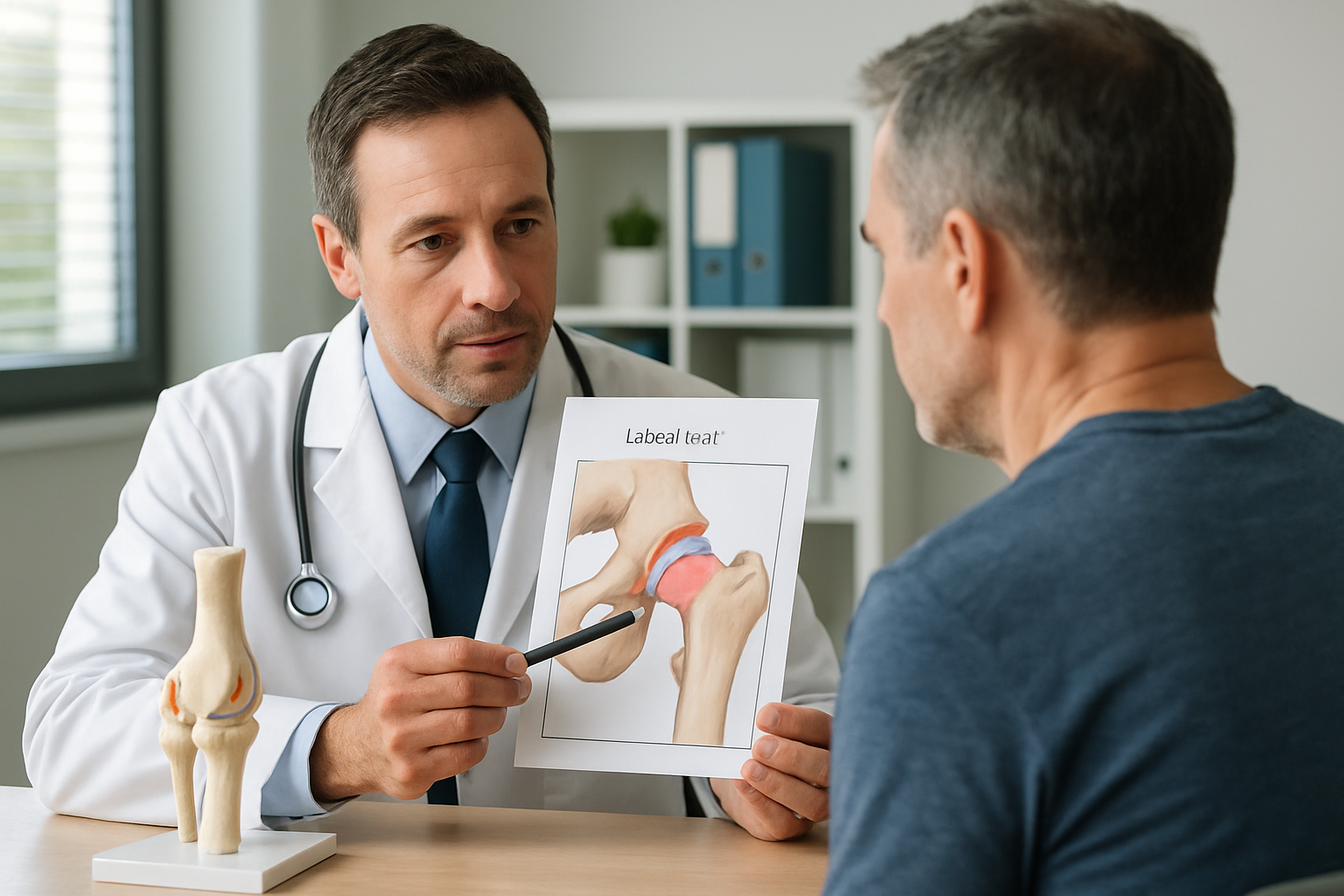
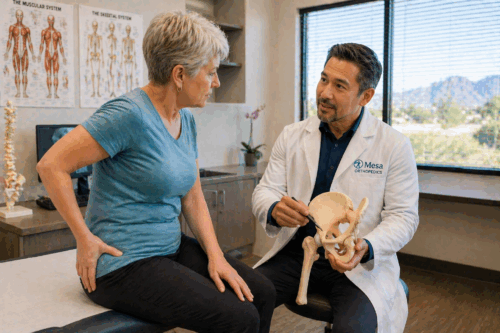
Non-surgical orthopedic care focuses on improving function first. We look at the joint, the surrounding muscles, and how you move in real situations, like stairs, reaching, lifting, and walking. The goal is to identify what is blocking motion. Sometimes it’s joint stiffness. Sometimes it’s protective guarding from pain. Sometimes it’s a weakness that makes you move cautiously. Most of the time, it’s a mix.
Common Signs Your Motion Is Shrinking
People often wait because they think stiffness is just part of life. These are the patterns that usually mean it’s time to get checked:
- You avoid certain movements without thinking about it
- Stairs, getting off the floor, or getting out of the car feel harder
- You feel stiff after sitting, then it takes a while to loosen up
- You have pain at the end range, so you stop going there
- You feel weaker or less steady on one side
- You stop doing activities you used to do because your body feels “limited.”
How We Figure Out the Cause
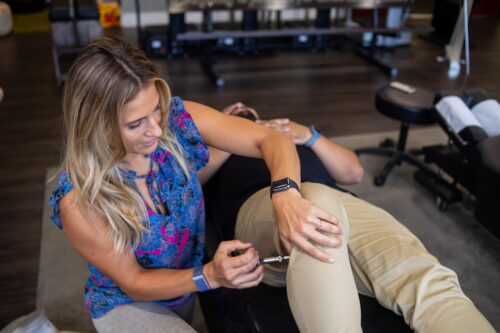
We measure the range of motion and compare sides. We check strength, especially in the muscles that protect joints, like the glutes, rotator cuff, and core support. We also watch you move. A hip can look fine on a table and still move poorly during walking. A shoulder may have decent range, but the shoulder blade might not be doing its part. Those details change the plan.
How Treatment Restores Usable Motion
The main goal is motion you can use, not motion you can force once in a clinic. We usually start by reducing irritation so movement feels safer. Then we restore the range gradually. After that, we build strength and control so the joint keeps the range when you go back to normal life. If you only stretch, the stiffness often returns. If you only strengthen without range, you stay limited. The best results come from pairing both.
Explore Non-Surgical Treatment for Range of Motion
If your range of motion keeps shrinking or daily tasks feel harder than they should, don’t keep working around it. Schedule an evaluation with Modern Physical Therapy & Sports Medicine of Mesa, AZ, to pinpoint what’s limiting you and build a non-surgical plan to get your movement back.