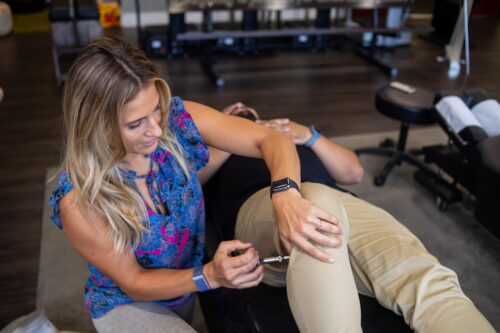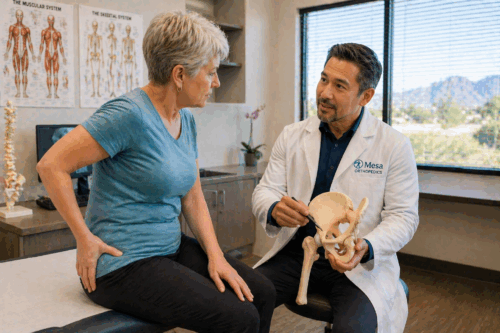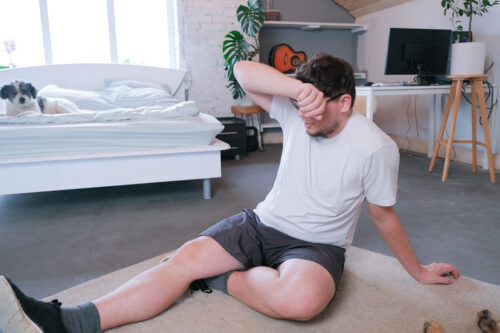
Most mobility problems build a little at a time. A knee gets stiff after sitting. A shoulder stops moving as easily overhead. A hip starts bothering you halfway through a walk. At first, people work around it. They take shorter steps. They stop squatting. They lean harder on the railing. After a while, those small changes become part of the day.
That is why non-surgical care can be a smart first move. A lot of these problems are tied to things that can be treated without an operation, such as weakness, stiffness, swelling, joint irritation, or pain that has changed the way the body moves. If those issues are addressed early, movement often becomes easier before the problem grows into something bigger.
What These Services May Include
The right treatment depends on what is limiting movement and how long it has been going on. Some people need better joint motion. Some need more strength in the area. Some need both, plus a clearer plan for what to do and what to stop pushing through.
Care may include:
- Physical therapy
- Mobility exercises
- Strength work
- Activity changes
- Anti-inflammatory treatment
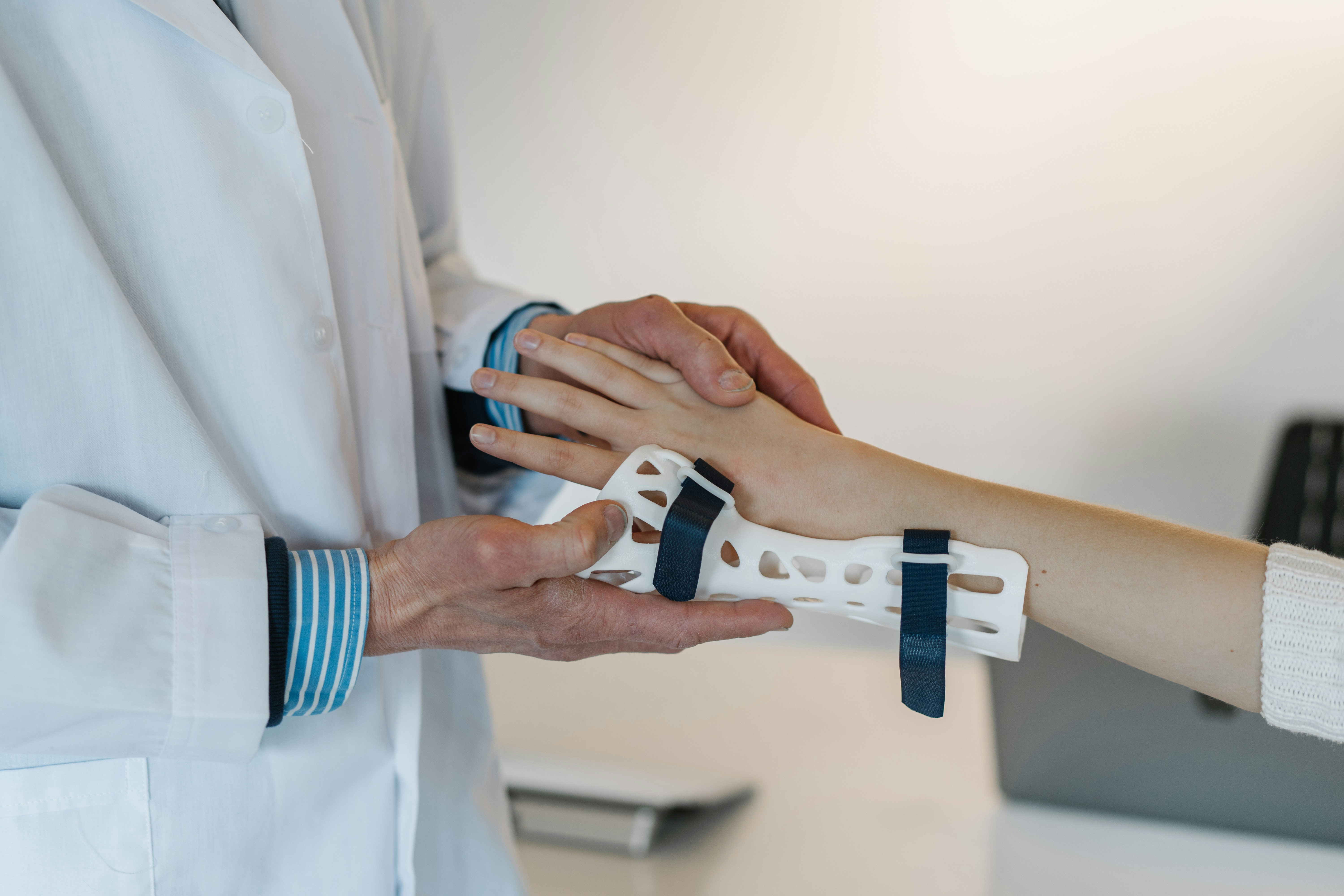
- Bracing in some cases
- Injections when appropriate
Each one has a purpose. Physical therapy can help improve how the body moves during normal tasks. Strength work can make joints feel more supported. Mobility exercises can help areas that have tightened up over time. Activity changes can calm things down while treatment starts working. In some cases, extra support or medical treatment may help patients move with less pain while they work on the bigger issue.
What Improvement Can Be Like
People often expect progress to feel dramatic. Most of the time, it shows up in regular moments first. Getting out of a chair may feel smoother. A trip through the store may feel less tiring. Stairs may feel less awkward. Turning over in bed may stop feeling like a chore.
Those are the kinds of changes that matter because they show up every day. Treatment is not just about making a joint feel better during an appointment. It is about helping the body handle normal life with less effort and less hesitation. That is where people usually notice the difference.
A few common signs of progress are:
- Less stiffness in the morning
- Better walking tolerance
- Easier stairs
- Less guarding with movement
- More confidence using the joint normally
When It Makes Sense To Reach Out To Us
If movement has been limited for weeks, if pain keeps changing how you walk or use a joint, or if daily tasks feel harder than they should, it is worth getting checked. Our team at Modern Medicine of Mesa, AZ,helps patients improve mobility with non-surgical orthopedic care built around real daily function. To get started, call the clinic or fill out the online form to request an appointment.