Most People Wait Too Long
Hip pain gets rationalized easily. You slept wrong. You overdid it Saturday. It will probably calm down by Tuesday.
Sometimes it does. A lot of the time, you are still favoring that side two weeks later. Still wincing getting out of the car. Still shifting in your seat at dinner because something just does not feel right.
Waiting makes sense for minor soreness. It stops making sense when the pain is changing how you move or showing up during things that never bothered you before.
Where Hip Pain Actually Comes From
Pain that feels like it is in the hip is not always coming from the joint itself.
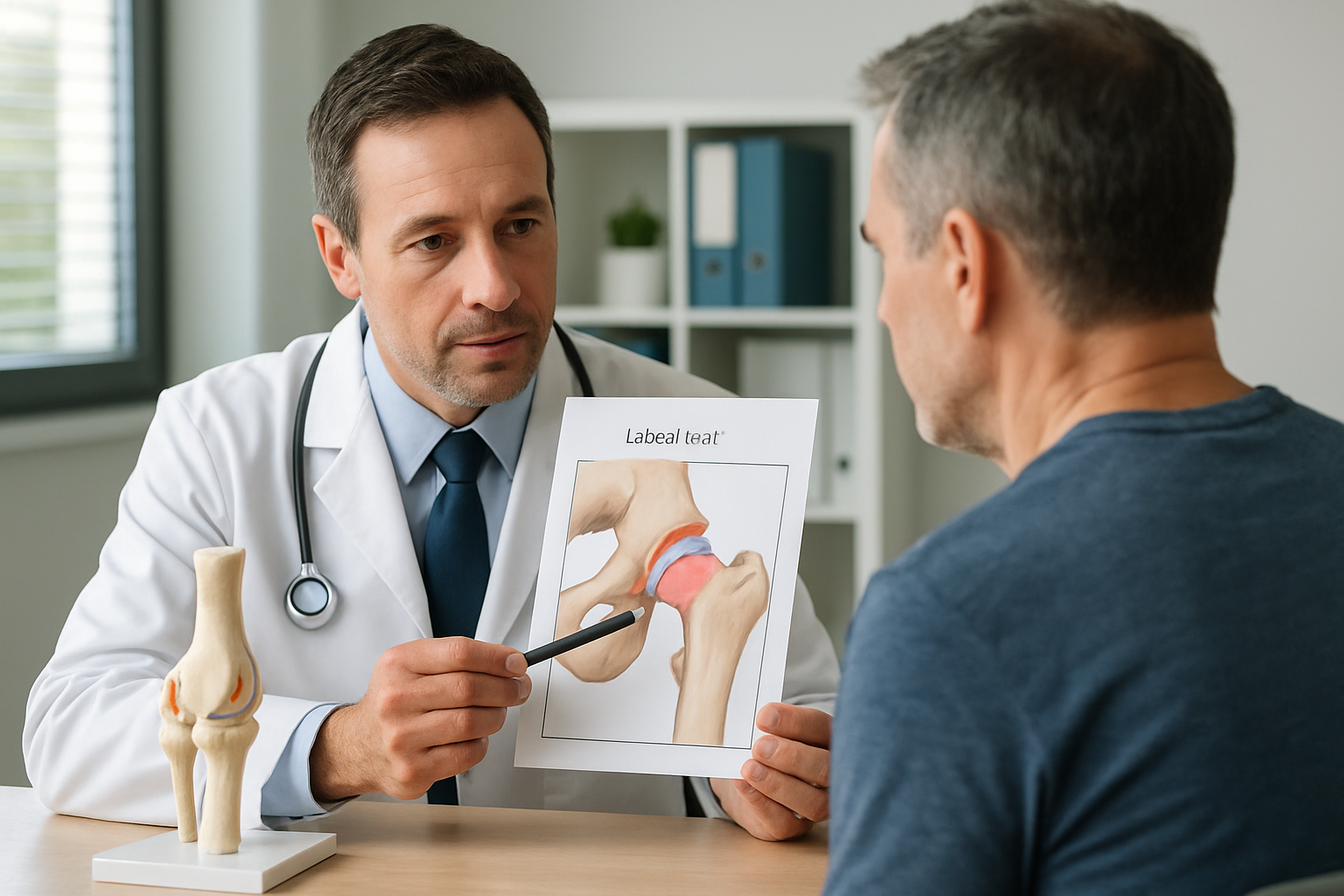
The bursa, the labrum, the tendons around the hip, the SI joint, and the lower back. All of these can produce pain that lands in the hip area. A provider who only looks at the joint misses a lot.
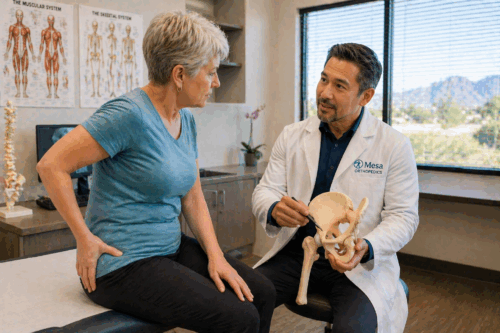
That matters because bursitis is managed differently from labral irritation. Tendinopathy around the hip looks nothing like referred pain from the lumbar spine. Getting the source right is the whole game.
Patients at Modern Medicine of Mesa, AZ, regularly come in after weeks of managing what they thought was muscle soreness. The assessment changes the picture.
Signs Worth Paying Attention To
Pain that wakes you up at night. Morning stiffness that takes longer than a few minutes to work out. A catching sensation deep in the joint. Pain that travels into the groin or down the thigh. Trouble getting up from a low chair without pushing off with your arms.
None of this means something serious is happening. But none of it is just normal soreness either.
A lot of patients put off calling because they assume the next step is imaging or surgery. It usually is not. A non-surgical orthopedic visit is about figuring out what is actually going on before anything else gets decided.
What Non-Surgical Care Looks Like
It is not just a list of things to avoid.
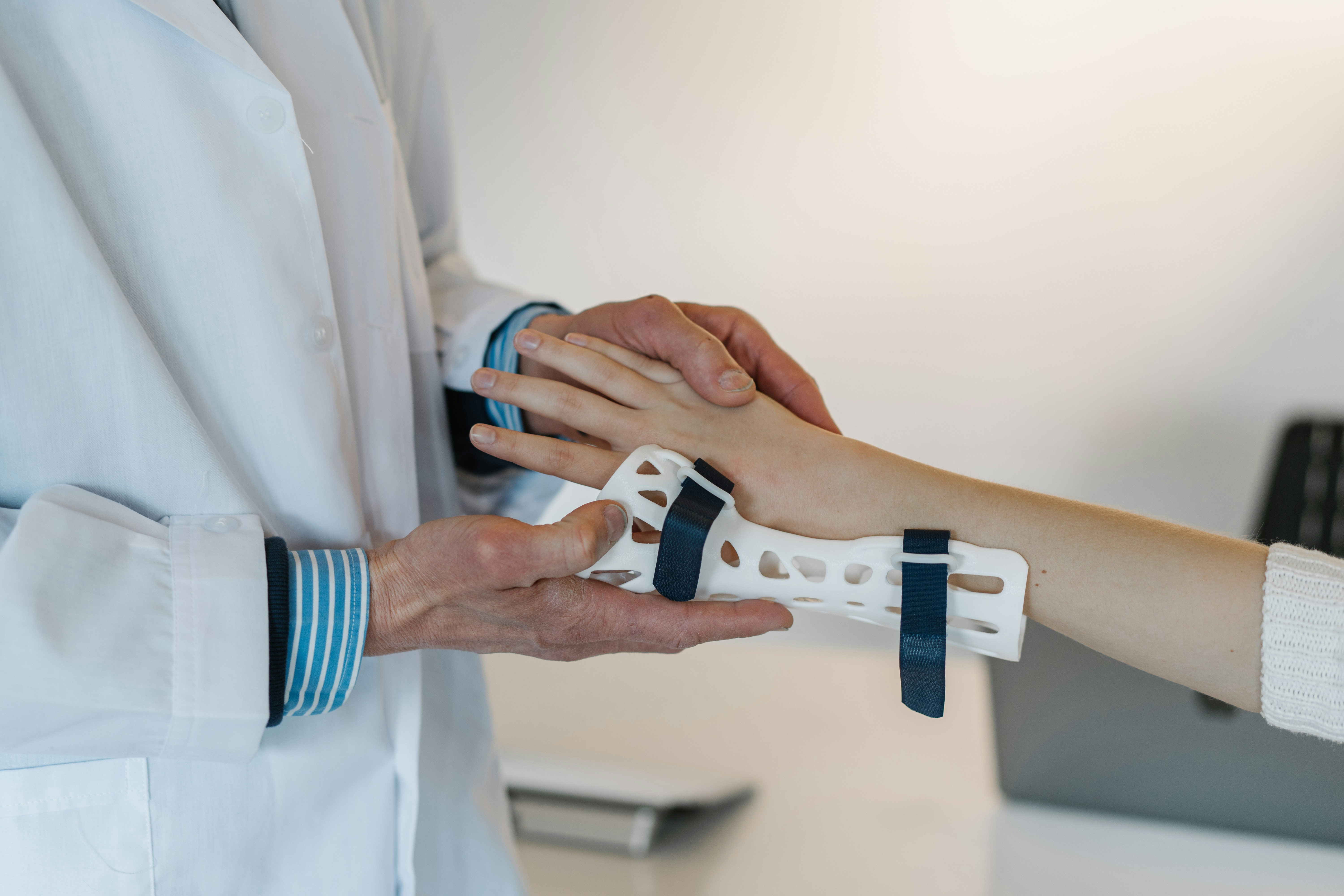
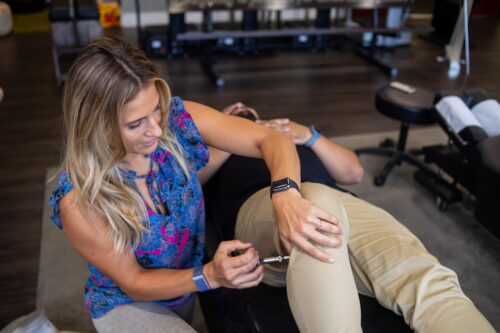
Depending on what the evaluation finds, care might involve physical therapy to address muscle weakness and movement patterns around the hip. Targeted injections for a specific structure. Manual therapy. A home program built around what the hip actually needs right now.
For a lot of patients, that is enough. Pain drops. Movement improves. Daily activity stops feeling like something to get through.
What Mesa Patients Are Usually Dealing With
Younger active patients tend to come in with labral issues or tendinopathy. Older patients more often deal with osteoarthritis, bursitis, or hip flexor breakdown from years of desk work and driving.
Both groups want the same thing. To walk the trail at Red Mountain Park without limping. To keep up with grandkids. To sit through a full workday without repositioning every twenty minutes.
Hip pain that has been around for weeks and is not improving on its own is the body telling you something is wrong.
Contact Modern Medicine of Mesa, AZ to schedule a non-surgical orthopedic evaluation and find out what is actually driving the pain.