What Actually Slows Recovery Down
Plenty of athletes drag out their own recovery without meaning to. A few common ways it happens:
- Resting too long, so the muscles weaken and the joint stiffens
- Coming back too soon and reinjuring the same spot
- Treating only where it hurts and ignoring why it happened
- Skipping the slow rebuild and jumping back to full speed
- Guessing at the timeline instead of going by how the body responds
Recovery isn’t just waiting for tissue to knit back together. The body needs the right input to heal well, and too much or too little both set you back.
The Treatments That Speed Things Up
There’s no single magic fix. Faster recovery comes from stacking the right tools in the right sequence. What sports medicine usually pulls from:
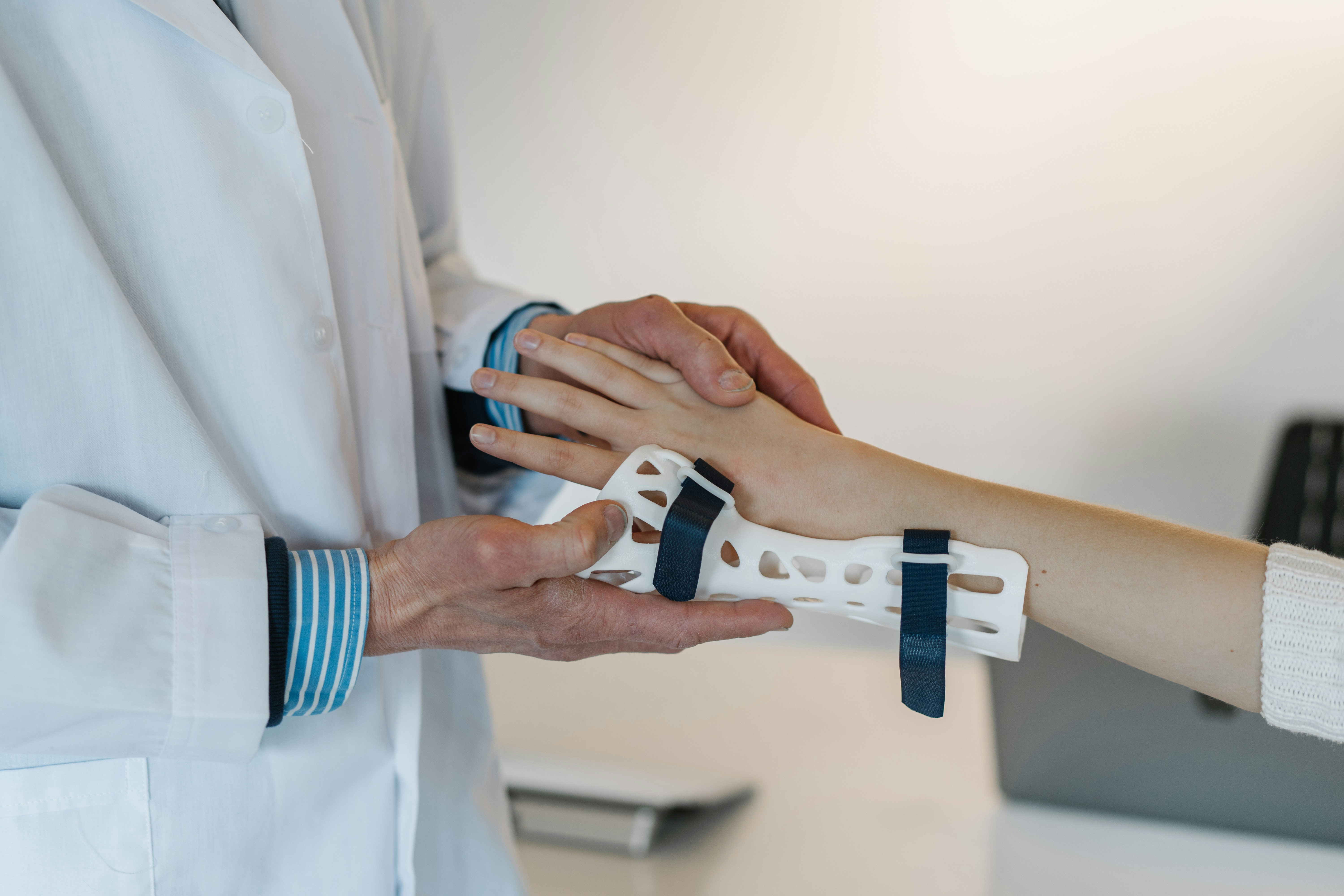
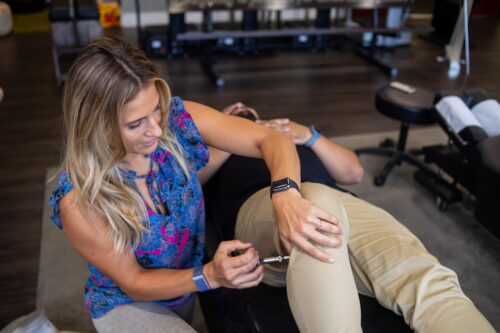
- Hands-on therapy to ease pain and stiffness so you can move sooner
- Targeted exercise that rebuilds strength without overloading the healing tissue
- Progressive loading, adding stress to the injury at a pace it can handle
- Balance and control work, especially after a lower body injury
- Sport-specific drills that prep you for the real demands of your game
- Soft tissue work to keep scar tissue from limiting your motion
Early on, the focus is calming things down and getting safe movement back. Then strength. Then the kind of dynamic control your sport actually asks for. Each phase builds on the last, and skipping ahead is where people get hurt again.
Why a Plan Beats Pushing Through
The tough-it-out mindset feels productive. It usually backfires. Athletes who push through pain or rush the timeline are the ones who end up with the same injury twice, or a new one from compensating.
A real plan changes that. Someone tracking your progress knows when you’re ready for the next step and when you’re not. Can you jog without a limp? Cut side to side? Plant and drive off it? Each milestone gets cleared before the next one starts. That structure is what keeps you moving forward instead of bouncing between setbacks.
It also takes the guesswork off your plate. Instead of wondering whether today’s the day to ramp up, you’ve got someone reading how your body’s actually responding and adjusting from there.
Getting Back Stronger, Not Just Back
The goal isn’t only returning to your sport. It’s returning in shape to stay. A rushed recovery leaves weak spots that show up later, usually at the worst possible time. Building it back right means you come back steadier and less likely to land right back on the sideline.
If you’re sidelined and want to get back the smart way, Modern Medicine of Mesa, AZ, works with athletes to speed up recovery without cutting corners. Call today to set up an evaluation.