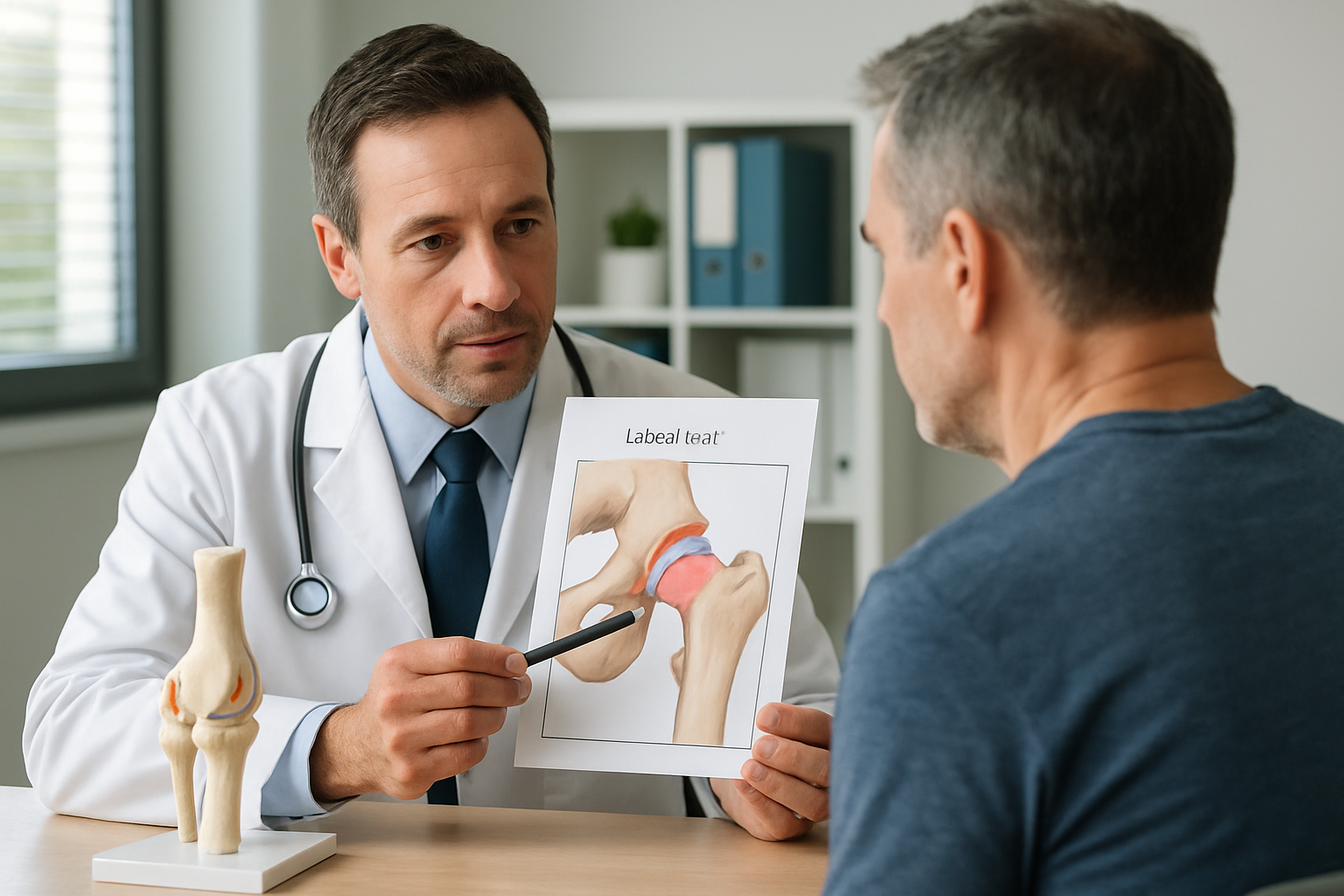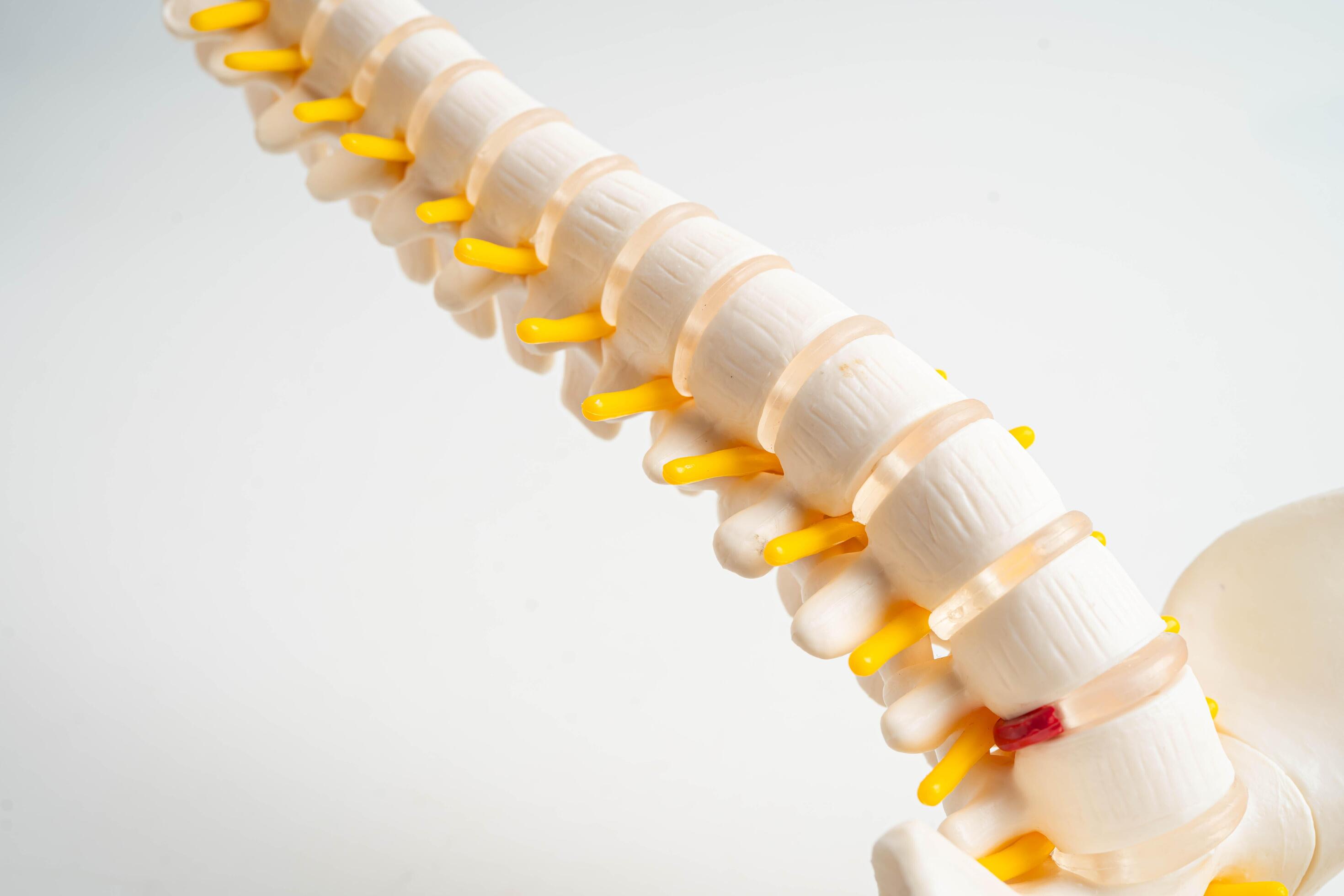
A lot of people think arthritis comes with two options. Live with it, or eventually replace the joint. So when they hear non-surgical orthopedic care, it sounds like a polite way of saying deal with it. Some pills, some advice, come back when it's bad enough for surgery. That picture is off, and it keeps people from a whole stretch of active treatment that does real work on the pain.
Non-surgical care isn't a waiting room before the operating room. It's its own thing, and for most people, it's where the actual relief comes from.
It's Active, Not Just Managing
The assumption is that non-surgical means passive. Take something for the pain, avoid what hurts, wait. That's management, and it doesn't change anything underneath.
Real non-surgical care works the other direction. It goes after the things that are making the arthritis hurt more than it has to, and several of those are fixable, even though the arthritis itself isn't going away. That's the part people miss. You can't undo the cartilage wear, but you've got a lot of say over how much it actually bothers you day to day.
The Tools That Do the Work
Here's what's actually in the kit, and what each piece changes.
Strengthening is the big one. The muscles around an arthritic joint take the load off the worn surfaces when they're strong. Build them up, and the joint carries less, which means less pain and easier movement. This does more for most people than anything else on the list, and it's the piece passive management skips entirely.
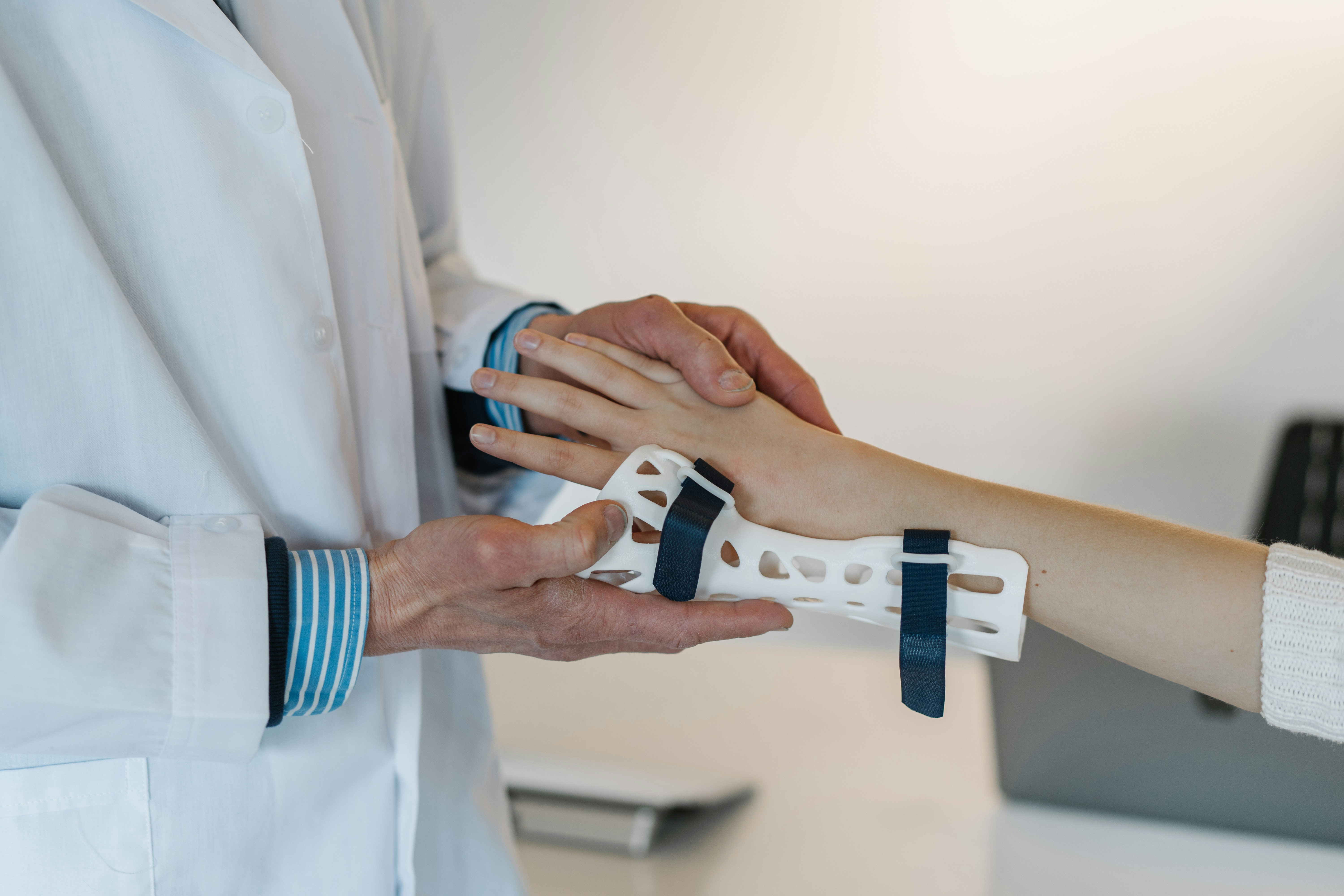
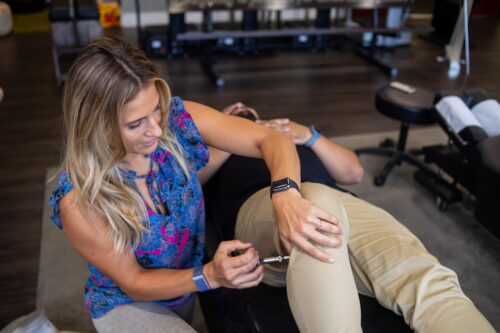
Hands-on therapy and movement help regain the range that the stiffness has taken and keep the joint from setting up. A joint that moves more freely hurts less when getting going.
Injections come in when inflammation is driving the pain, and exercise alone isn't quieting it. They can settle a flare enough that you're able to do the strengthening work that holds longer-term.
Activity and load guidance sorts out how to stay active in ways that feed the joint instead of grinding it, plus the small daily adjustments that keep it from flaring in the first place.
Why This Counts as Relief
A painkiller masks. It dulls the signal and changes nothing about why the joint hurts. The work above does something different. It changes the actual mechanics of the joint, less load on the worn part, better movement, calmer inflammation, so there's less pain being generated to begin with.
That's the distinction worth understanding. One hides the problem for a few hours. The other lowers how much the joint hurts in the first place, which is why the relief tends to hold.
Being Honest About It
None of this reverses arthritis, and a good doctor won't pretend otherwise. The cartilage that's worn is worn. What changes is the daily experience, often a lot. Less morning stiffness. Activity that doesn't flare things the way it did. Sleep that isn't broken by the ache. For a lot of people, that's most of what they were after, and it pushes any talk of surgery much further down the road, sometimes off the table for good.
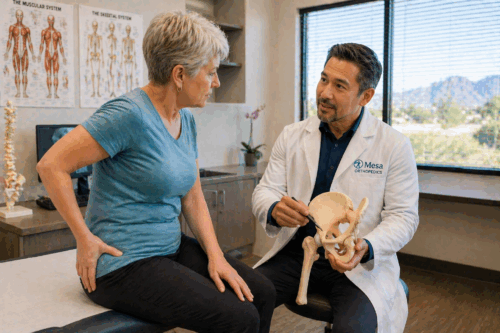
You don't have to choose between toughing it out and replacing the joint. Modern Medicine of Mesa, AZ can walk you through what non-surgical care would actually do for your joints and build a plan from there. The phone's the quickest way to get going.