Many injuries are preventable. They do not come from one bad moment. They build from repeated stress, weak support muscles, and poor movement habits. By the time pain shows up, tissue tolerance is already low. Injury prevention plans address these issues before pain forces time off or limits activity.
Why Injury Prevention Plans Matter
The body adapts to what it does most. Repetition without balance leads to overload. Muscles fatigue. Joints absorb uneven stress. Small issues grow into injuries. Prevention plans reduce this risk by improving strength, mobility, and control. They also help people move with more awareness during daily tasks, work, and training.
Who Injury Prevention Plans Are For
These plans support a wide range of people. Some want to stay active without setbacks. Others need to protect their body due to job demands or past injuries. Prevention care is not limited to athletes.
Plans often benefit:
- Active adults who train or exercise regularly
- Workers with physical or repetitive job demands
- People returning to activity after injury
- Individuals with a history of recurring pain
- Adults noticing early stiffness or weakness
Sports Medicine Evaluation for Prevention
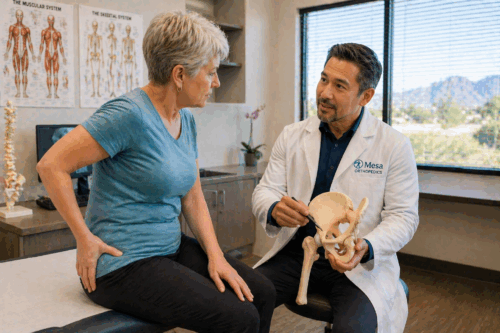
Prevention starts with assessment. Sports medicine doctors evaluate movement patterns, strength, flexibility, and joint control. Walking, lifting, and posture reveal risk areas. The goal is to identify where stress builds before injury occurs. Care plans target those areas directly.
Strength Focused Prevention Plans
Weak muscles force joints and tendons to work harder. Strength plans build support where it matters most. Exercises focus on control first, then load. This approach increases tissue tolerance without strain.
Common strength targets include:
- Hips and core for spinal support
- Shoulders and upper back for reaching tasks
- Legs and ankles for balance and impact control
Mobility and Flexibility Plans
Limited mobility shifts stress into nearby joints. Prevention plans include mobility work to restore safe range of motion. Stretching stays purposeful and tied to movement needs. Improved mobility supports smoother motion and reduces compensation patterns.
Movement and Technique Training
How someone moves matters as much as strength. Prevention plans address lifting mechanics, running form, and posture. Patients practice movement with guidance and feedback. This helps replace habits that strain the body.
Balance and Stability Training
Loss of balance increases injury risk. Stability training improves control during sudden movement or uneven surfaces. These drills train reaction time and joint awareness. Better balance supports safety during daily activity.
Recovery and Load Management
Injury risk increases when recovery falls behind workload. Prevention plans include guidance on rest, activity pacing, and workload changes. Patients learn how to increase activity without overload. This keeps progress steady and reduces setbacks.
Begin an Injury Prevention Plan Today
If you want to reduce injury risk and stay active with confidence, injury prevention care can help. Our sports medicine doctors guide Queen Creek patients through clear prevention plans built around real movement needs. Contact our clinic to schedule an evaluation and start a prevention-focused plan.