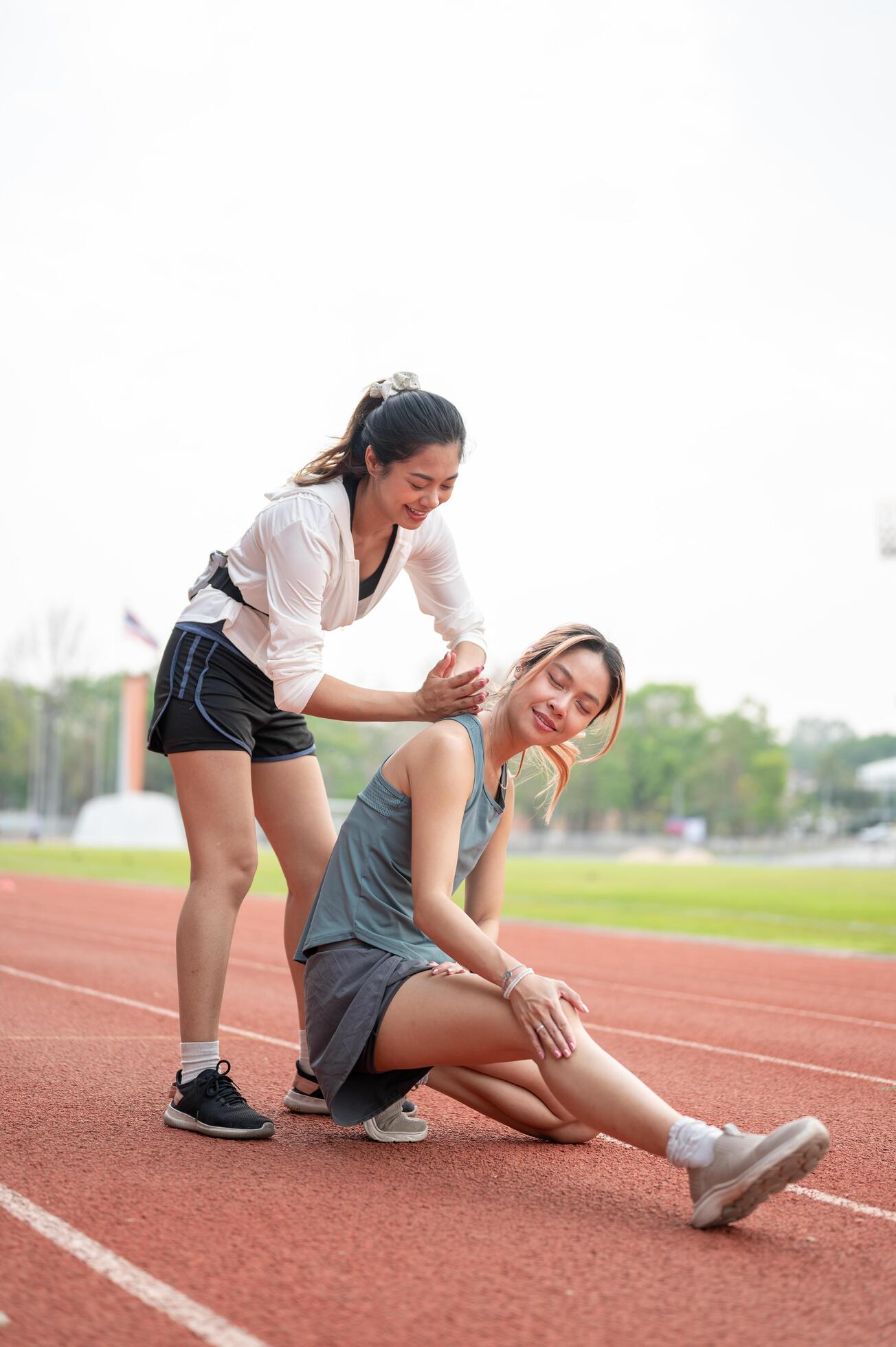
Some sports injuries make themselves known right away. But many sneak in quietly. A little soreness that lingers after practice. Heel pain that appears after long tournament weekends. A knee that only hurts during sprints, then starts aching during warmups, then even while walking to class. These are the typical early signs of overuse. And they’re showing up more often in younger athletes who specialize early, train constantly, and push through pain because no one told them it was a warning.
Overuse Means Load Outpaces Recovery
The human body responds to stress with adaptation. But if the stress is too much, too often, and without enough recovery, the tissue breaks down. In kids and teens, this process can affect tendons, growth plates, cartilage, or even bone. Since they’re still developing, their structures aren’t built for nonstop, high-volume load. The more imbalance there is between demand and support, the higher the injury risk. Conditions like Osgood-Schlatter, Sever’s disease, jumper’s knee, elbow pain from throwing, shoulder irritation, and stress reactions in the legs all follow this overload pattern.
One Sport, Year-Round, No Pause
Specializing in a single sport at a young age increases risk. The athlete becomes efficient in that one movement pattern, but at the cost of variety, balance, and general body control. Pitchers who throw year-round. Swimmers with no off-season. Dancers with back-to-back rehearsals and no strength support. Their skill improves, but the compensation builds right alongside it. One side tightens. Another weakens. And performance drops even before pain sets in. By the time the same ankle, hip, or knee starts acting up again and again, the injury is already underway.
It’s Not About Pulling Them Off the Field
Rest is not always the answer. Most of these injuries don’t need a total shutdown. They need a smarter workload. That means reducing volume, cross-training, changing the tempo, or improving form. If the mechanics are bad, we fix them. If the load is too high, we adjust it. If strength is missing, we build it. We use isometric exercises to reduce tendon pain without further aggravation. We build neuromuscular control through structured movement training. We teach recovery routines and monitor progression so the athlete stays active without pushing past what their body can support.
Know the Red Flags Before it’s Too Late
The earlier these signs are caught, the easier they are to correct. Pain that gets worse during the same part of practice. Limping that goes away after warm-up but returns the next day. A kid who starts avoiding certain movements. These are mechanical warnings, not mental blocks. If soreness lasts more than 48 hours or starts showing up before activity, something’s off.
Overuse injuries are a signal that the system was doing too much with too little support. At Modern Physical Therapy & Sports Medicine of East Mesa, AZ, we help athletes in Queen Creek build the strength, stability, and movement control they need to keep doing what they love without burning out their bodies before they’re fully developed. If your child is pushing through pain, or you just want to make sure they’re training smart, schedule a visit.