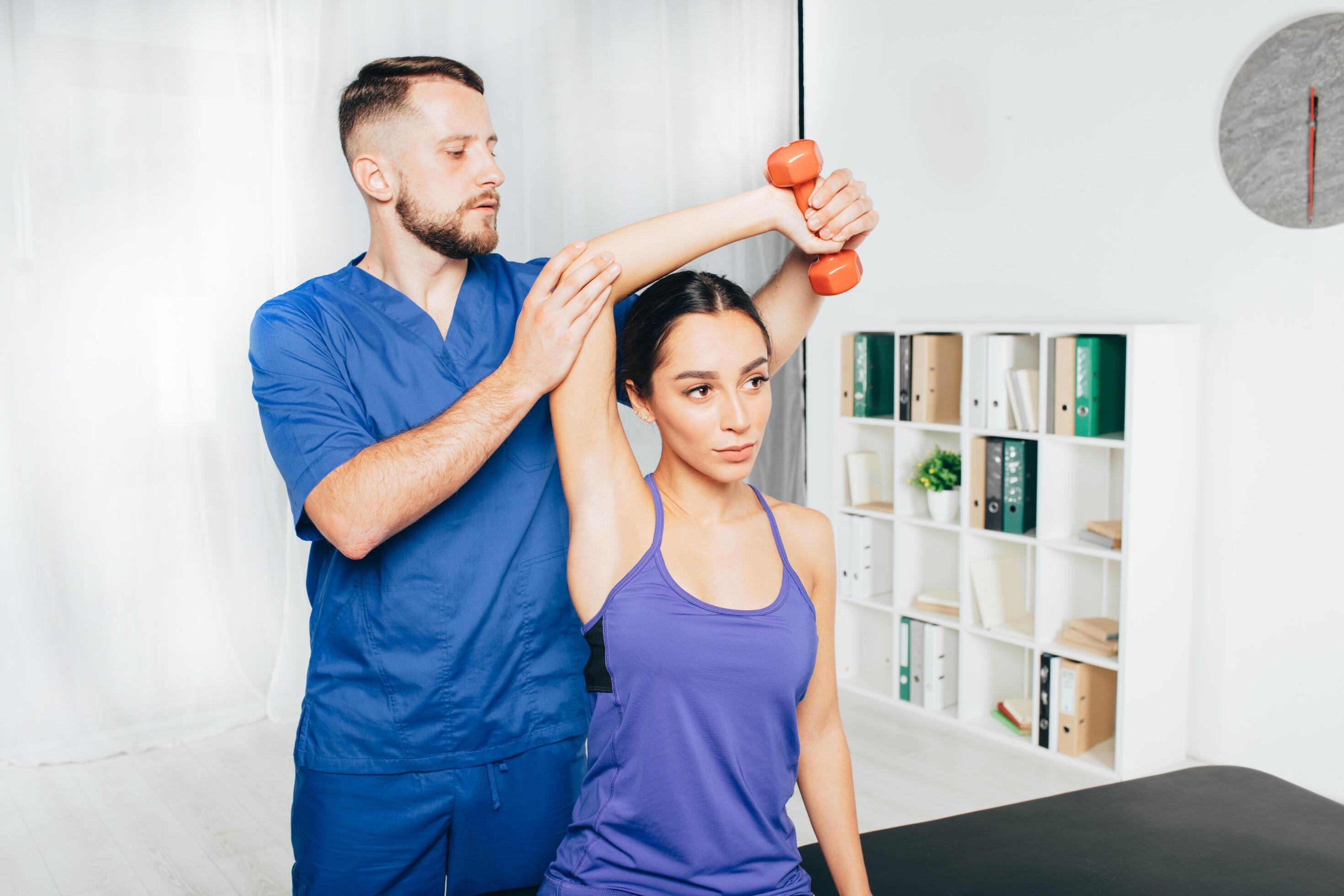
Shoulder recovery has a lesson in it that catches people off guard. When your rotator cuff is the problem, the fix usually isn't just about the cuff. It's about the whole team of muscles that runs your shoulder, and getting them working together again. The shoulder is a system, and physical therapy recovers it by rebuilding the system, not just patching the one part that hurts. Understanding that is what separates a shoulder that gets better from one that keeps flaring.
The Shoulder Is a Team Effort
Your shoulder is the most mobile joint in your body, and it pays for that mobility with a lack of built-in stability. It relies on muscles to stay stable and move well. The rotator cuff, four muscles deep in the shoulder, does the fine stabilizing work. But it doesn't act alone. The muscles around your shoulder blade position the whole platform the arm moves on. The bigger muscles provide power. It all has to coordinate.
When one part gets injured or weak, the coordination breaks down, and the shoulder stops moving cleanly. So treating only the injured cuff, while ignoring the rest of the team, tends to leave the underlying problem in place.
Why the Shoulder Blade Matters So Much
Here's a piece people never expect. A huge amount of shoulder trouble traces back to the shoulder blade. The blade is the base the arm moves from, and it's positioned and controlled by its own set of muscles. When those are weak or the blade sits in a poor position, often from rounded posture, the cuff has to work in a cramped, disadvantaged position, and it gets pinched and irritated.
So a lot of rotator cuff pain is actually a shoulder blade problem in disguise. Fix how the blade sits and moves, and you give the cuff room to work without grinding.
How Therapy Rebuilds the System
Physical therapy recovers the shoulder by restoring the whole team:
- Strengthening the rotator cuff so it can stabilize the joint again
- Strengthening the muscles around the shoulder blade so the platform is stable
- Fixing posture and upper back stiffness that jam the cuff into a bad position
- Hands-on work to restore range and ease the guarding that built up
- Retraining the shoulder and blade to move together in proper coordination
That coordination piece is the goal. A shoulder where the cuff, the blade, and the bigger muscles all work together is a shoulder that moves cleanly and stops getting irritated.
Why This Beats Rest
Resting a sore shoulder feels safe, but it leaves the whole system weak and uncoordinated, so the pain returns the moment you use the arm normally. Rebuilding the system through targeted work is what actually resolves the problem, because it fixes why the shoulder was struggling, not just the symptom.
When to Get It Looked At
If your shoulder's been aching more than a couple weeks, if reaching overhead catches or feels weak, if it's wrecking your sleep, or if you're slowly losing range, don't wait it out.
If your shoulder's been giving you trouble, come see us at Modern Physical Therapy & Sports Medicine of Northwest Tucson, AZ and we'll rebuild the whole system, not just the sore spot. Give us a call to get started.