Runners are good at ignoring pain. You feel a twinge in the heel on mile two of your loop along the Santa Cruz River path, and you tell yourself it’ll warm up. Usually it does, for a while. Then one morning the arch hurts before you even lace up, or the outside of your ankle starts aching on every downhill in the Tortolitas. By the time most runners in Marana come see us, they’ve been pushing through it for months.
What Usually Goes Wrong
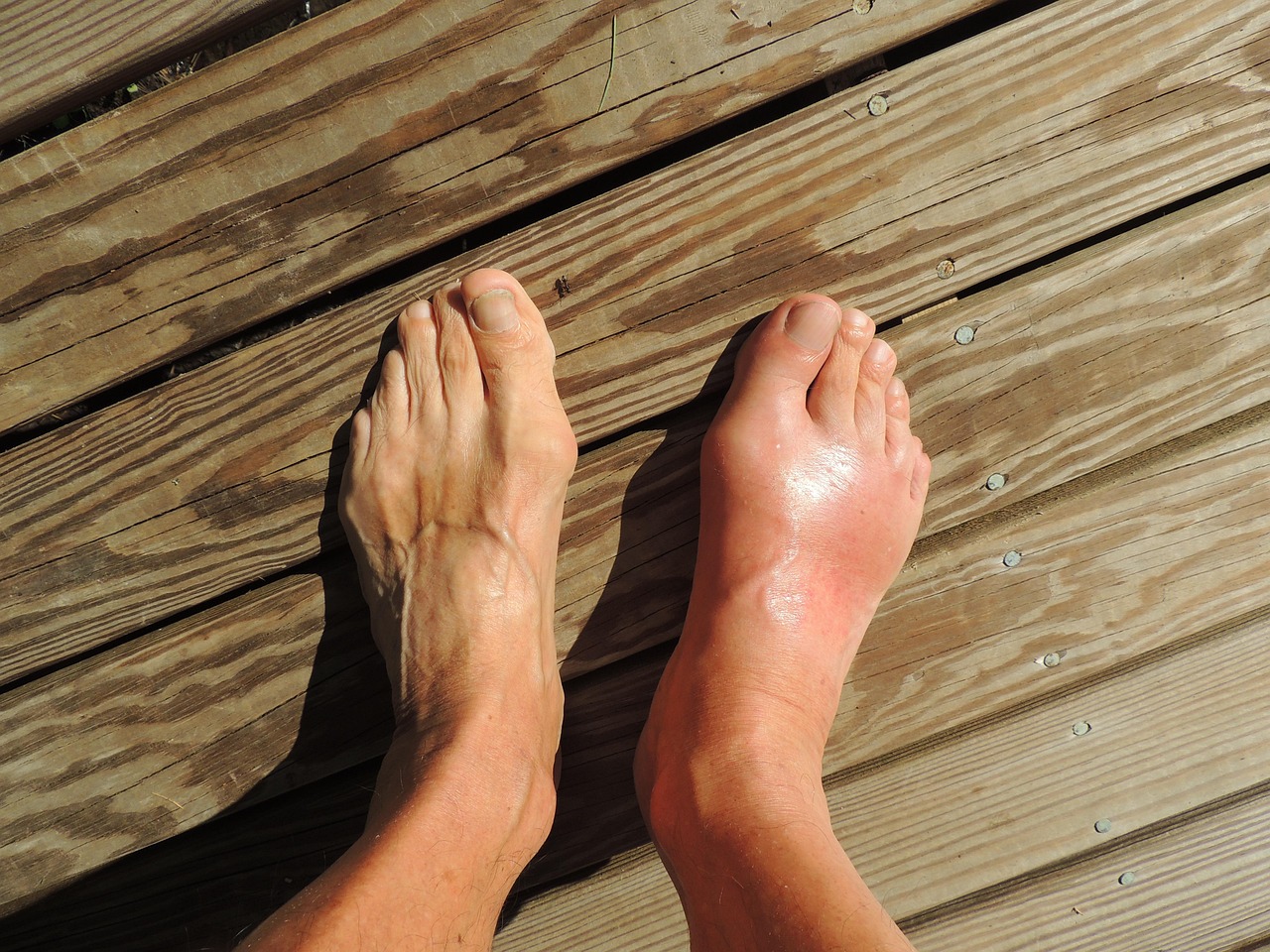
Running is the same motion repeated thousands of times, so small problems add up fast. Most foot and ankle pain in runners comes from doing a little too much, too soon, or from something in the way you move. These are the ones we see the most:
- Plantar fasciitis makes the heel hurt on the first steps of the morning.
- Achilles tendinopathy causes pain and stiffness at the back of the heel or a little higher up.
- Stress fractures in the foot cause a sharp, specific spot of pain that gets worse as you run.
- Peroneal tendonitis makes the outside of the ankle sore, especially on uneven ground.
- An ankle that has been sprained before can feel loose or wobbly on trails.
How We Look at It
We’ll ask about your mileage, your shoes, and anything that changed before the pain started, like a new race goal or a switch from roads to trails. Then we’ll examine the foot and ankle and press on the spots that hurt. We’ll watch you walk and do a few single-leg tests, like hops and calf raises, to see how the foot and leg handle load. If we suspect a stress fracture, we’ll get imaging, because that one needs a different plan.
Treating It Without Losing All Your Fitness
Most runners don’t need to stop completely. We’ll help you figure out how much running the injury can handle, and you might cross-train on a bike or in the pool to keep your fitness up in the meantime.
Strength work is the main part of most plans. Calf raises, foot exercises, and hip strength all help the leg absorb force better. For Achilles and plantar problems, slow and steady loading exercises tend to do more than stretching alone. We’ll also look at your shoes, your cadence, and how quickly you’ve been adding miles.
Once the pain settles, we’ll give you a return-to-run plan with clear steps, so you know when it’s safe to add distance and speed.
If foot or ankle pain keeps cutting your runs short, book a visit with Modern Medicine of Northwest Tucson, AZ. We’ll help you get back on the trail before you know it.