Mobility Is Not Just Flexibility
A lot of athletes think mobility means stretching more. It does not.
Flexibility is passive. How far a muscle can be lengthened when something else is moving it. Mobility is active. How far a joint can move under the athlete’s own control with strength and stability through that range. An athlete can be flexible and still have terrible mobility if the nervous system does not allow active control through the available range.
That distinction matters because passive flexibility does not transfer to athletic performance. Active mobility does.
What Actually Limits Mobility in Athletes
Several things tend to show up in athletic patients:
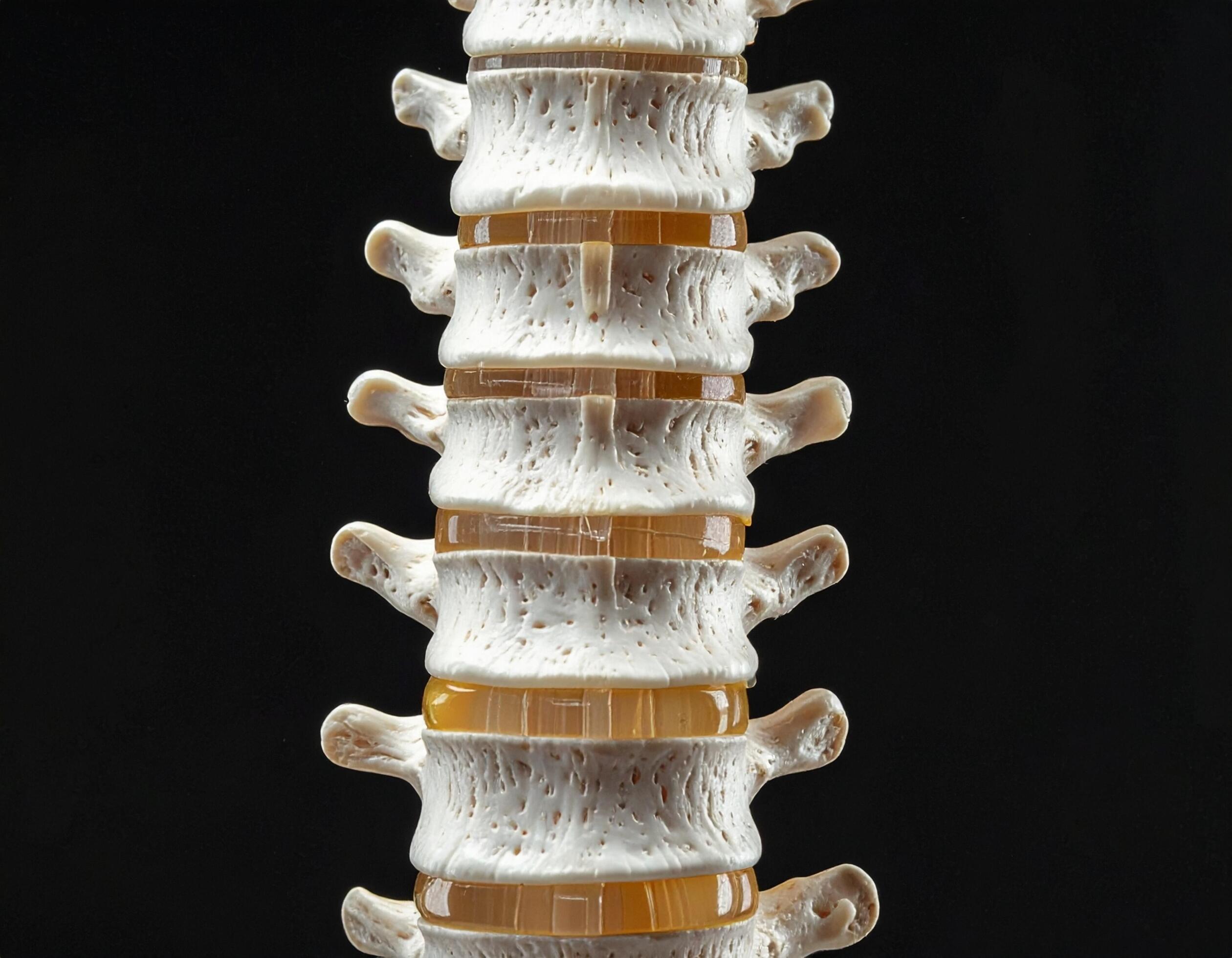
- Joint capsule restrictions that limit range regardless of muscle length
- Muscle inhibition patterns where certain muscles have stopped activating properly and adjacent ones are compensating
- Scar tissue from old injuries that reduced tissue elasticity and created a stiff point in the range
- Chronic muscle guarding around a previously painful area that the nervous system never fully released
- Movement patterns that never developed a full range because the athlete trained around a limitation rather than through it
Most athletes have more than one of these running at once. The hip that feels tight despite regular stretching is often a joint capsule issue combined with glute inhibition rather than a flexibility problem.
What Physical Therapy Does
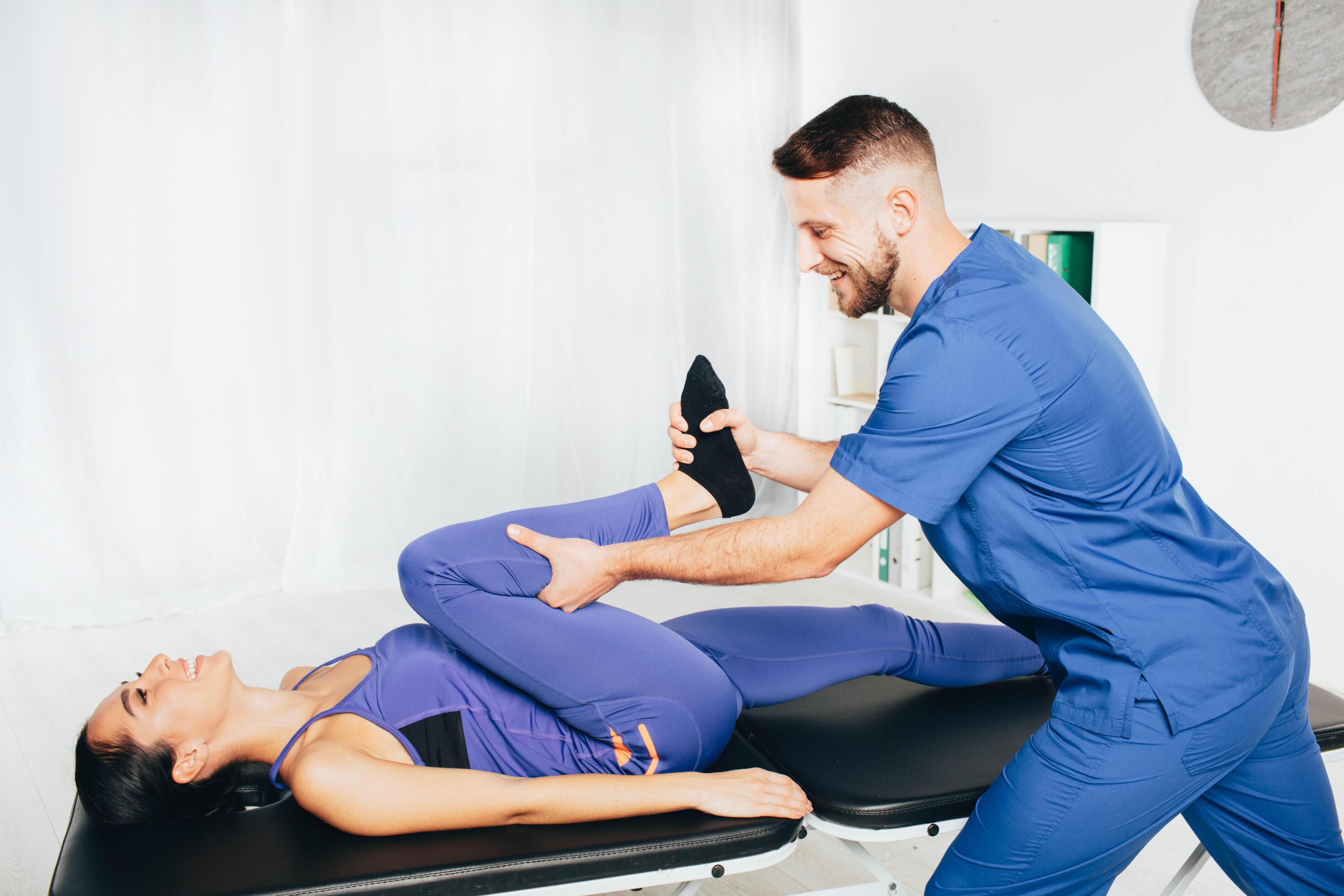
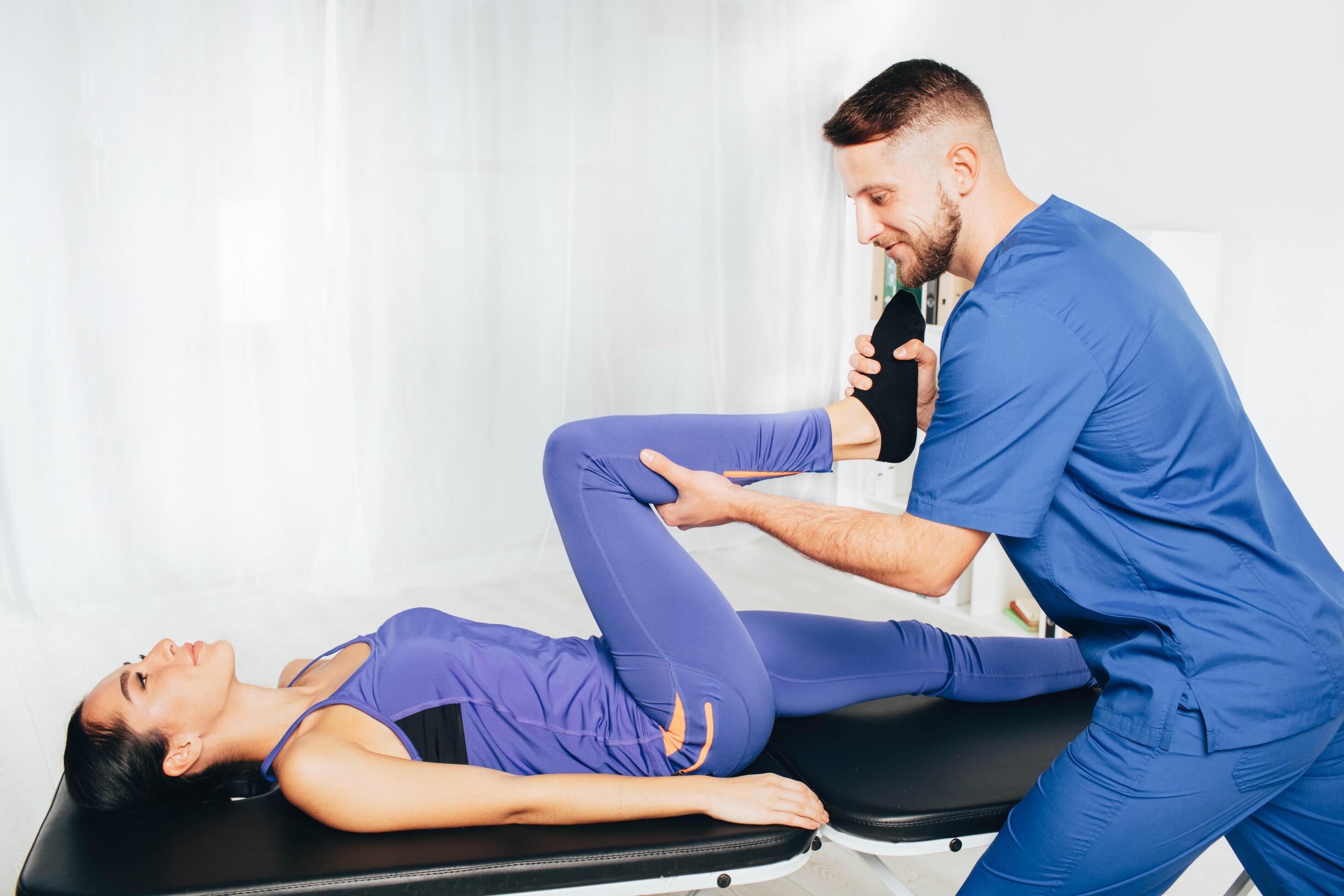
A physical therapist assesses where the mobility restriction actually is and what is driving it before deciding how to address it.
- Manual therapy and joint mobilization restore range at the joint level that stretching cannot access.
- Dry needling addresses deep muscle tension and trigger points contributing to restricted movement.
- Soft tissue work improves tissue quality around old injury sites that have stiffened.
- Therapeutic exercise then builds active control through the restored range.
This is the step that makes mobility gains stick. An athlete who gets range restored through manual work but does not build strength through that range loses it again quickly. The nervous system only accepts a range it can control.
How Mobility Affects Athletic Performance
Restricted mobility in one area changes how the whole body moves during athletic activity.
A hip that cannot fully extend during running forces the lower back to compensate on every stride. A shoulder that loses internal rotation changes the mechanics of every throw, push, and pull. An ankle with limited dorsiflexion changes how the knee tracks during squatting, landing, and cutting.
These restrictions do not just limit performance. They load adjacent structures in ways that accumulate over a season and eventually produce injuries that feel unrelated to the original mobility problem.
Sahuarita athletes training consistently with unaddressed mobility restrictions are not just leaving performance on the table. They are building toward the next injury without realizing it.
What Changes With Better Mobility
Deeper squat mechanics without compensating at the lower back. A throwing motion that uses the full kinetic chain rather than protecting a restricted shoulder. A sprint that drives fully through hip extension rather than cutting it short. A landing that absorbs force properly rather than stiffening through a restricted ankle.
These are not marginal gains. For athletes in Sahuarita who train and compete regularly, the difference is between a body that holds up through a full season and one that keeps producing the same limitations and the same injuries.
Getting the Right Work Done
If mobility restrictions have been limiting performance or contributing to recurring problems, contact Modern Medicine of Northwest Tucson, AZ to schedule a physical therapy evaluation.