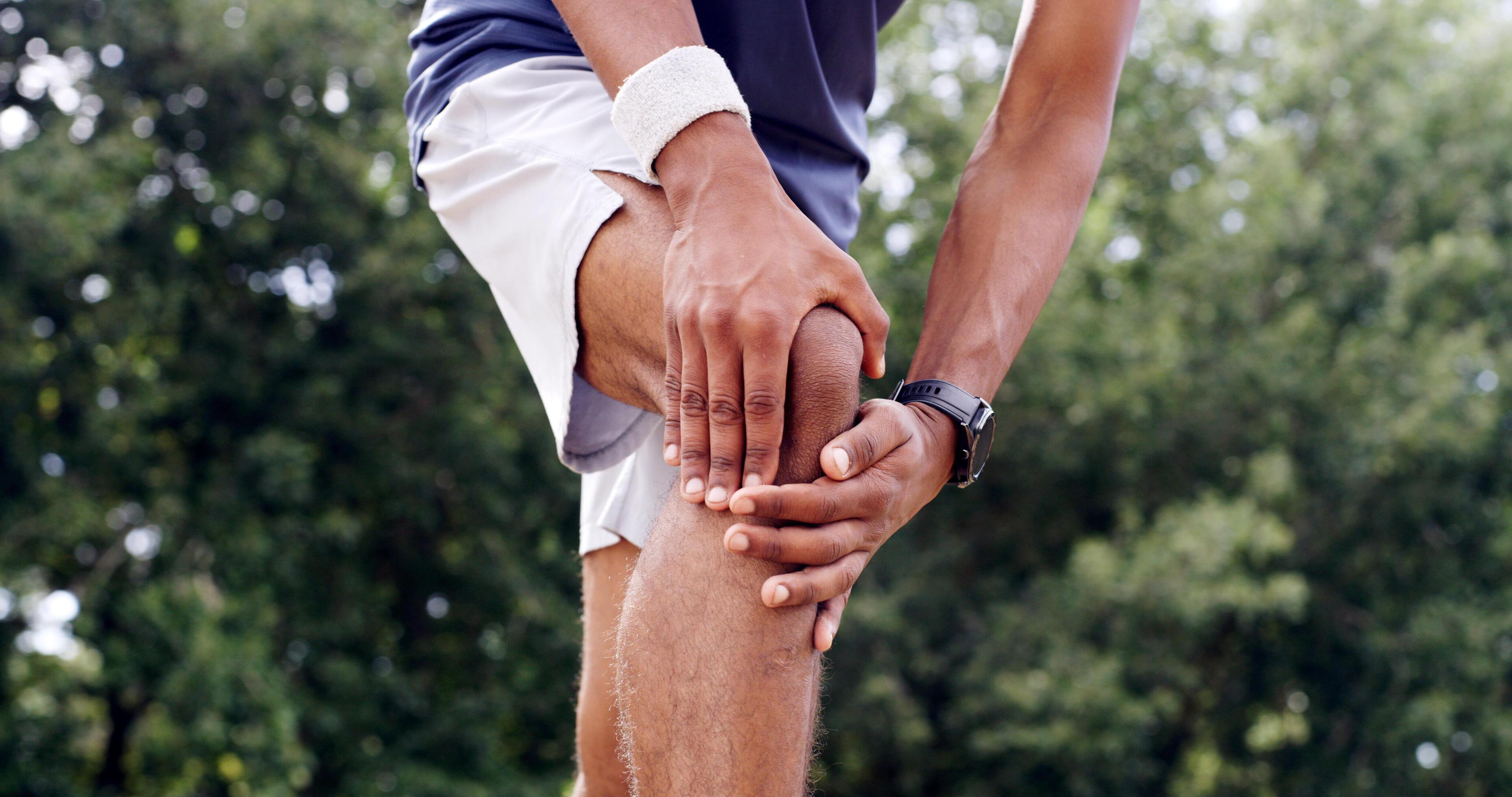
Not every sore knee is a red flag. General soreness after a hard session that fades by the next day. Mild stiffness that loosens once you warm up. A little ache that stays the same week to week and does not change how you move. These are usually just the normal cost of training hard, and they tend to settle with smart load management and recovery. The line gets crossed when the knee starts doing things that are not just soreness.
The Signals That Mean Stop
A few knee signals override the tough-it-out instinct. See a doctor when you notice:
- The knee giving out or buckling, like it will not hold under you
- Catching, locking, or a feeling that something is stuck when you bend it
- Swelling that keeps coming back after activity
- Pain that is showing up earlier in each session than it used to
- A sharp, specific pain in one spot rather than general soreness
- Anything that is making you change your form to avoid it
These are not normal training aches. They point to something mechanical or structural that grinding through tends to make worse, not better.
Why Pushing Through Backfires Here
Here is the athlete trap. A knee that buckles or catches usually means something inside is not moving right, a ligament that is not holding, a meniscus that is catching, or a tracking problem. Keep loading it hard, and the small issue gets bigger. Worse, you start compensating, shifting load to the other leg or changing your mechanics, which spreads the problem to new places. What could have been a few weeks off becomes a season.
Why Seeing Someone Early Pays Off
Catching a knee problem early gives you options. The cause gets found before compensation muddies the picture. The fix is usually simpler. And you often keep training in some form while it is handled, instead of a full shutdown later. A sports medicine approach is built for this, getting you back to your sport without the issue snapping back the moment you return.
What That First Visit Looks Like
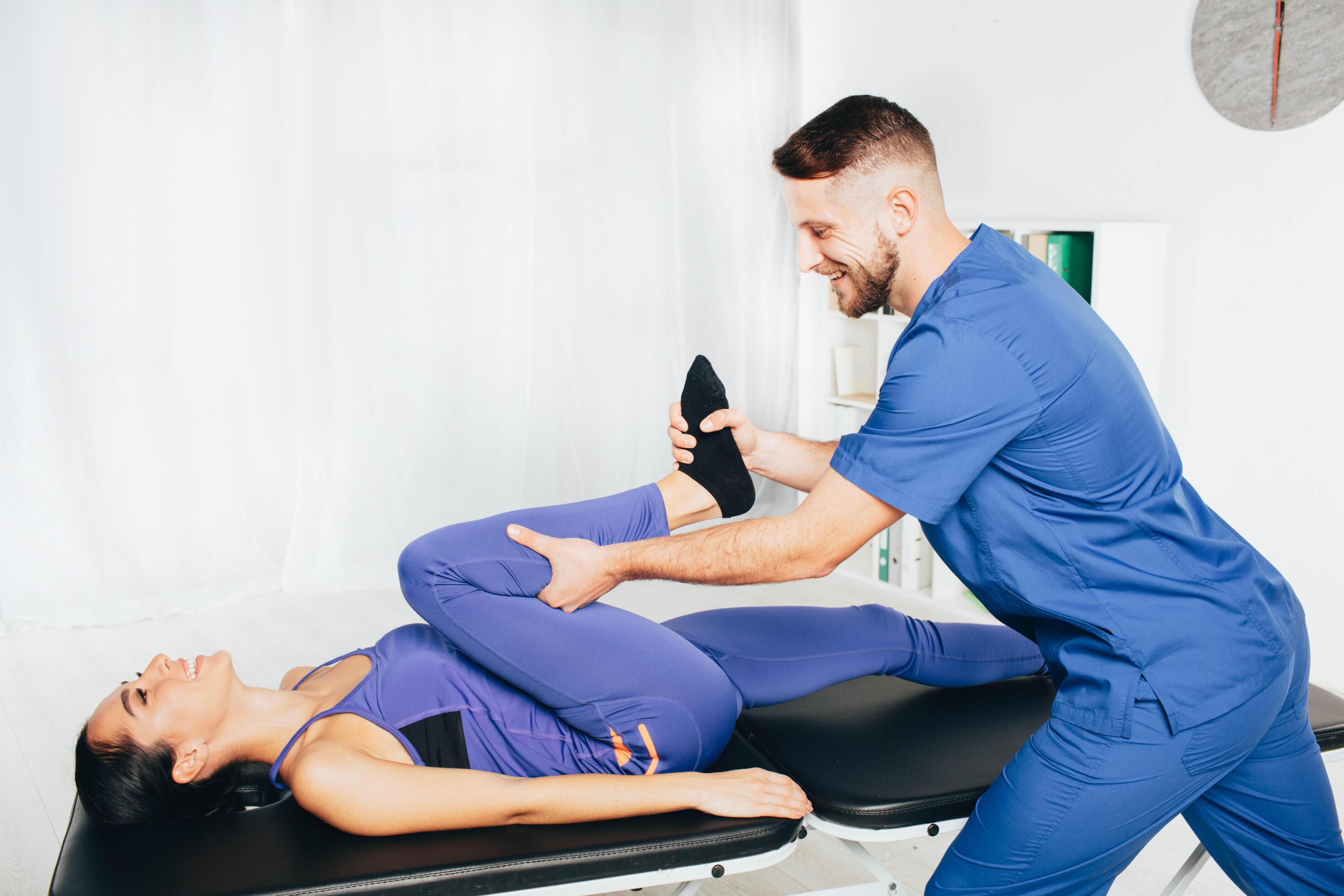
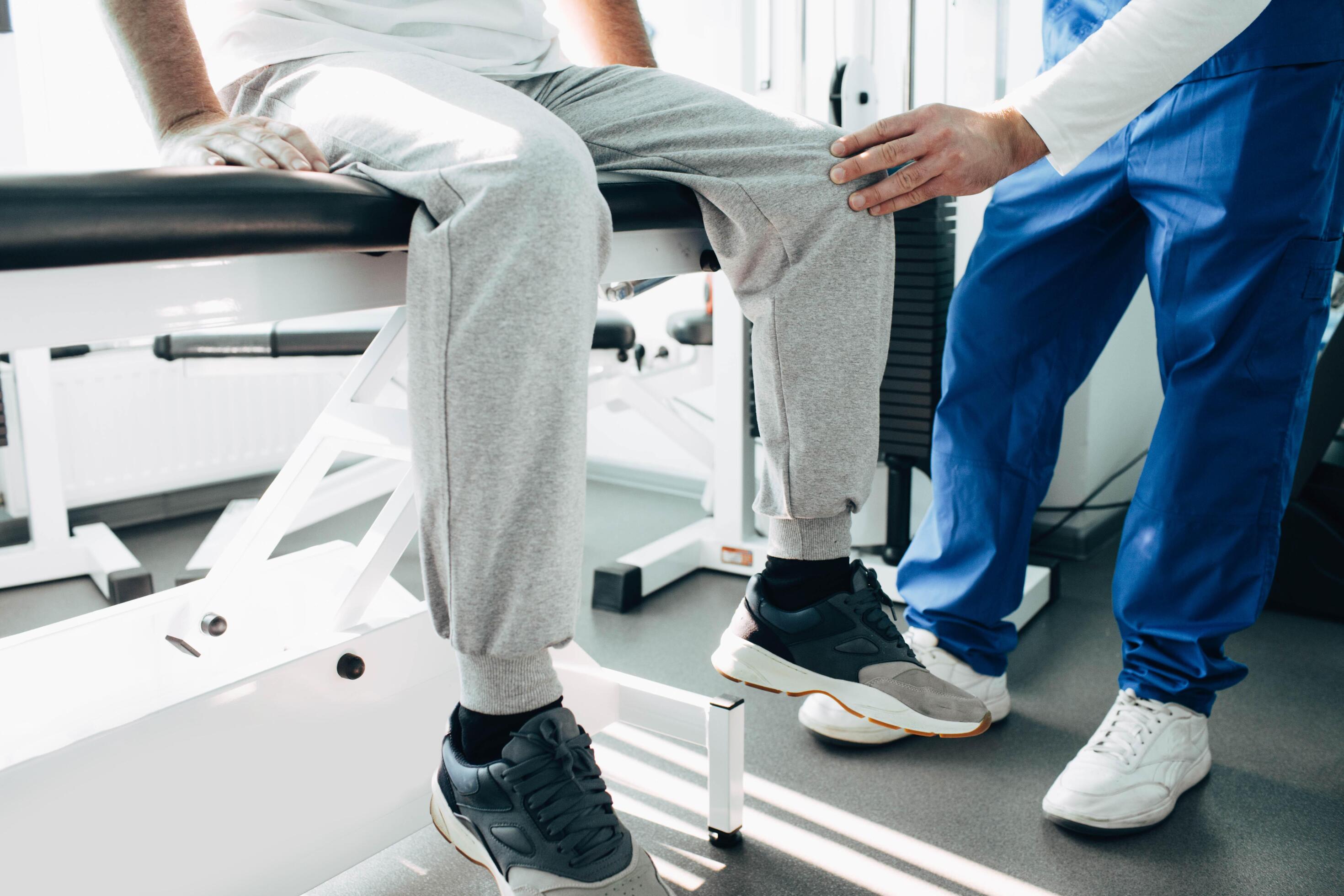
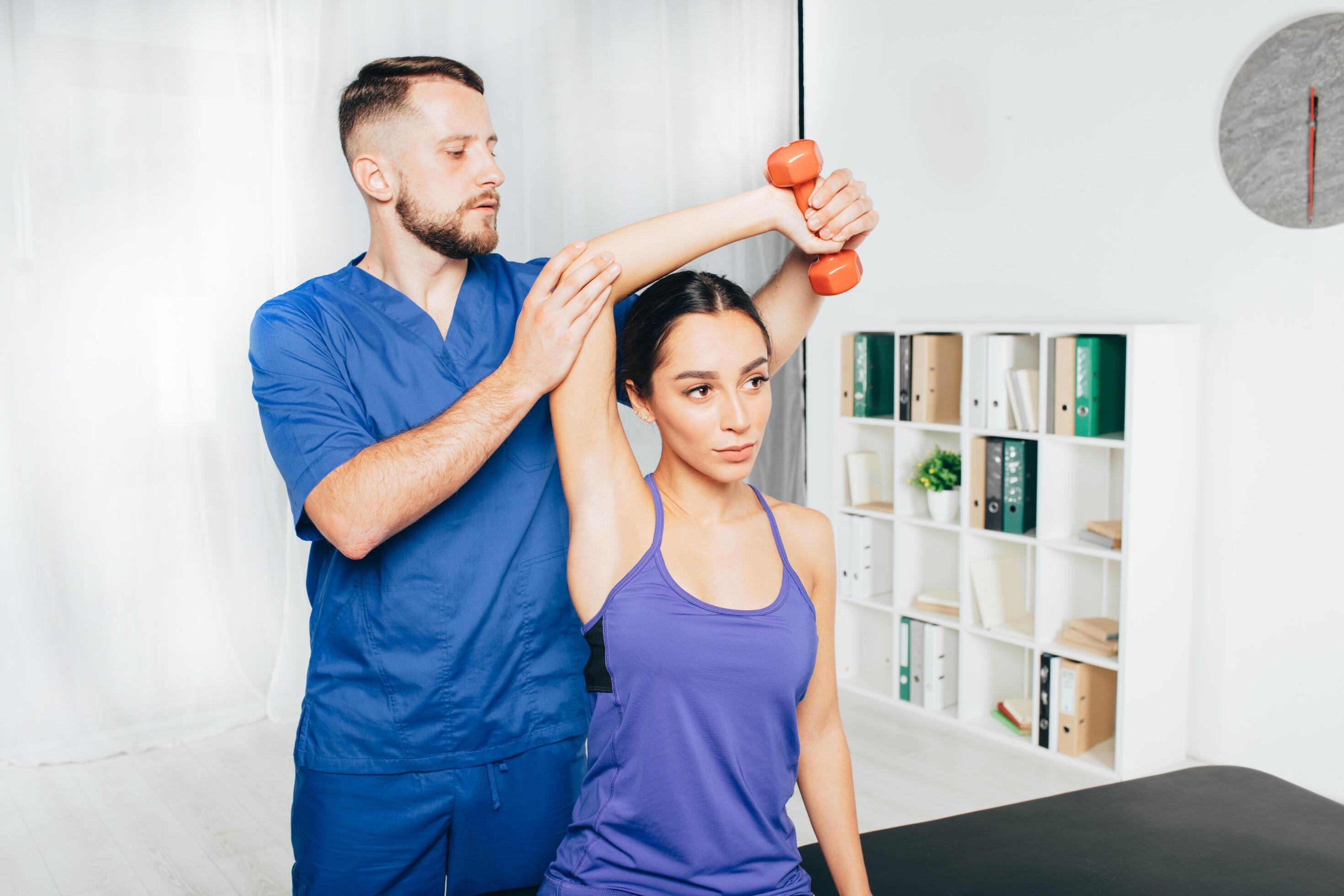
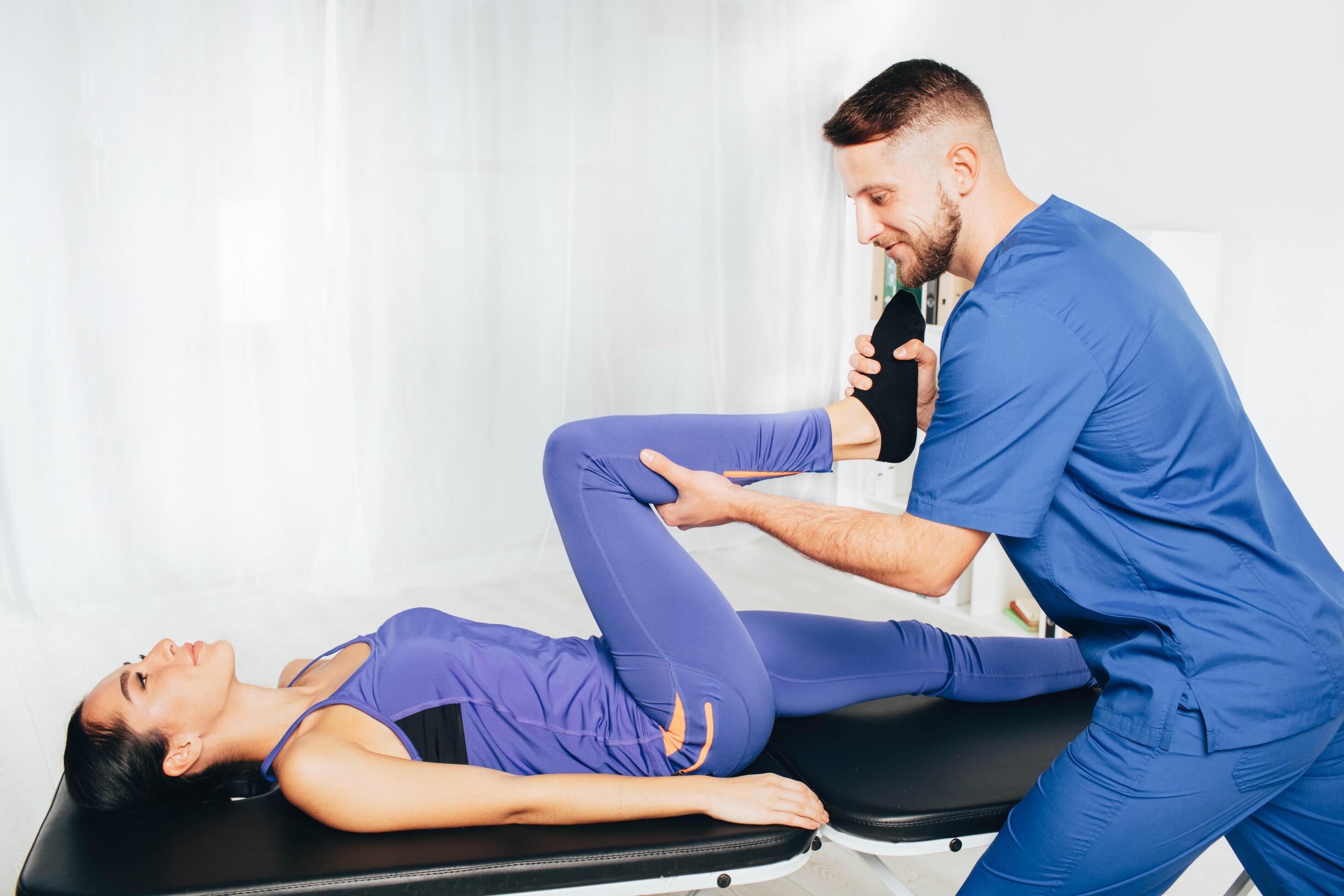
It starts with how the knee behaves, when it hurts, what sets it off, and what you are trying to get back to. Then they watch you move, since the way you load the knee usually reveals more than the sore spot does. The source often sits up the chain too, with weak hips behind a knee that collapses inward. From there, you get a plan and a clear read on what you can and cannot train on.
If your knee is buckling, catching, or swelling, and you are tempted to push through, the team at Modern Medicine of Northwest Tucson, AZ, can take a look before it turns into a long layoff. Booking a visit takes one phone call.