Balance and Coordination Are Not the Same Thing
Balance is staying upright. Coordination is moving with the right muscles firing in the right order at the right time. Different problems. Different causes. Often showing up together in the same person.
A stumble on uneven ground is balance. Movements that feel off, effortful, or poorly timed without a clear reason are coordination. Both get worse without specific work and both tend to get blamed on age when something more specific is usually behind them.
What Is Actually Behind It
That ankle that rolled a few years ago and felt fine after a couple weeks. It is probably still sending inaccurate position signals. The brain is working with bad data every time that foot hits the ground.
Weak hips mean the corrective response to a stumble arrives late. Not dramatically late. Just late enough. The vestibular system loses accuracy with age and after certain illnesses or injuries. Muscle inhibition patterns from old injuries change how the nervous system organizes movement in ways that feel subtle until they do not.
Deconditioning does its own damage quietly. These systems need to be challenged regularly to stay reliable. A long stretch of reduced activity and they slip without anyone noticing until something makes it impossible to ignore.
What Physical Therapy Does
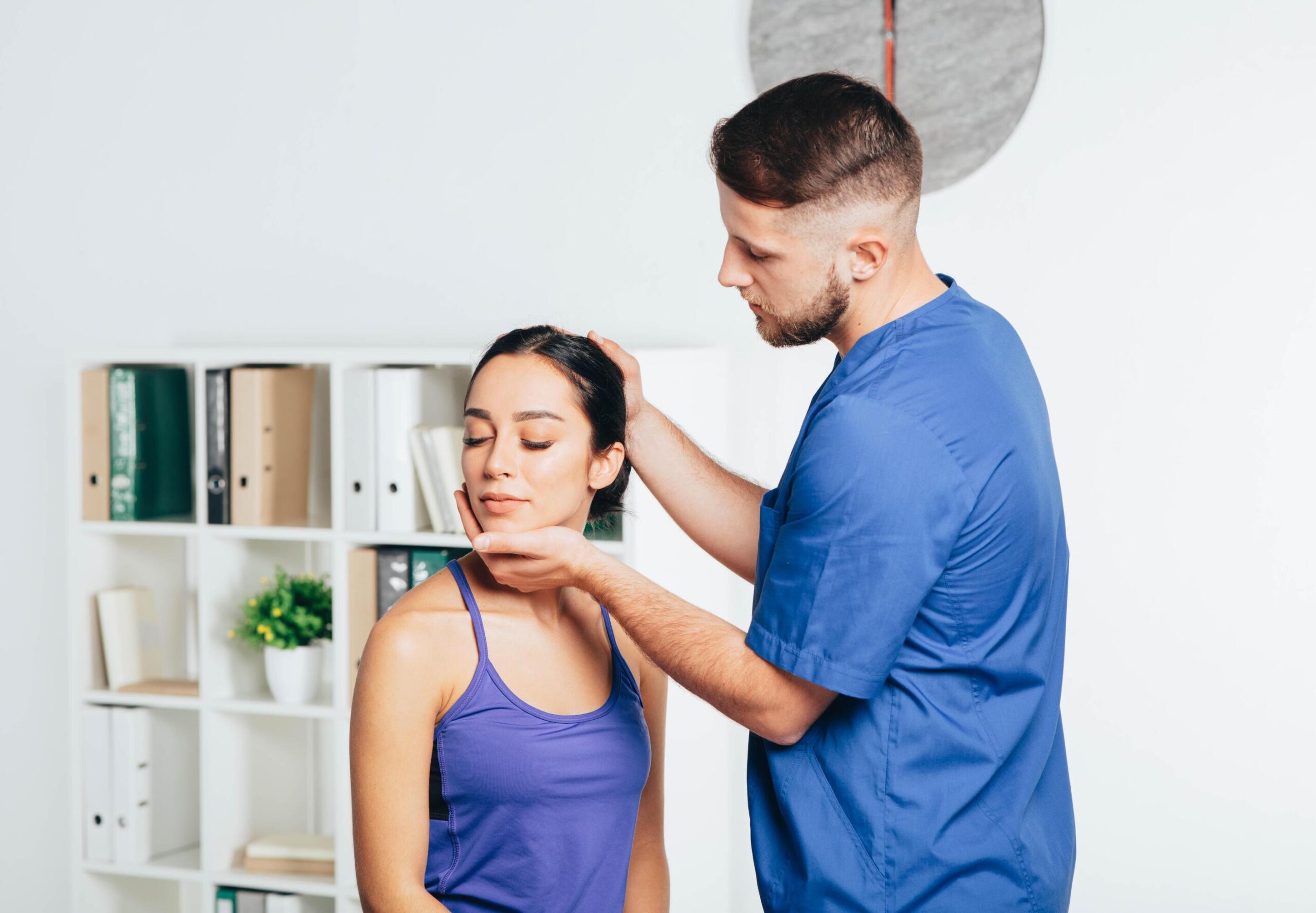
A proper assessment finds where the system is actually breaking down. That is the part most people skip.
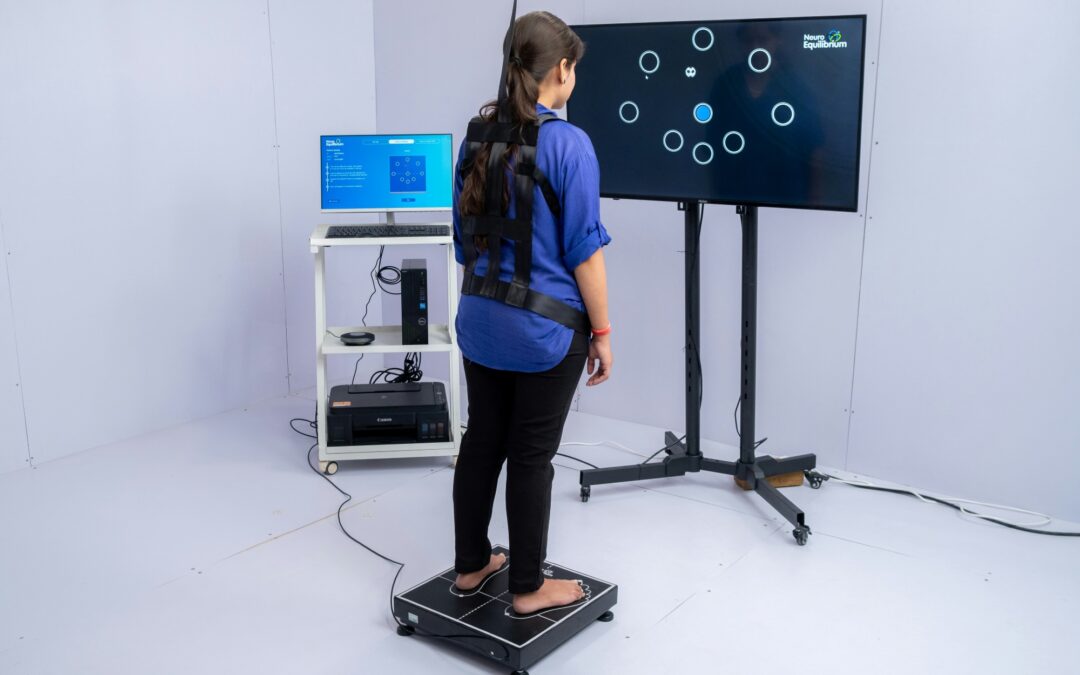
Strength testing. Joint mobility. Vestibular function. How the body responds when balance gets challenged without warning. Each finding points somewhere specific. Weak hip abductors slowing the corrective response. An inner ear not tracking position accurately. A joint that lost sensory function after an old injury and never got it back.
The plan gets built around those findings. Not around a general balance category.
What the Work Builds Toward
Early sessions are controlled. Weight shifting. Different surfaces. Narrower base of support. The goal is finding the weak point clearly so the program can target it.
Later sessions get harder and more realistic:
- Reaching and turning while standing without losing position
- Moving across uneven ground and changing gradients
- Carrying something while walking through the house
- Reactive drills that force a quick response to an unexpected push or stumble
Desert terrain, outdoor steps, uneven paths. The late phase of rehab needs to look like those situations or the gains made in the clinic do not transfer where they are needed most.
Who Should Be Doing This Work
Older adults whose hesitation before certain movements has been creeping up. People coming out of surgery or a long illness who lost more than they expected. Anyone managing a neurological condition that affects movement. Active adults in their fifties who feel less steady than they used to.
Also anyone who has already fallen and still has not figured out why.
Taking the Next Step
These problems do not level off on their own. The strength drops a little more. The hesitation spreads to more situations. Getting ahead of it now is a lot easier than catching up to it later.
Reach out to Modern Medicine of Oro Valley, AZ to book a physical therapy evaluation and see how we can help.