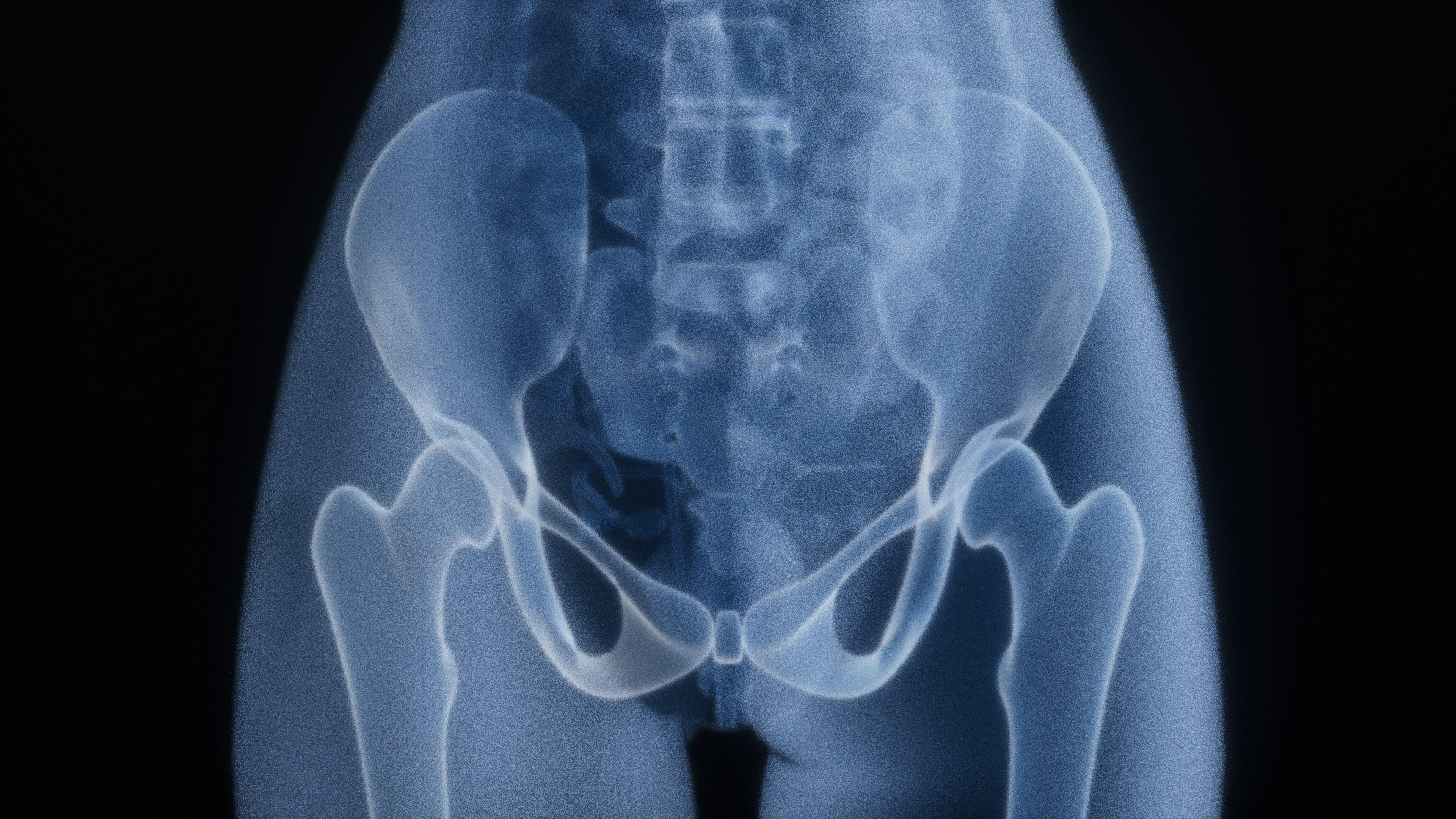
Chronic hip pain has a way of limiting more than you'd expect. The hip is central to almost everything, walking, sitting, standing, climbing stairs, so when it aches, it touches your whole day. The good news is that a lot of chronic hip pain responds well to non-surgical care, and there's a real range of options before anyone talks about a procedure. Knowing what's in that playbook helps you understand your choices.
Why the Hip Responds Well to Conservative Care
The hip is a big, strong joint surrounded by large, powerful muscles. That matters, because a lot of what goes wrong with a hip involves those muscles and how the joint is loaded, rather than something only surgery can fix.
Weak glutes, tight hip flexors, poor mechanics, muscle imbalances, all of these cause real hip pain and all of them respond to conservative treatment. Even when there's some wear or a structural issue in the joint, strengthening and improving how the hip moves often reduces the pain significantly. The muscles have a lot of influence over how the joint feels.
What Causes Chronic Hip Pain
Understanding the options starts with the common sources:
- Arthritis, where the joint cartilage has worn over time
- Tendon problems around the hip from overload
- Bursitis, irritation of the cushioning sacs around the joint
- Muscle imbalances and weakness that load the joint poorly
- Referred pain, where the hip pain actually originates in the lower back
That last one matters. Some hip pain isn't a hip problem at all, which is why a proper assessment looks at the whole picture rather than assuming.
The Non-Surgical Options
Here's the actual playbook a clinic works from:
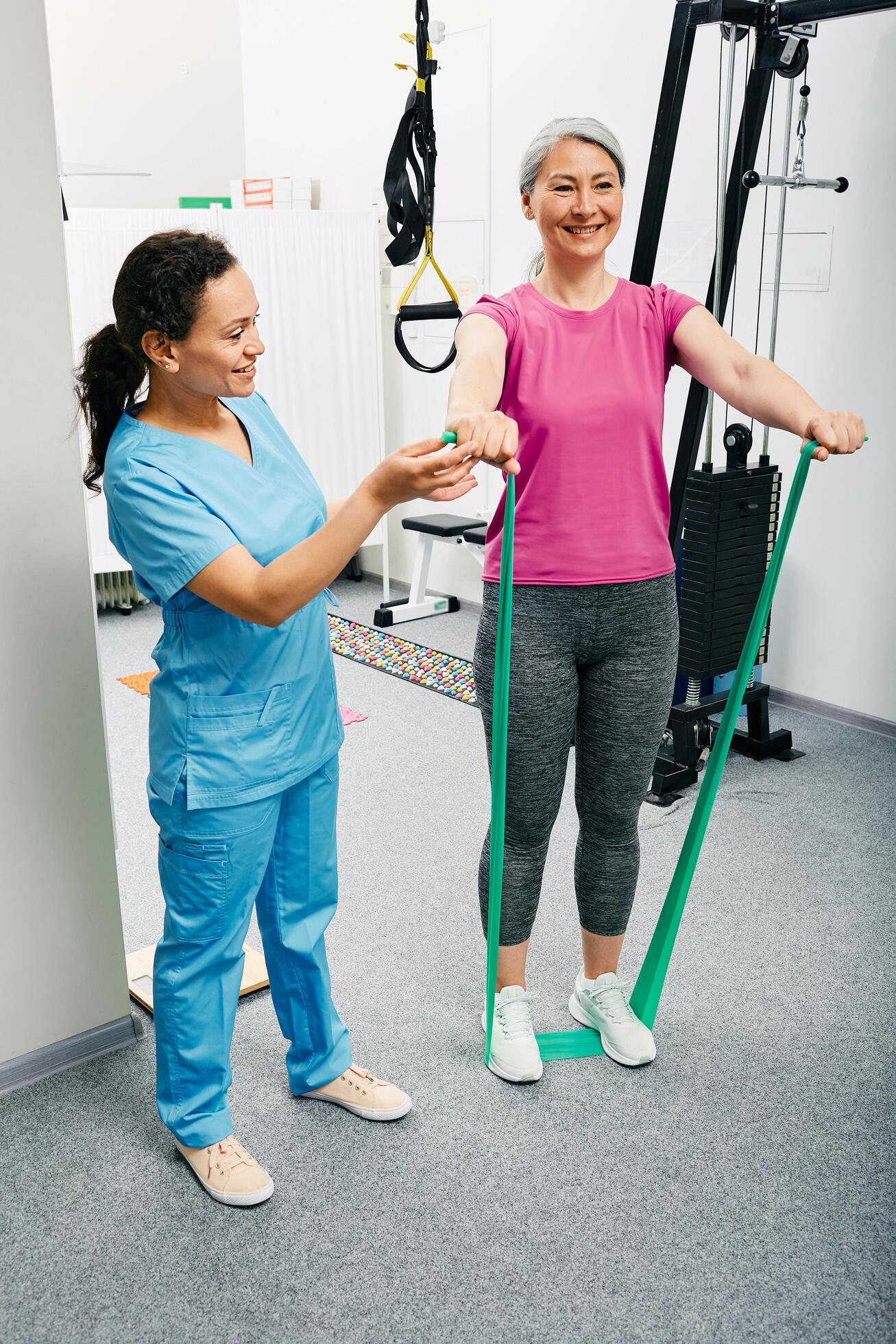
- Strengthening the glutes and hip muscles so the joint is supported and loaded well
- Hands-on therapy to loosen tight muscles and restore the hip's mobility
- Stretching the hip flexors and surrounding muscles that pull the joint out of balance
- Movement retraining to fix mechanics that stress the hip
- Injections when inflammation in or around the joint needs more than exercise can settle
The strengthening and mobility work do the heavy lifting. A hip that's strong, mobile, and well-balanced takes far less strain, which is what brings chronic pain down and keeps it down.
How a Clinic Builds Your Plan
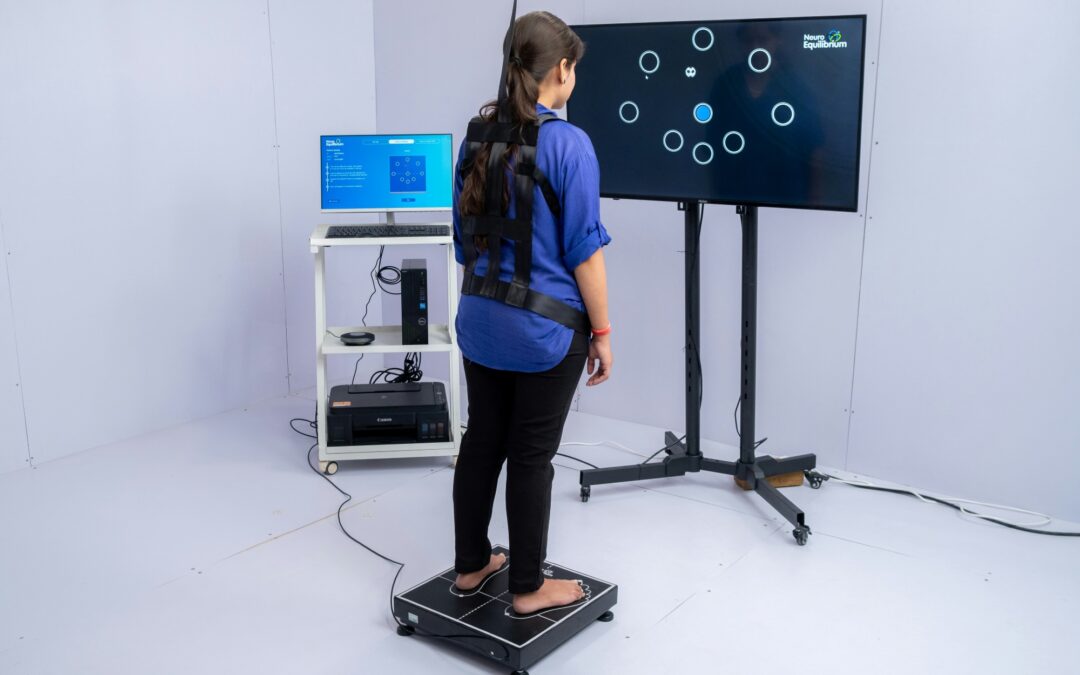
The key is that these options get combined based on what's actually driving your pain. A hip aching from weak glutes and tight flexors needs a different emphasis than one with arthritis or a tendon problem. A clinic assesses the cause, watches how you move, and builds a plan pulling from the playbook to fit your specific hip.
When Surgery Comes Up
Some hip problems do warrant a surgeon, advanced arthritis worn past what conservative care can help, or certain structural issues that haven't responded. But those are the minority, and starting with conservative care usually makes sense, since it resolves so much chronic hip pain on its own.
If chronic hip pain has been wearing on you, come see the full range of what can help at Modern Physical Therapy & Sports Medicine of Oro Valley, AZ. Give us a call to get started.