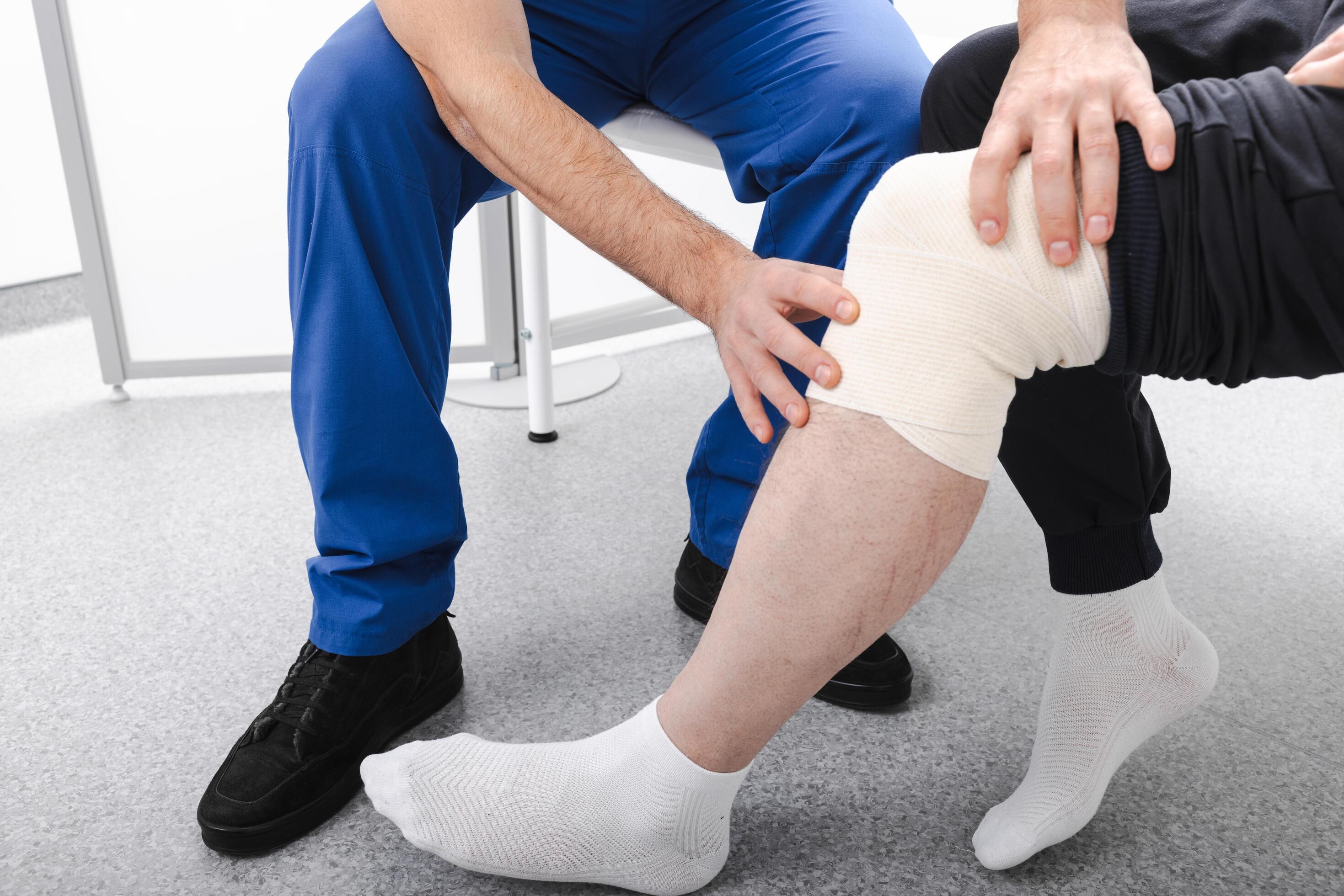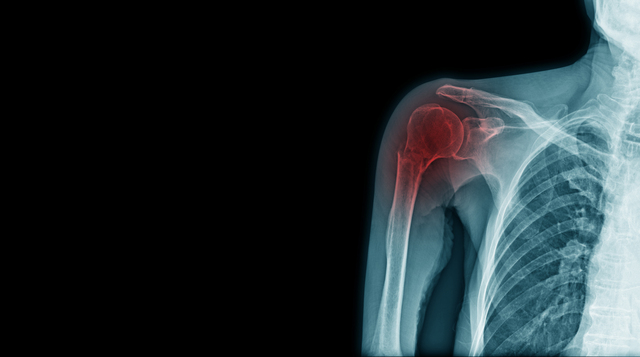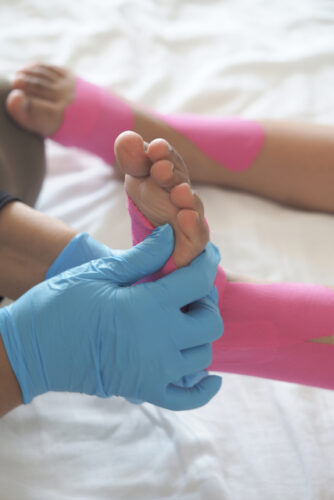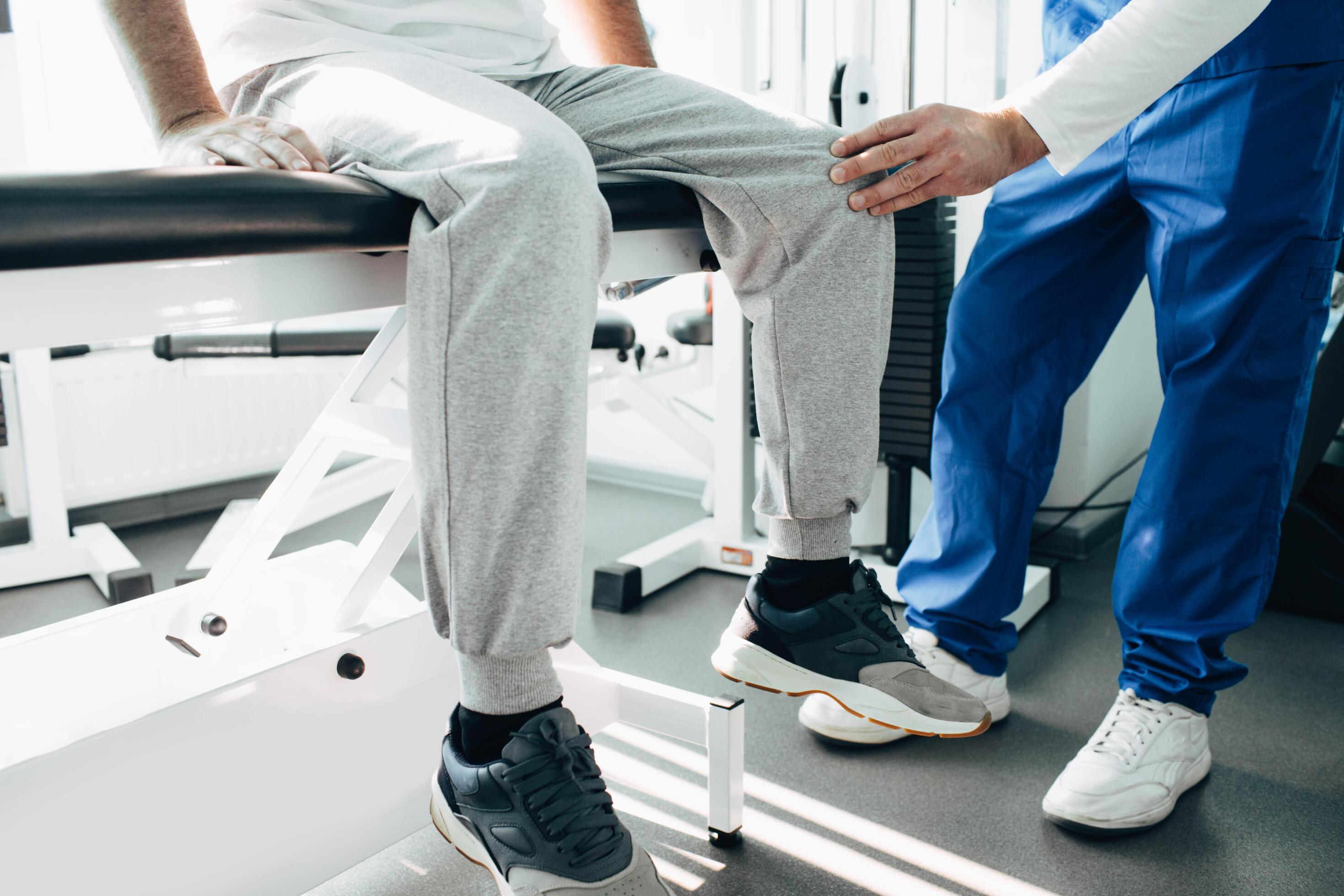
Most of how fast you recover from an injury is decided early. Sooner than people think. The first few days to the first week set the trajectory, and a lot of slow recoveries were slow because that early window got wasted. By the time someone finally seeks help weeks later, they’re often digging out of a hole that didn’t need to exist.
That’s the case for getting in early, and it’s where a sports medicine clinic does some of its most useful work.
Why the Early Window Matters So Much
Right after an injury, a few things are happening at once. The tissue is in its most reactive state. Swelling is setting in. And your body is already starting to compensate, shifting load off the hurt area and onto everything around it.
Handle that window well, and you keep the whole thing on track. Get the diagnosis right, calm the area without shutting it down completely, and start the right movement at the right time. Mishandle it, by either freezing the area solid or pushing through as if nothing happened, and you add problems that take weeks to undo later. The injury itself might have been minor. What grew on top of it while it went unaddressed is often the bigger issue.
What Early Care Actually Does
A sports medicine clinic uses that window deliberately:
- Pinning down what’s actually injured, since treating the wrong thing wastes the whole early period
- Settling the swelling and protecting the area without locking it up
- Starting with gentle, controlled movement before stiffness and weakness set in
- Catching the compensation patterns before they turn into habits
- Mapping out the path back
None of this rushes the biological healing, which has its own clock. What it does is stop you from adding weeks on top of that clock.
Why Waiting Costs You
Here’s what waiting does. Scar tissue builds and locks things down. The muscles around the injury weaken from disuse. Range of motion that could’ve been kept gets lost and has to be fought back. The compensation patterns dig in. Every one of those is fixable, but fixing them takes time that a faster start would’ve saved entirely.
So the irony is that toughing it out and waiting, the thing that feels patient and sensible, is often what stretches a short recovery into a long one.
The Return Still Has to Be Paced
Early care gets you moving, but the comeback itself needs structure too. A return paced through real checkpoints, range first, then strength, then speed, with the area proving itself at each step, is what keeps you from re-injuring and resetting the clock. Fast and rushed aren’t the same thing.
If you’ve picked up an injury and want to recover on a short timeline instead of the long one, Modern Medicine of Peoria, AZ, can get you started while the early window is still open. One phone call books it.