A hip labral tear is one of those diagnoses that sounds alarming and sends people straight to worrying about surgery. It's worth taking a breath, because a lot of labral tears are managed well without an operating room, and manual physical therapy plays a real role in that. Understanding what the tear actually is, and how hands-on care helps, makes the whole thing far less frightening.
What the Labrum Actually Is
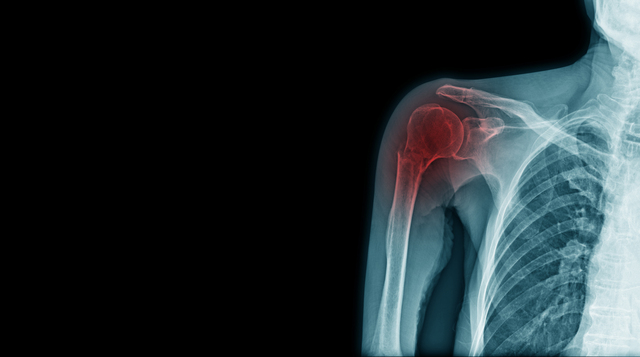
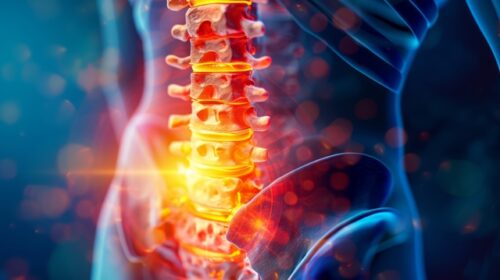
The labrum is a ring of cartilage lining the rim of your hip socket. It helps deepen the socket, keep the joint stable, and cushion the ball of the hip as it moves. When it tears, from a specific injury, from repetitive motion, or from the shape of the hip putting extra stress on it, you can get hip or groin pain, catching or clicking, stiffness, and a hip that just doesn't feel right.
Here's some perspective. Labral tears are common, and plenty of people have them without significant symptoms. So a tear on a scan doesn't automatically mean a big problem or an automatic surgery. What matters is your symptoms and function.
How Manual Therapy Helps
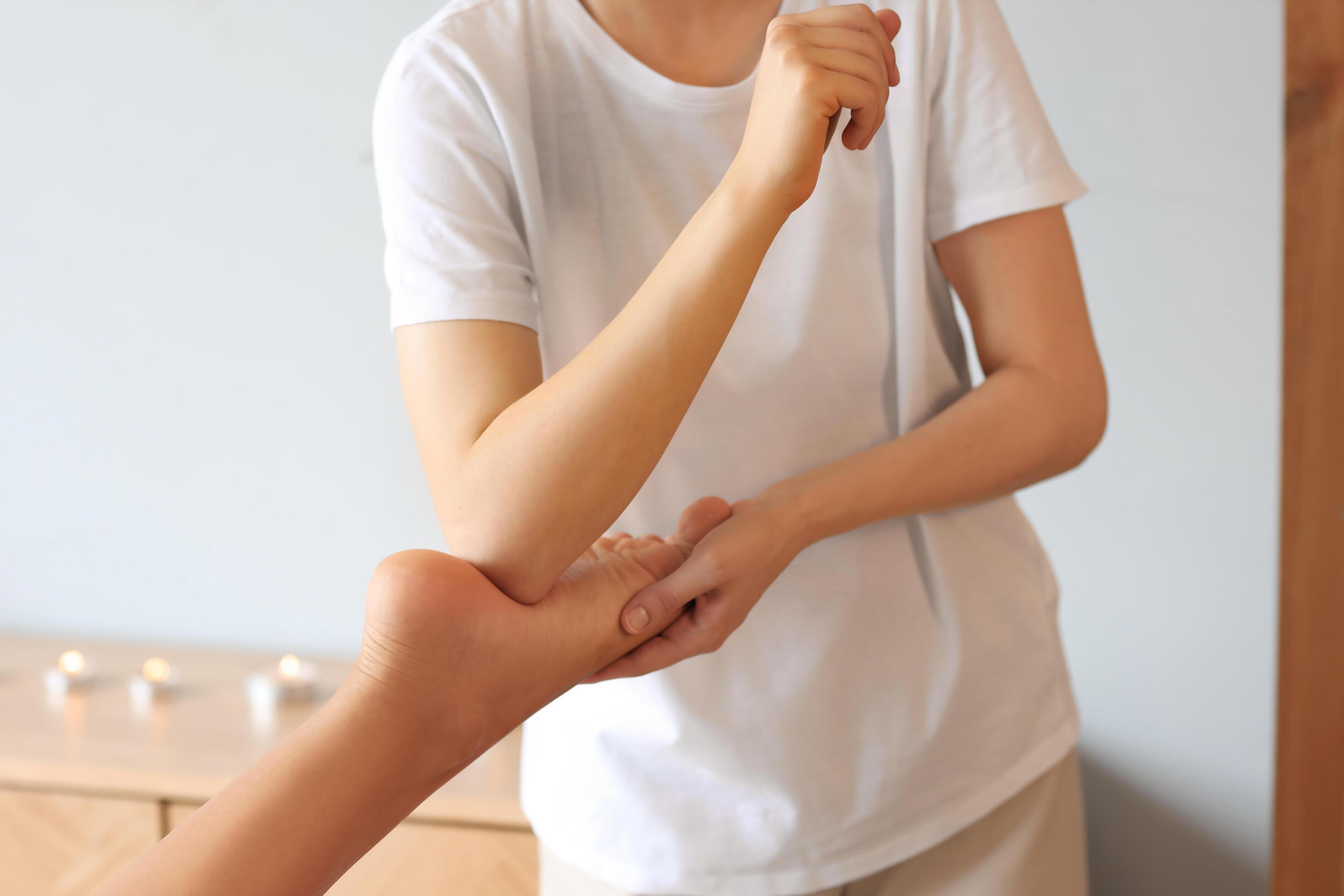
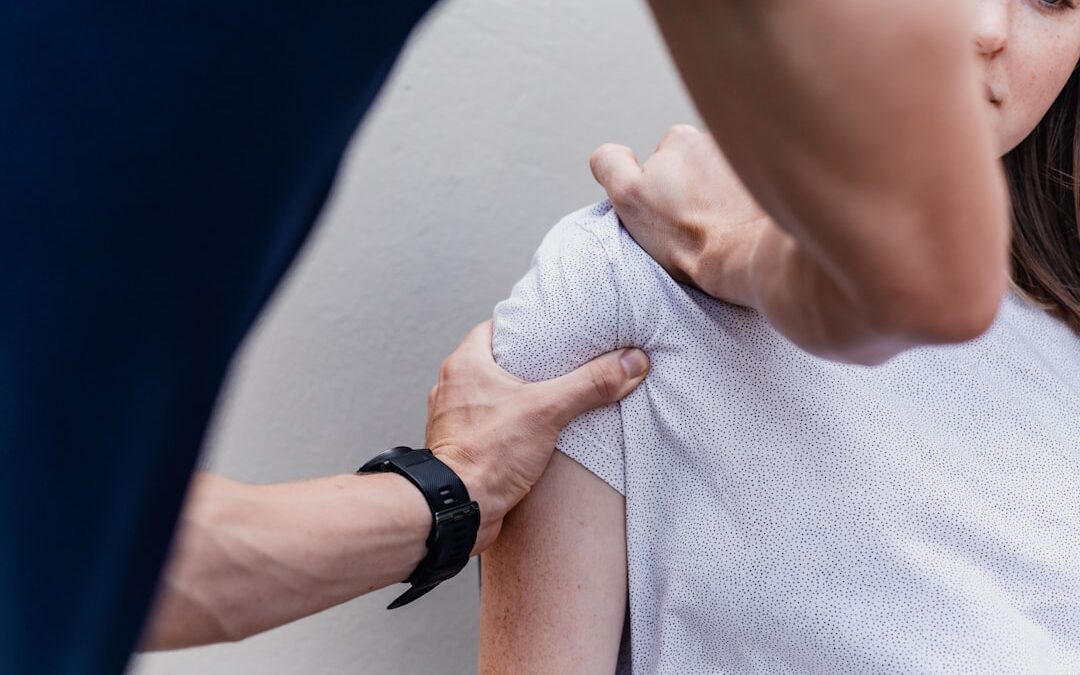
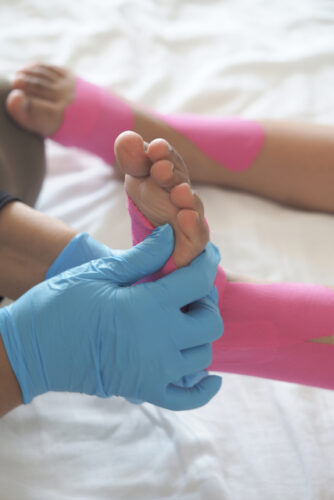
This is where hands-on care comes in. Manual physical therapy can't stitch the labrum back together, but it can address a lot of what's actually causing your pain and improve how the hip works:
- Loosening the tight muscles around the hip that add compression and stress to the joint
- Restoring mobility to a hip that's stiffened up and moving poorly
- Easing the muscle guarding that builds up around a painful joint
- Improving how the hip joint glides and moves within the socket
- Reducing the strain on the labrum by improving the mechanics around it
A surprising amount of the pain attributed to a labral tear actually comes from the tight, guarded, poorly moving tissue around it. Hands-on work addresses that directly, which often brings real relief even with the tear still present.
Why Strengthening Comes With It
Hands-on work opens the door, and strengthening keeps it open. The muscles around the hip, especially the deep stabilizers and the glutes, control how the joint moves and how much stress lands on the labrum. Building those up takes lasting pressure off the tear and stabilizes the joint. Manual therapy and strengthening together is what makes the improvement hold.
When Surgery Comes Up
Some labral tears do warrant surgical consideration, particularly when there's a structural issue with the hip's shape driving the tear, or when a fair run of conservative care hasn't helped. But given that many tears respond well to conservative treatment, starting there usually makes sense before considering a procedure.
When to Get It Looked At
If you've got hip or groin pain that won't settle, if the hip catches or clicks, if it feels stiff or unstable, or if you've been told you have a labral tear and want to understand your options, come get it checked.
If a hip labral tear has you worried, come see what hands-on care can do at Modern Medicine of Peoria, AZ. Give us a call to get started.