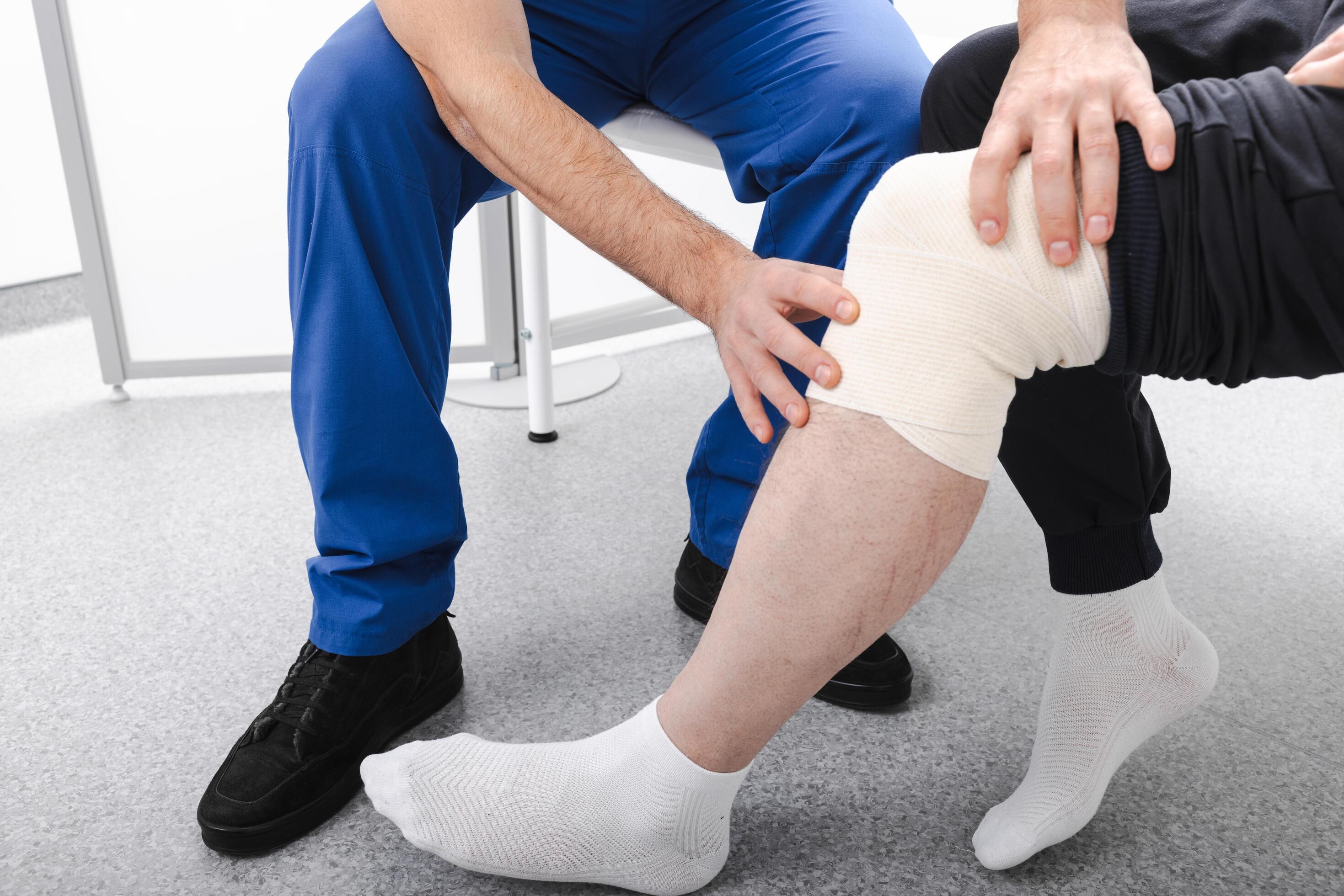
The Surgery Is Half the Story
Surgeons fix the structure. A torn ligament gets reconstructed. A damaged disc gets addressed. A joint gets replaced. That part is done in a few hours.
What happens over the next several weeks determines whether the outcome is actually good. Strength comes back, or it does not. Movement patterns get restored, or they do not. The body relearns how to function around the repaired area, or it compensates in ways that cause new problems.
That is the part physical therapy handles. And it matters just as much as what happened in the operating room.
What the First Appointments Actually Look Like
Early appointments are about assessment, gentle movement, and starting to wake up the tissue and muscle around the surgical site.
Your therapist is watching how you move, where things are guarded, and what the starting point actually is. Two patients with the same procedure can present completely differently two weeks out. One is ahead of schedule. One is struggling with a basic range of motion. The plan has to start where the patient actually is.
Swelling management runs through the entire early phase. A joint or surgical site that stays swollen inhibits muscle activation and slows everything else down.
How Things Progress
Once the early inflammation settles and basic movement returns, the work gets harder.
Strength becomes the focus. Progressive loading through the repaired area in a controlled way. Balance and coordination work. Movements that start to resemble real life rather than isolated exercises on a table.
Later sessions are about function. Getting in and out of a car. Stairs. Carrying things. Walking longer distances. For active Glendale patients, it might mean returning to recreational sports, a physical job, or just being able to keep up with kids or grandkids without the surgical site being the limiting factor.
Progress after surgery is not linear. A harder day can bring swelling back. A session that felt fine can leave things sore the next morning. That is healing. It is not a reason to slow down entirely, just a reason to communicate with the care team about what is happening.
What Patients Worry About
A few things come up in almost every post-surgical case:
- Whether the pain during sessions is normal or a warning sign
- How long before driving, working, or returning to sport is realistic
- What to do on the days between appointments to keep progress moving
- Whether the outcome will actually be as good as before surgery
These are fair concerns and they deserve straight answers. A good therapist gives them. Understanding the process makes it easier to stay consistent when things feel slow or uncomfortable.
If you have had surgery and are looking for physical therapy in Glendale,contact Modern Medicine of Peoria, AZ to set up an evaluation and build a recovery plan that actually gets you where you need to go.