Common Causes Of Hip Pain
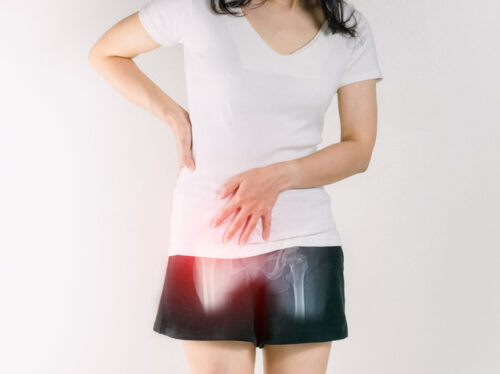
Hip pain does not always mean the joint is “bad.” It can come from a few places, and the location of the pain often gives clues. A deep ache in the groin can feel different than a sore spot on the outside of the hip. Age can raise the chance of wear in the joint, but flare-ups often follow real-life changes, like more walking, a new workout plan, or weeks of extra sitting.
- Hip arthritis: Deep ache and stiffness, worse after sitting
- Tendon irritation: Side hip pain, sharper on stairs or longer walks
- Hip impingement: Front hip pinch when bending or getting out of low seats
- Labral irritation: Catching feeling with pivoting or stepping into a car
- Referred pain from the low back: Hip pain paired with back tightness
- Muscle strain: Soreness after a new workout, sprint, or heavy lift
Non-Surgical Options That Can Lower Hip Pain
Conservative care aims to get you through the day with less pain, then build the hip back up so it tolerates normal load. Think about the things you need to do, like grocery runs, driving, stairs, and standing in the kitchen. Treatment choices should match those goals. Your plan may start with small changes that calm the hip, then shift into work that makes walking and daily movement feel steadier again.
- Activity changes: Short-term swaps like flatter walks and higher seats
- Medication guidance: Anti-inflammatory options when safe for you
- Injection options: Targeted injections in select cases to calm pain and confirm the source
- Mobility work: Restores hip motion so you stop compensating through the back
- Strength training: Builds glutes and deep hip support for steadier walking
- Movement coaching: Improves sit-to-stand, step-ups, and lifting form
- Home plan: Simple drills you can repeat between visits to keep momentum
When You Should Seek Urgent Medical Care
Some hip symptoms need fast medical attention. Go in the same day if you cannot bear weight after a fall, or if the leg looks out of place. Treat fever with hip pain as urgent. Do the same for sudden numbness, new weakness, or severe pain that ramps up at rest. Those signs can point to a serious problem that needs prompt care.
When Surgery May Become The Best Option
Many people improve without surgery, even after months of pain. When does surgery start to make sense? It starts to make sense when walking distance keeps shrinking, sleep stays disrupted, and a full course of conservative care does not change function. Imaging that shows advanced joint damage can also shift the conversation. A surgical consult does not force a decision. It gives you clear options and a realistic timeline.
Schedule A Hip Pain Evaluation
If hip pain is limiting your day in Peoria, take the next step with a plan that starts conservatively. Call Modern Physical Therapy & Sports Medicine of Peoria, AZ or fill out the online form to request an appointment. You will get care that targets the cause, supports daily movement, and builds a path forward you can follow.