What Is Frozen Shoulder?
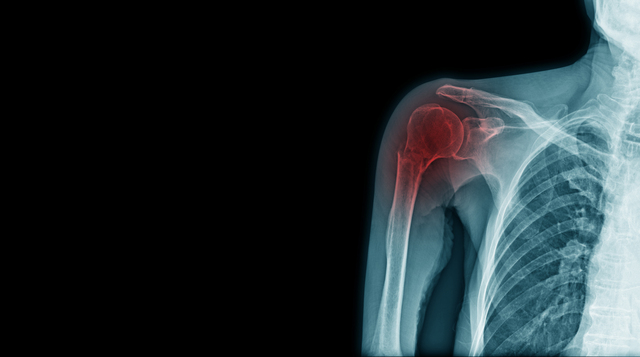
It doesn’t start big. One week, your shoulder’s a little sore. The next, you can barely reach up or back. That’s frozen shoulder, also called adhesive capsulitis. What’s happening inside? The capsule of tissue that wraps around your shoulder joint tightens and thickens. The space inside shrinks. And motion? That slowly disappears too.
It usually follows a pattern. First comes the freezing phase. Things hurt, and range of motion drops. Then the frozen phase kicks in, less pain maybe, but the joint locks up. Finally, the thawing phase begins. Movement starts to return, slowly, sometimes painfully. Without treatment, this can last for many months, and for some, even years.
Who’s at Risk?
Frozen shoulder tends to show up in people over 40. It affects women more often than men. It’s common after injuries or surgeries where the shoulder stays still for too long. Conditions like diabetes and thyroid disorders increase the risk too. But here’s the frustrating part, sometimes it appears without warning or explanation. One day, your arm just won’t move the way it used to.
How Physical Therapy Can Help You Get It Back
The good news? Frozen shoulder responds well to the right kind of movement. Not aggressive, painful stretching. Not pushing through the pain. Instead, smart therapy, paced correctly, is the key.
At Modern Physical Therapy & Sports Medicine of Peoria, AZ, your therapist doesn’t just throw you into exercises. They start by evaluating what your shoulder can and can’t do. They check how much it moves, what hurts, and how your muscles are working around the restriction.
Depending on what stage you’re in, your plan may include:
- Slow, targeted joint mobilization
- Passive movement and assisted stretching
- Soft tissue work and heat to ease restriction
- Eventually, active exercises to build strength once motion improves
Each session builds on the last.
What the Recovery Timeline Actually Looks Like
This isn’t a “get better in five days” type of injury. Recovery is gradual, and it happens in layers. Most people begin with pain relief and motion preservation. Then, as the shoulder loosens, therapy shifts to restoring flexibility and, finally, strength.
Expect your plan to adapt. Some weeks are about holding gains. Others push you forward. Your therapist will track that closely and keep things from going too far, too fast.
With steady care, meaningful improvement often starts within a few weeks.
Why Orthopedic Collaboration Helps
Sometimes, frozen shoulder doesn’t follow the rules. The pain might stay longer than expected. Motion might hit a wall. That’s where orthopedic input becomes valuable. Imaging, anti-inflammatory strategies, or guided injections can help break that stall.
Having both orthopedic and therapy care under the same roof? That makes updates to your plan smoother and faster. No waiting for referrals or outside consults. It’s all aligned.
Don’t Wait and Hope It Just Goes Away
Frozen shoulder rarely fixes itself completely without help. And the longer you let it sit, the more motion you lose. Early intervention works. It protects your joint, shortens recovery time, and helps you get back to moving like you used to.
Recovery plans for frozen shoulder are available now at Modern Physical Therapy & Sports Medicine of Peoria, AZ.