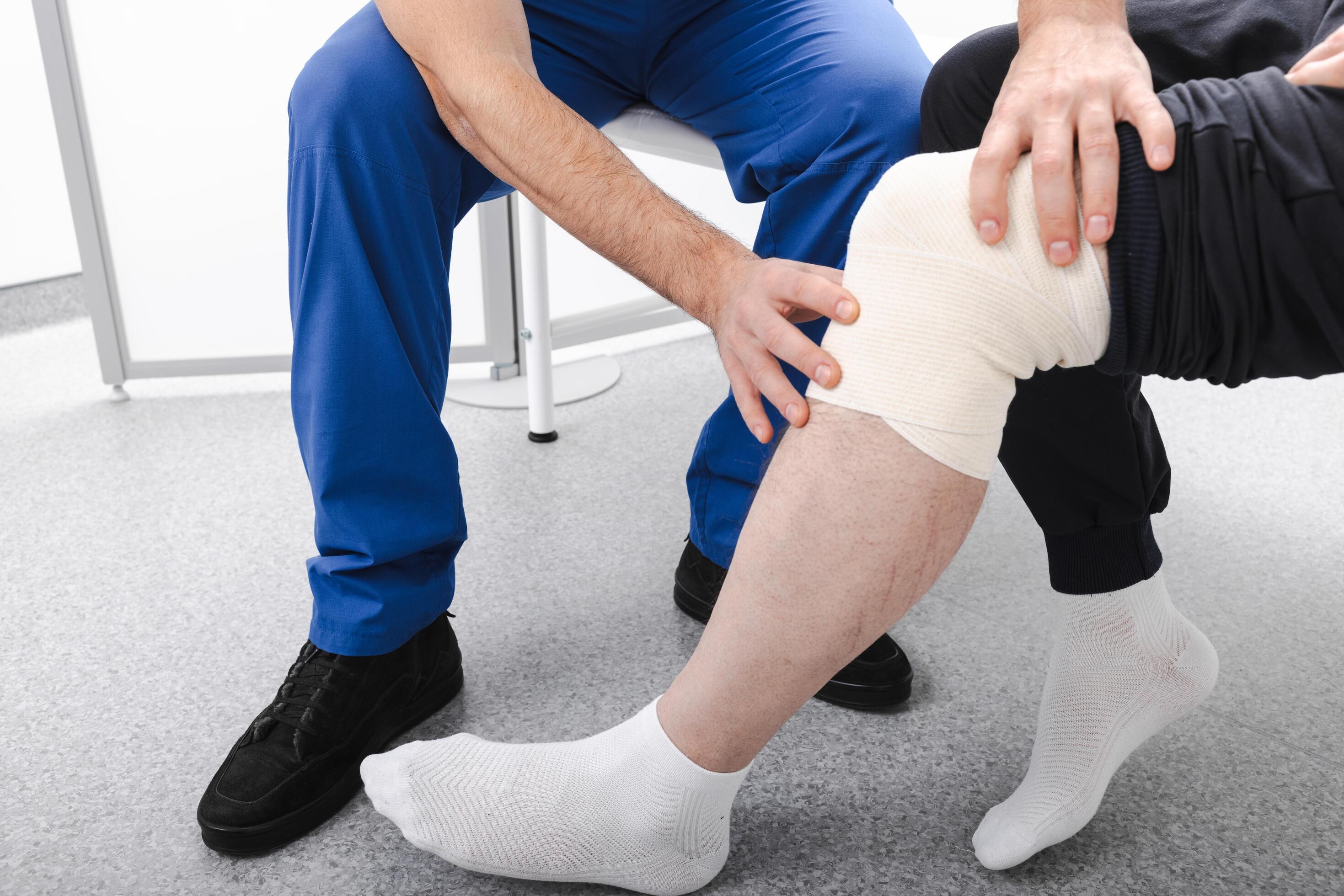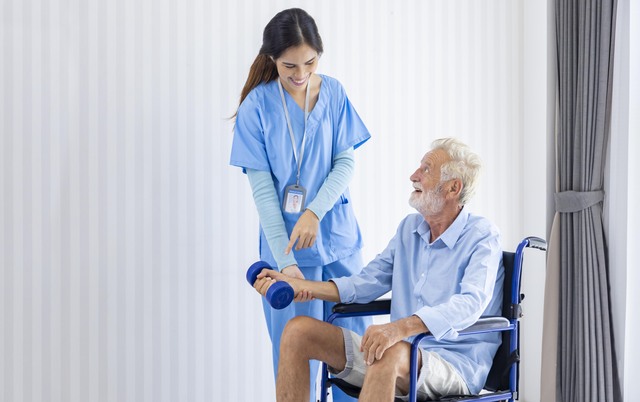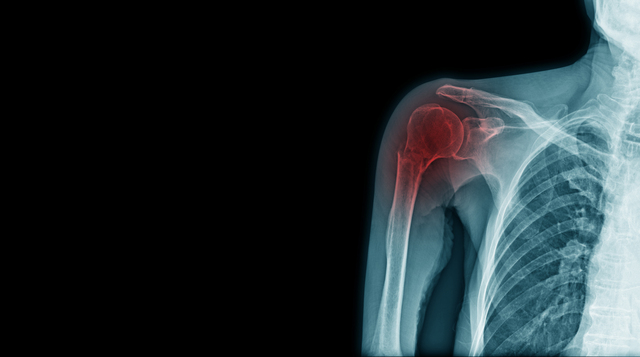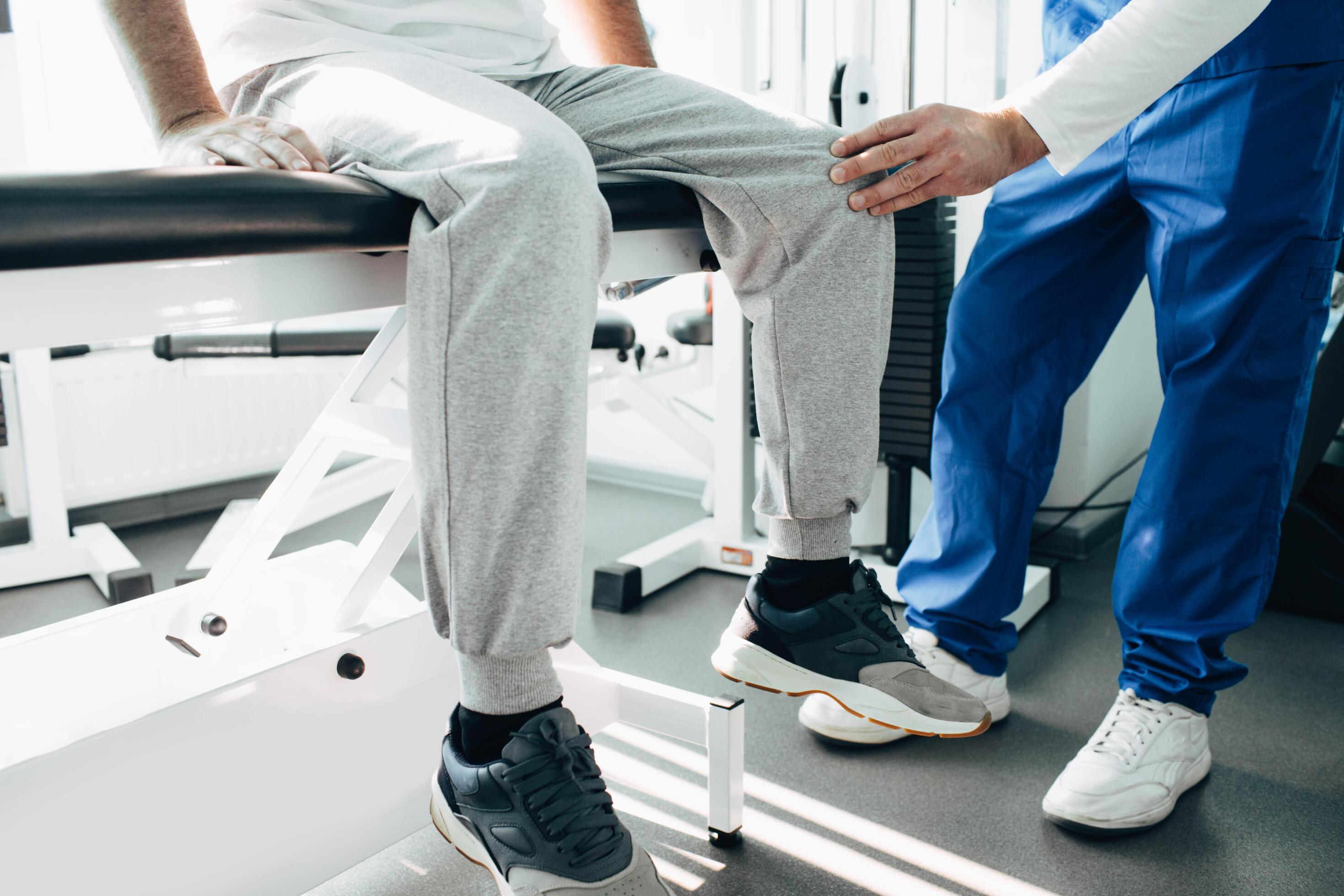
People are often surprised that hand therapists treat elbows. The title says hand, after all. But the specialty covers the whole upper extremity, and there's a good reason for that. Your shoulder, elbow, wrist, and hand function as one connected system, and elbow problems frequently start or end somewhere else along that chain.
Where Elbow Pain Comes From
The muscles that move your wrist and fingers anchor at the elbow. Every time you grip something, twist a lid, or lift a bag, you're pulling on those attachment points. That's why elbow pain so often traces back to what your hand has been doing.
The common patterns are pain on the outside from overworked tendons, pain on the inside from the same thing on the opposite side, and tingling into the ring and little fingers when a nerve gets compressed as it passes the joint.
Why The Weakness Matters
Elbow trouble frequently shows up as weakness, not just pain. Your grip gives out. Carrying a bag of groceries gets hard. Lifting a full coffee pot takes more than it should.
That weakness has real causes. An irritated tendon inhibits the muscles pulling on it. A compressed nerve reduces the signal reaching the muscles it serves. And weeks of avoiding painful movements produce genuine deconditioning. Sorting out which of those is driving your weakness shapes the treatment.
The Whole-Chain View
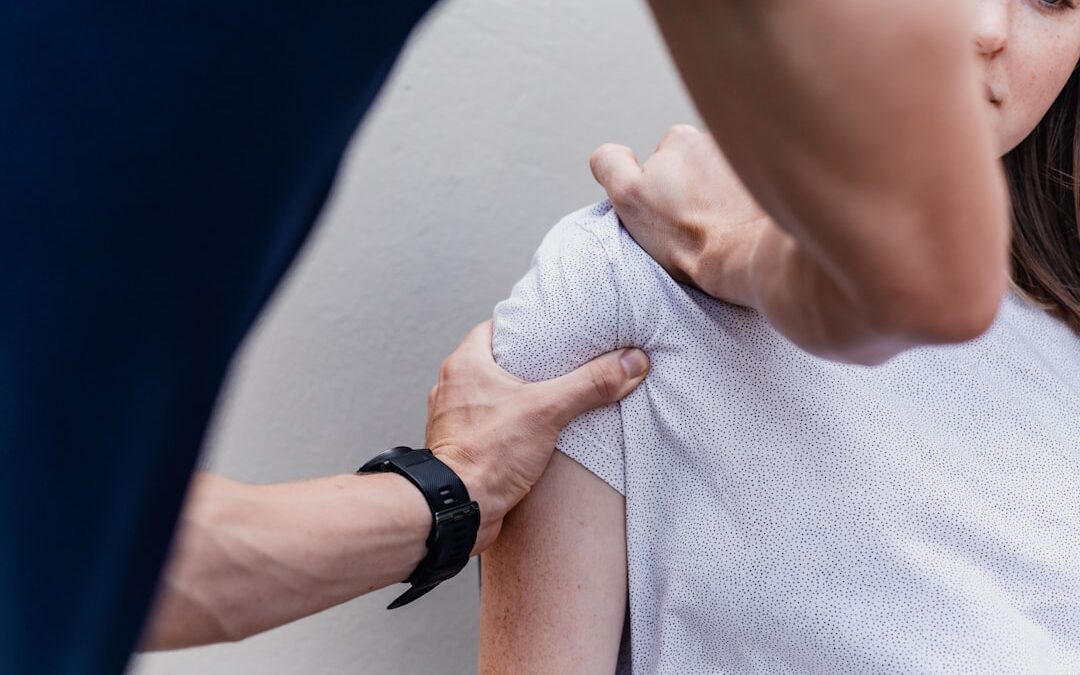
Here's what upper extremity therapy adds. A therapist looks past the sore elbow to the rest of the arm.
- A stiff shoulder changes how the elbow gets loaded
- Poor shoulder blade control leaves the whole arm working from an unstable base
- Wrist mechanics affect how much strain reaches the elbow tendons
- Grip habits and tool fit determine the daily load on those attachment points
Treat only the elbow and you leave whatever is upstream still feeding the problem.
What Treatment Involves
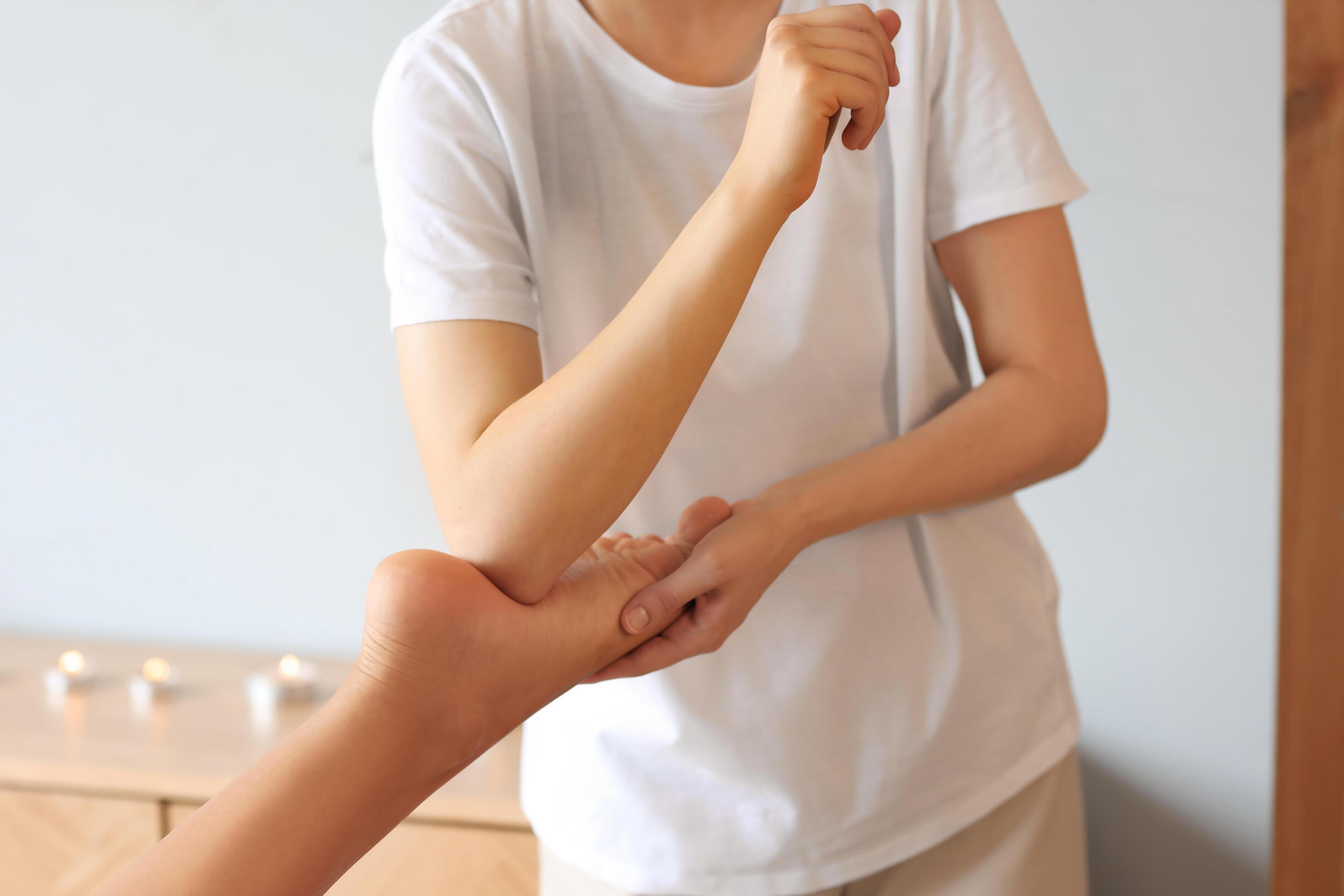
Early work calms the irritated tissue and takes the daily strain off, often with a counterforce strap and adjustments to how you're gripping and working. Then progressive loading rebuilds the tendon so it handles real demands again. Add strengthening through the forearm, shoulder, and shoulder blade, plus nerve gliding when a nerve is involved.
Why Rest Alone Keeps Failing
A lot of people have already tried resting it. It calms down, they go back to normal, and it flares within days. That's because rest quiets the pain but leaves the tissue weak, and weak tissue can't handle the load waiting for it. Rebuilding strength is the part that ends the cycle.
Is your elbow hurting or your grip giving out often? Modern Physical Therapy & Sports Medicine of Peoria, AZ can treat it as part of the whole arm. Call or book through the online form.