What Diagnostic Imaging Tools Are
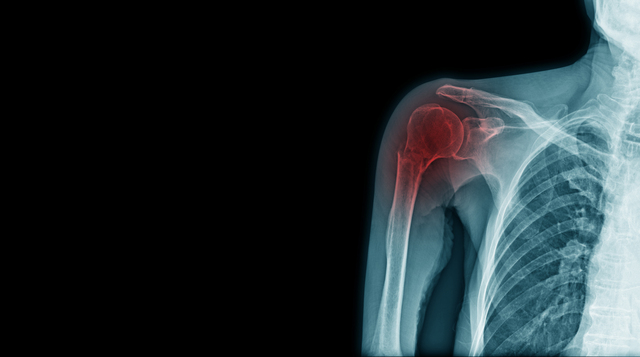
Diagnostic imaging tools, or DITs, are tests that show what is happening inside a joint, muscle, or bone. They help us see swelling, structural changes, tears, or irritated tissue that is not clear from a physical exam alone.
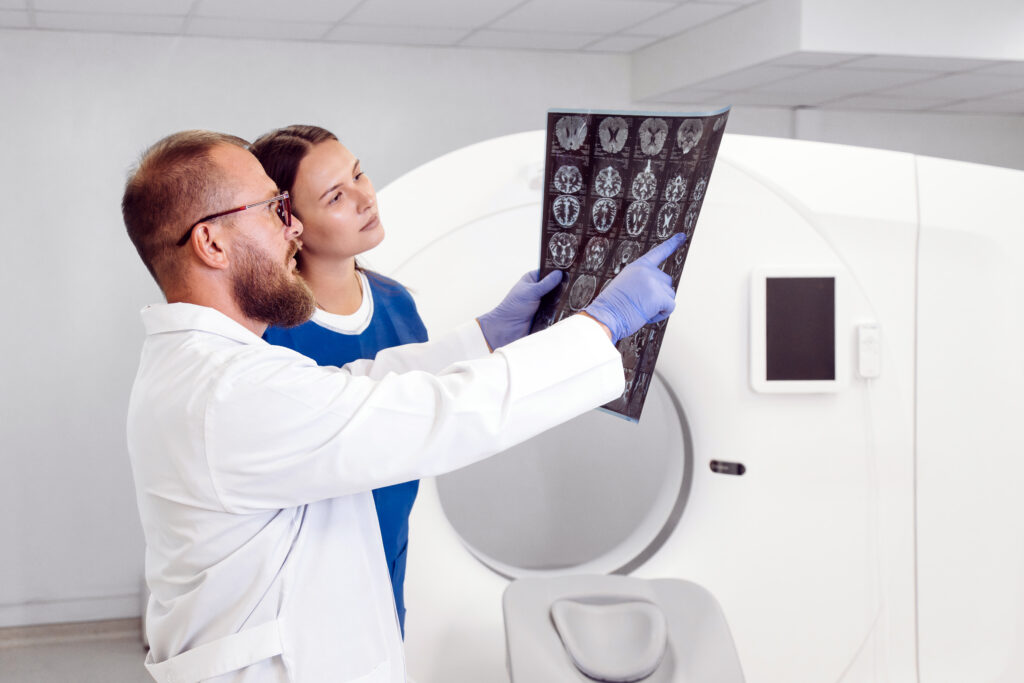
Common tools include X-rays, MRI scans, and ultrasound. Each one shows different details. Together, they give a clearer picture of the problem.
How These Tools Are Used
We use imaging when symptoms do not match simple patterns or when pain has lasted longer than expected. Imaging helps confirm what we suspect from your exam. It can also rule out concerns that look serious but are not.
DITs guide decisions about strength work, stretching, load tolerance, and activity limits. They help us understand how much movement your joint can handle and what should be avoided at first.
How Imaging Improves Accuracy
Imaging gives information we cannot get from observation alone.
It helps:
- Identify swelling inside a joint
- Spot early arthritis or cartilage thinning
- Show soft tissue irritation around tendons
- Confirm partial or full tears
- Reveal bone stress or subtle fractures
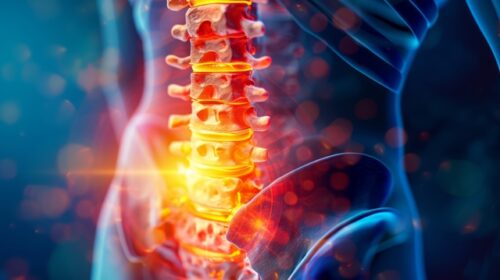
- Highlight alignment problems
With this detail, we can match your treatment to the real source of pain instead of guessing. This lowers the risk of prolonging symptoms or treating the wrong issue.
Why Accurate Diagnosis Matters
Accurate diagnosis saves time. It also prevents long delays in healing. When we know exactly what is wrong, we avoid exercises or activities that irritate the injury.
Many patients feel relieved when imaging confirms the problem. It removes doubt and gives a clear direction. It also helps us explain why the pain appeared and what we need to do next.
How Imaging Supports Orthopedic Treatment
Once we see the injured area, treatment becomes more targeted. Imaging helps determine whether you need mobility work, strength training, or protection for a short period.
DITs also show when an injection is helpful. If swelling or tissue irritation blocks progress, imaging helps confirm the right spot for the injection.
For post-surgical patients, imaging helps track healing. It lets us know when to increase the load or when to slow down.
Benefits of Physical Therapy
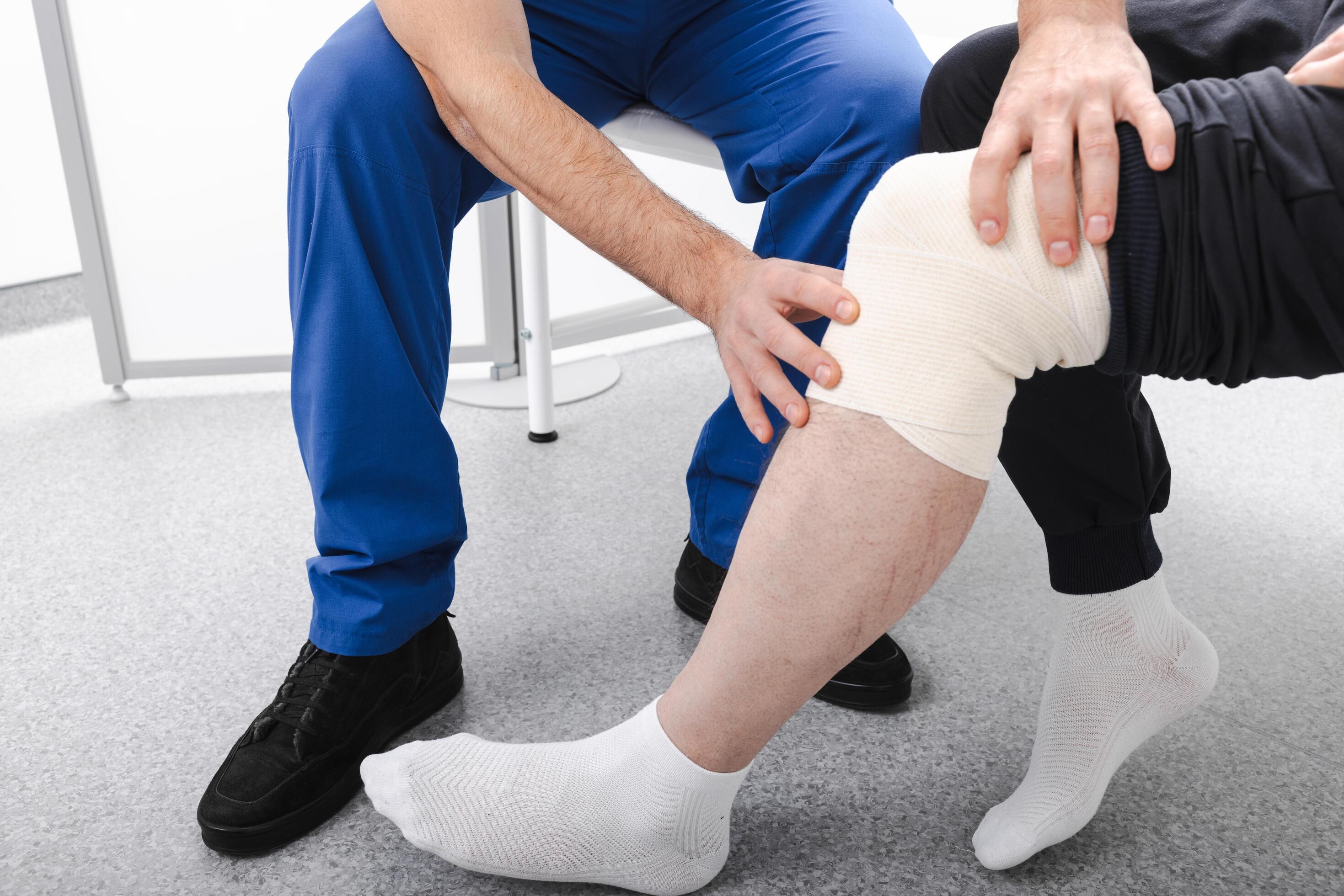
Physical therapists use imaging results to guide safe progression. If a tendon is irritated but intact, we introduce controlled strengthening. If a joint has swelling, we start with mobility and light exercise.
Imaging also helps us:
- Predict recovery time
- Set realistic goals
- Track changes over weeks
- Adjust the plan if symptoms shift
When we understand the injured structure, physical therapy becomes more efficient and safer.
When Imaging Is Recommended
Imaging is often suggested when:
- Pain has lasted more than a few weeks
- Swelling keeps returning
- Symptoms change suddenly
- The joint feels unstable
- Strength drops without a clear reason
- A previous injury continues to flare
These signs tell us something deeper may be happening inside the joint.
If your pain has been hard to explain or keeps returning, call or schedule a visit. We will help you decide whether imaging is appropriate and build a plan that fits your needs.