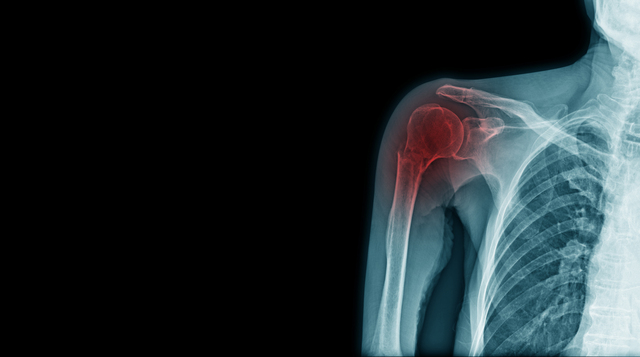
Shoulder pain has a way of taking over. You feel it reaching for a seatbelt. Lifting a bag of groceries. Rolling over in bed at two in the morning. The shoulder is one of the busiest joints you’ve got, so when it hurts, there’s no hiding from it. People in Sun City deal with this all the time, and not just the ones still out playing tennis or golf. Sometimes it’s a fall. Sometimes it’s years of wear catching up.
What Sets Shoulder Pain Off
The shoulder trades stability for range. It moves in nearly every direction, which is great until something gives. A few common triggers:
- Rotator cuff strain or tears, from overhead reaching or a sudden pull
- Tendonitis from repeating the same motion too much
- Bursitis, when the cushioning sac in the joint gets inflamed
- Frozen shoulder, where the joint slowly tightens and locks
- Arthritis wears down the joint over time
- A fall or awkward lift that tweaks something
Sometimes you know the exact moment it started. A reach, a slip, a heavy lift. Other times, it builds so slowly you can’t name the day it began. Both are worth paying attention to.
Why It Won’t Heal on Its Own
People wait for shoulder pain. They figure the rest will sort it out. Sometimes it does. Often it doesn’t.
Here’s the problem. When a shoulder hurts, you stop using it. You stop reaching overhead. You favor the other arm. That seems smart, but the joint stiffens, and the muscles around it weaken. Now you’ve got a shoulder that hurts and a shoulder that’s gotten weak, which makes the next reach hurt more. The cycle tightens on itself.
A torn rotator cuff or an inflamed tendon doesn’t just patch itself up while you avoid using it. The tissue needs the right load to heal, not none at all. Total rest can actually leave you worse off, stiffer and weaker than when you started. That’s why so many shoulders that “should have gotten better” are still aching months later.
What Sports Medicine Does for a Shoulder
Sports medicine isn’t only for athletes. It’s an approach built around getting a joint back to doing real work, whatever that work looks like for you. Swinging a club, lifting a grandkid, or just sleeping on your side again.
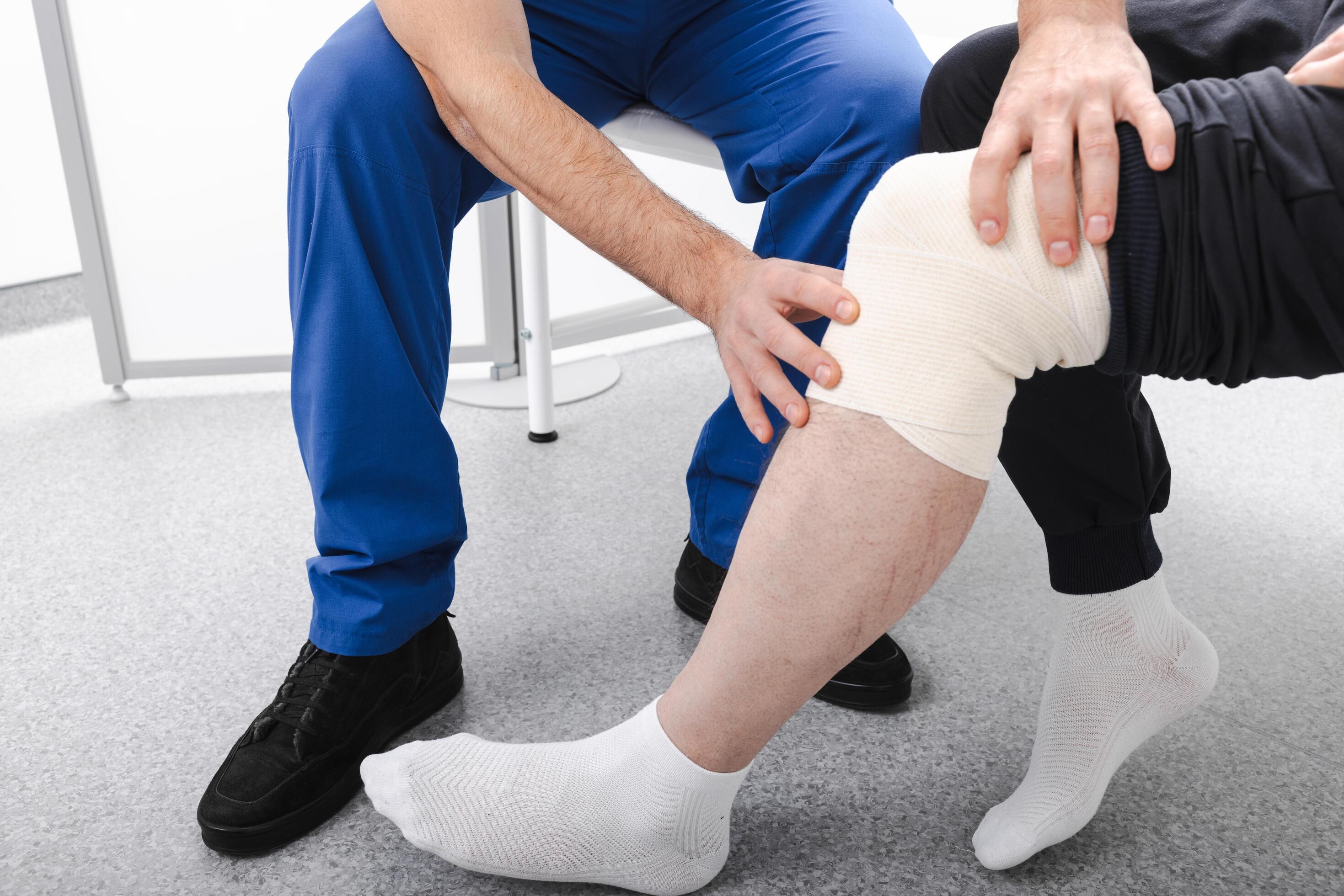
It starts with figuring out what’s actually wrong. A real evaluation looks at how the shoulder moves, where it catches, what’s weak, and what’s driving the pain. Guessing leads to treating the wrong thing. The exam comes first.
From there, the treatment gets specific:
- Hands-on therapy to loosen tight tissue and ease pain so the joint can move
- Targeted strengthening for the rotator cuff and the muscles that stabilize the shoulder blade
- Range-of-motion work to undo the stiffness that set in while you were favoring it
- Posture and movement training, since a lot of shoulder trouble traces back to how the upper back and neck are working
- A graded plan that loads the tissue at the right pace, enough to heal it, not enough to flare it
The pacing matters more than people realize. Push too hard and the joint flares. Do too little and nothing changes. Someone tracking your progress keeps you in that middle lane, adjusting as the shoulder responds.
There’s also the bigger picture. A cranky shoulder often ties back to a stiff mid-back or a weak shoulder blade. Treating only the sore spot misses why it started. Sports medicine looks at the whole chain that moves the arm, not just the joint that’s yelling.
When to Stop Waiting
If your shoulder has hurt for more than a few weeks, if it’s getting worse, or if you can’t sleep on that side or reach overhead, it’s time. The same goes for any weakness or a feeling that the joint might give out. Those signs don’t tend to clear up on their own.
Modern Medicine of Peoria, AZ, works with people to get sore shoulders moving and strong again. The plan fits your joint and the things you want to get back to.
Call today to set up an evaluation and find out what’s really going on with your shoulder.