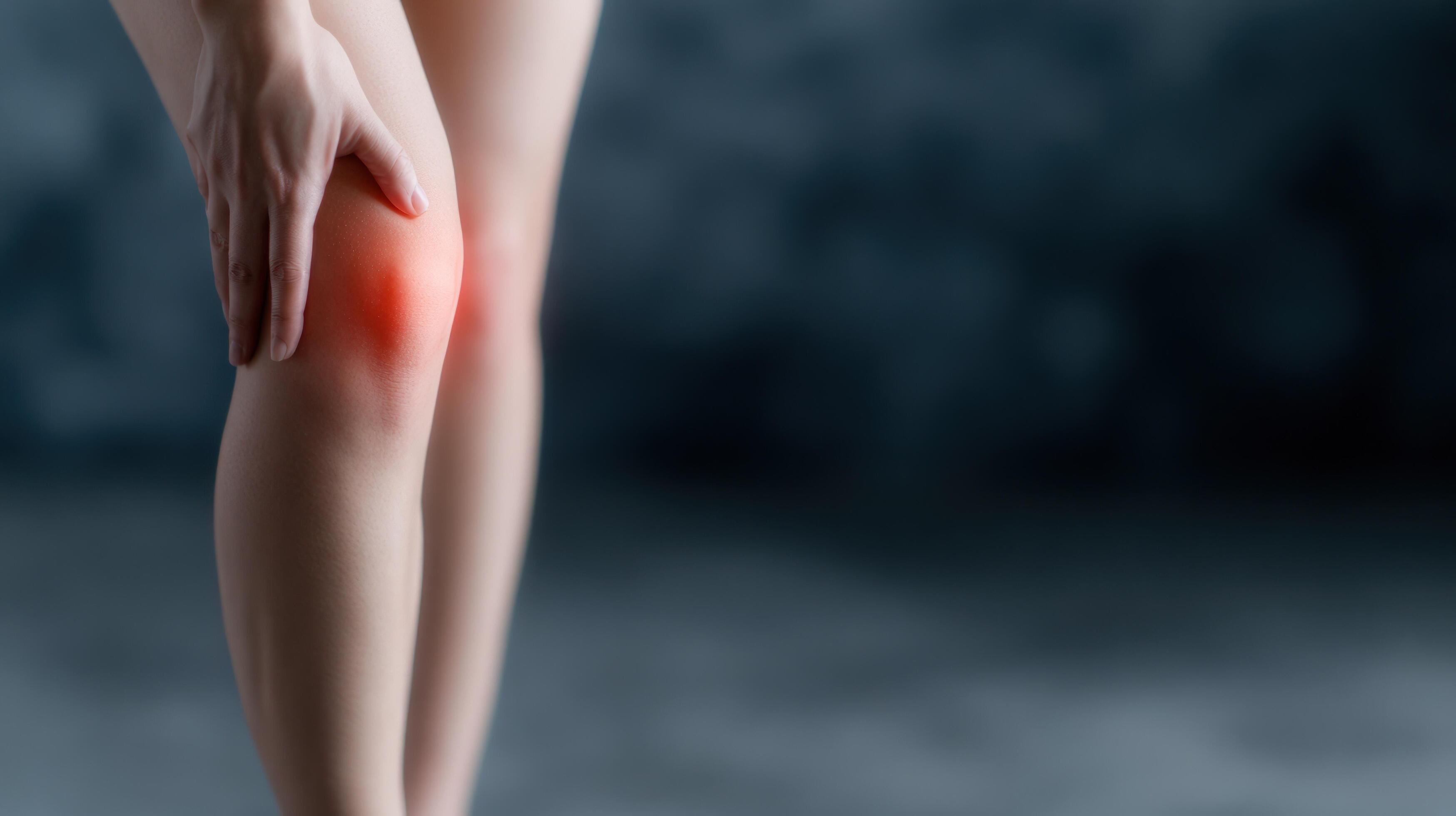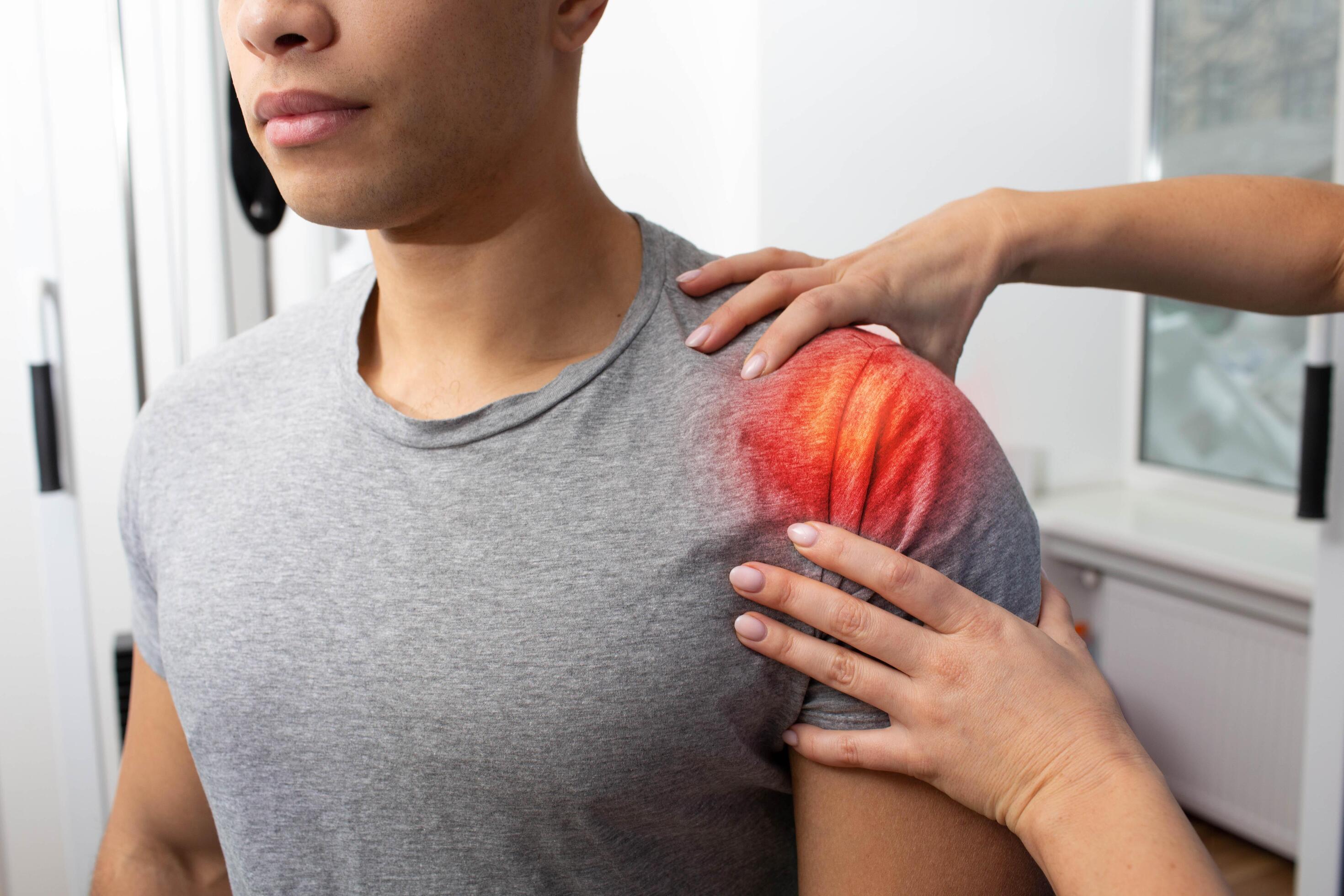
Knee pain doesn’t always come from a dramatic twist or fall. Most people feel it slowly building. A little stiffness after errands. An ache that shows up after standing too long. A tight pull when getting in or out of the car. In Maricopa, a lot of people stay active, even in the heat. Long days walking the neighborhood, yard work, golf, and pickleball keep the knee busy. Over time, the load adds up.
Why Knee Pain Happens
The knee sits between the hips and ankles. When either one moves poorly, the knee pays for it. Tight hips. Weak glutes. Stiff ankles. All of these shift pressure downward. Even old injuries you forgot about can change how you walk and how the knee handles daily movement.
Common reasons knee pain starts are:
- Muscle imbalances
- Cartilage wear
- Poor movement patterns
- Old injuries that never fully healed
- Swelling from overuse
Why People Often Miss Early Signs
Early knee pain fades fast. You feel it one day and not the next. That makes it easy to ignore. By the time the pain sticks around, the body has already changed how it moves. You might step differently. You might lean more on one side. These small shifts keep feeding the problem.
How Lifestyle Affects The Knee
The knee reacts to load. Standing for long periods, walking several days in a row, or packing too much into one weekend can irritate the joint. Even everyday habits matter. Locking your knees while standing. Sitting in the same position for hours. Crossing your legs. It all adds stress your knee eventually notices.
Why Strength Matters
When the muscles around the knee weaken, the knee takes on more work. This is one of the main reasons adults start feeling pain as they age. The knee isn’t “wearing out.” It’s doing too much without enough support.
How PT Helps You Understand Knee Pain
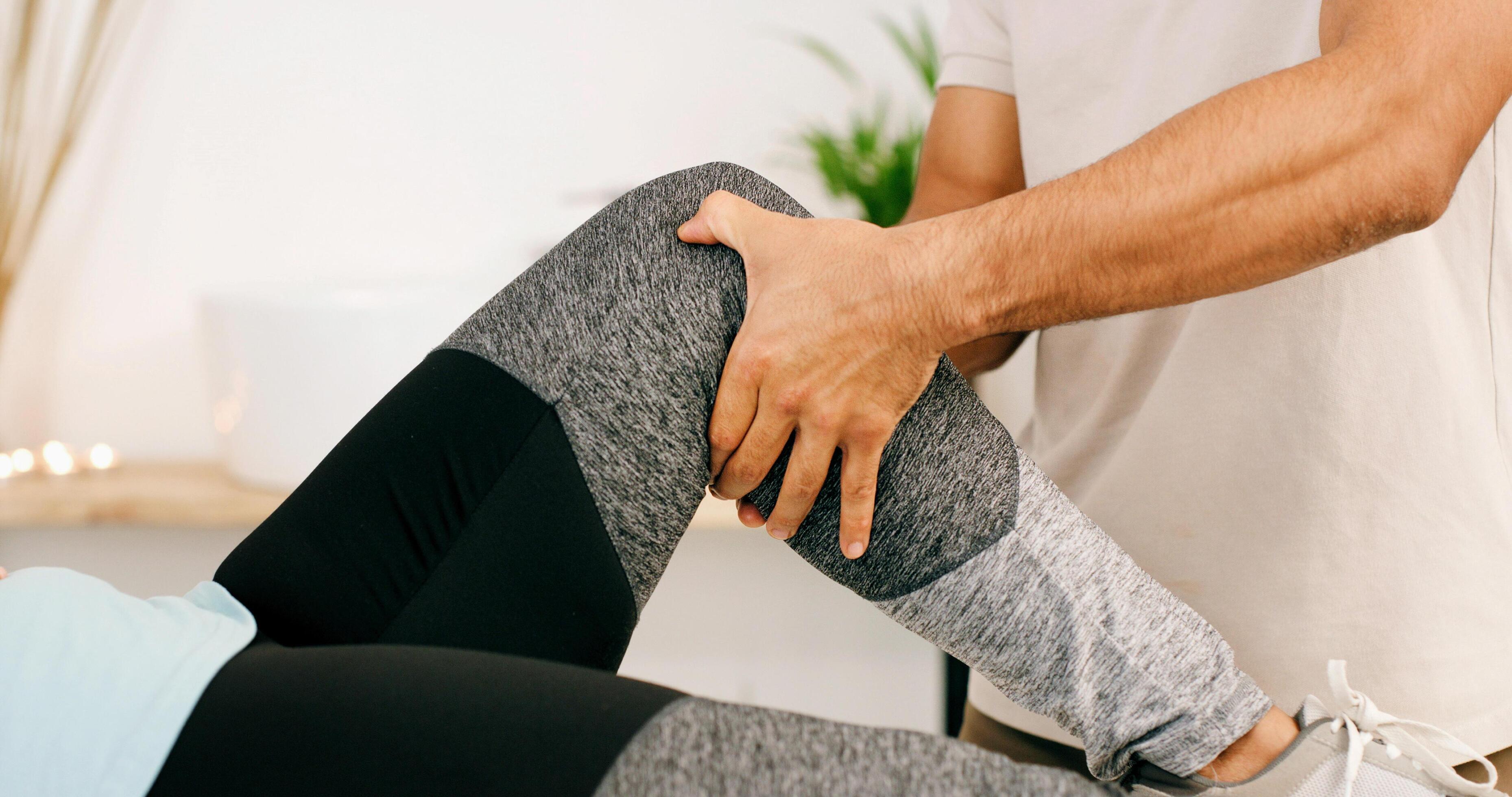
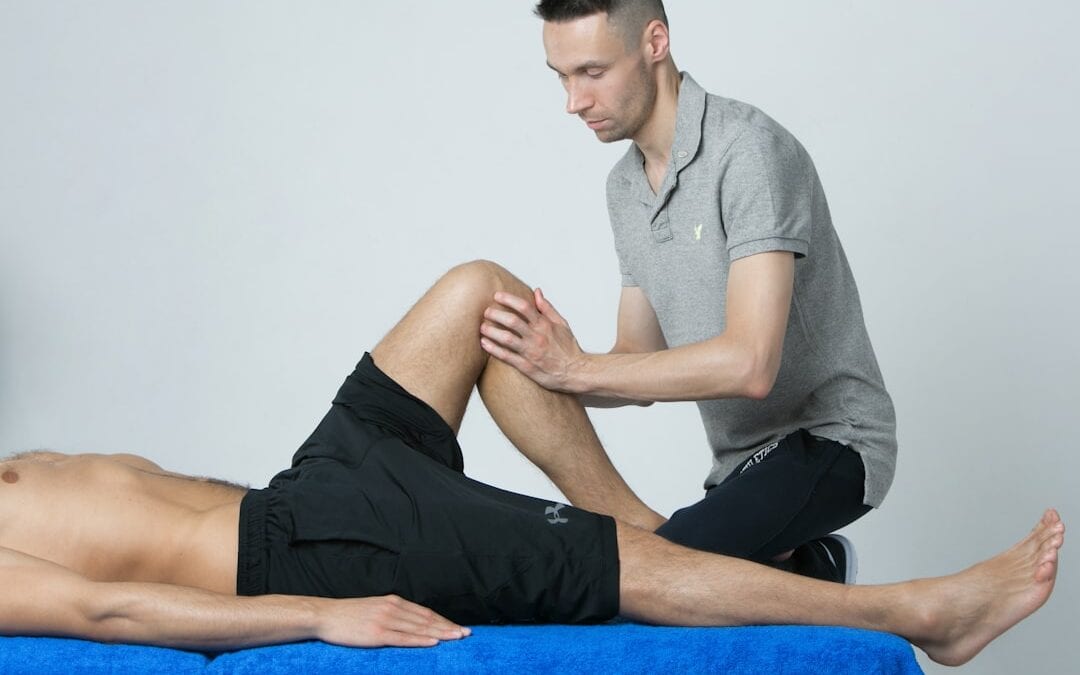
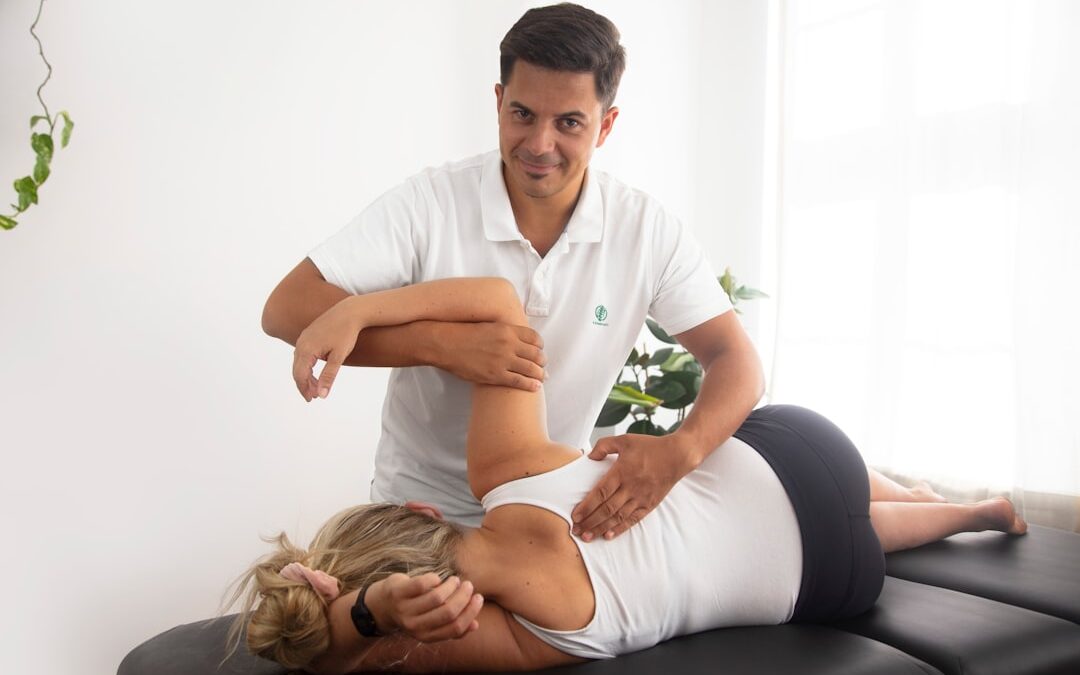
Physical therapy looks at more than the knee. A PT checks how you walk, how you squat, how your hips move, how your feet move, and how balanced you are. Most knee problems come from a pattern in the body, not from the knee itself. Once you see that pattern, the pain starts making sense.
A PT plan may include strength work for support muscles, mobility for stiff joints, training for better movement habits, and pacing strategies for active days.
Why Rest Doesn’t Fix Much
Rest may calm a flare, but it doesn’t solve the cause. If nothing changes, the pain comes back as soon as you return to normal activity. PT helps you relearn how to move in a way the knee can tolerate.
Why Knee Pain Doesn’t Have To Become Your New Normal
Once you understand why the pain started, you can make simple changes that keep the knee calmer. You start feeling more in control. You stop guessing. Most people improve with a few steady habits and a plan that fits how their body moves right now.