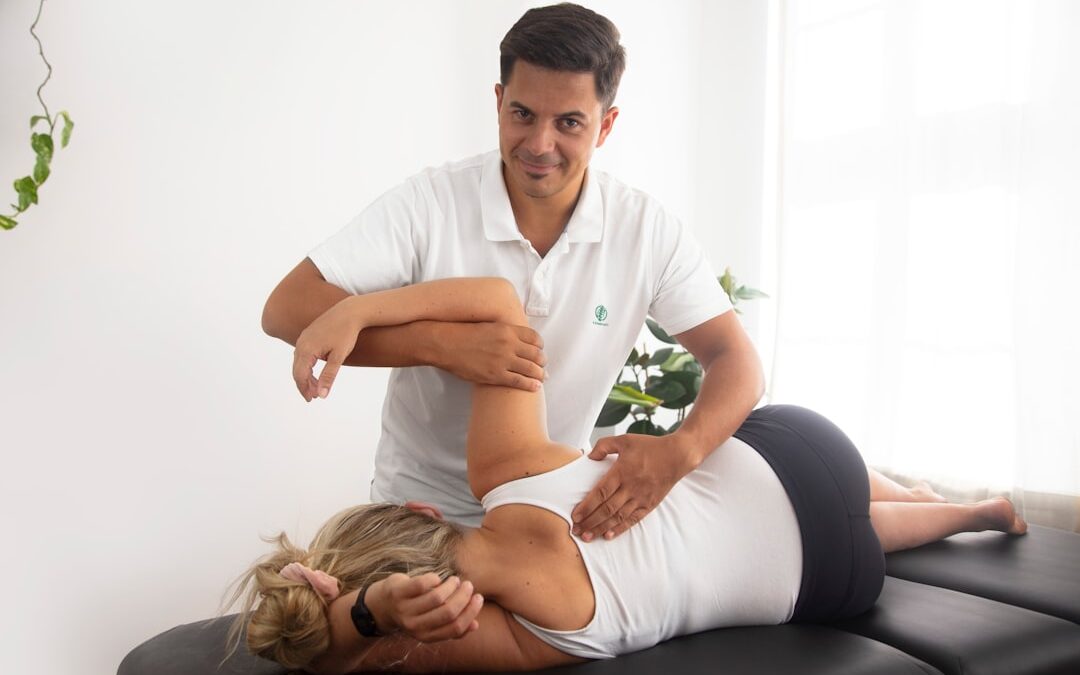
Two decades ago, a torn meniscus meant arthroscopic surgery for most people. That changed, and it changed because of research rather than opinion. Studies comparing surgery to structured physical therapy found comparable outcomes for a large share of patients.
That shift is why your knee probably has more options than you assumed.
What Got Torn
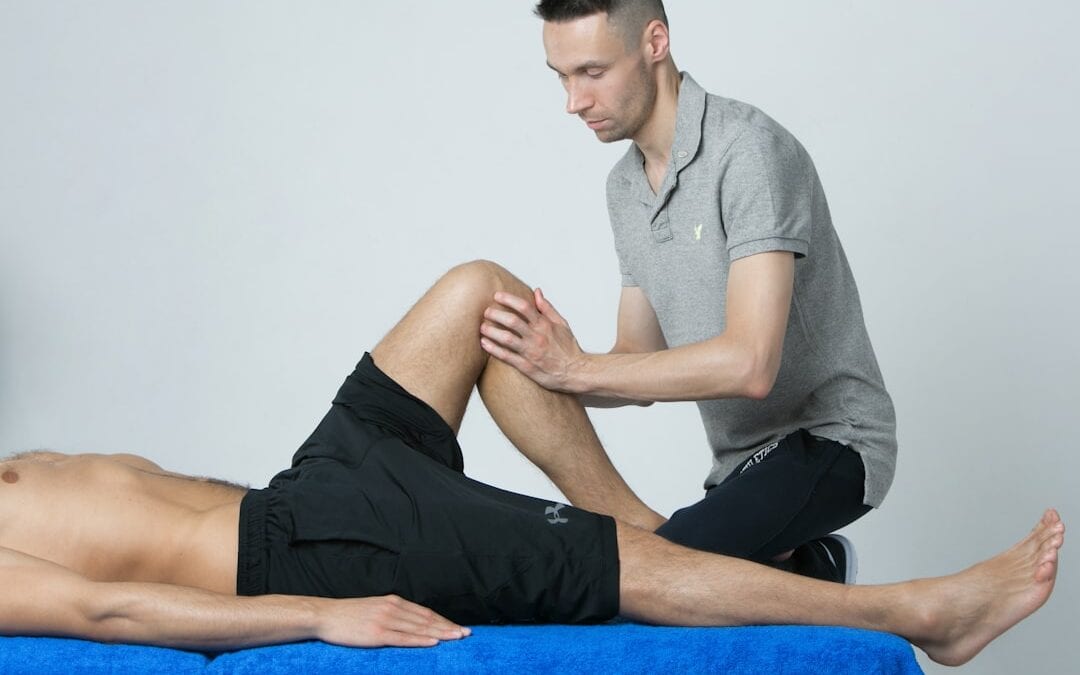
The meniscus is cartilage, two wedge-shaped pads sitting between your thigh bone and shin bone. They spread load across the joint and let it glide smoothly. Tear one and the joint stops moving cleanly, producing swelling, catching, and that careful descent down stairs.
How it happened matters. Younger knees usually tear from a twist, a pivot with the foot planted. Older knees tear from wear, where the cartilage has grown brittle and something ordinary is enough.
Why Therapy Works For So Many
Here's the reasoning. A substantial amount of the pain from a meniscus tear doesn't come from the torn cartilage itself. It comes from the knee being swollen, weak, and poorly supported around the injury.
Those are all things you can change without touching the tear. Settle the swelling, rebuild the muscle, improve how the joint is loaded, and the knee frequently stops hurting even though the tear is still there.
What The Therapy Involves
- Early swelling control, since swelling shuts down the quadriceps
- Restoring full bending and straightening
- Progressive quad, hamstring, and glute strengthening
- Hip work, because weak hips let the knee collapse inward
- Balance and control retraining
- Graded return to walking, hiking, or whatever you're aiming for
The Quad Shutdown Nobody Explains
Worth knowing this one. A swollen knee triggers a reflex that inhibits your quadriceps, essentially turning the muscle down. It's automatic and it's not about willpower.
That means a puffy knee is a weak knee regardless of how hard you try, which is why swelling gets attacked first. Without that, the strengthening work fights an uphill battle.
When Surgery Still Applies
Being straight about it. A knee that locks repeatedly, where a torn flap physically blocks movement, often needs the fragment addressed. Certain tear types in younger patients are worth repairing. And a knee that hasn't budged after genuine therapy deserves the conversation.
What Genuine Therapy Means
Several weeks of consistent work, not three sessions and a printout. Muscle takes time to build and a cranky knee takes time to settle. People who try briefly and conclude therapy failed haven't tested it.
Have a knee catching, swelling, or aching? Let our team at Modern Medicine of Sun Lakes, AZ help you get it feeling right again. Call us today or book through the online form.