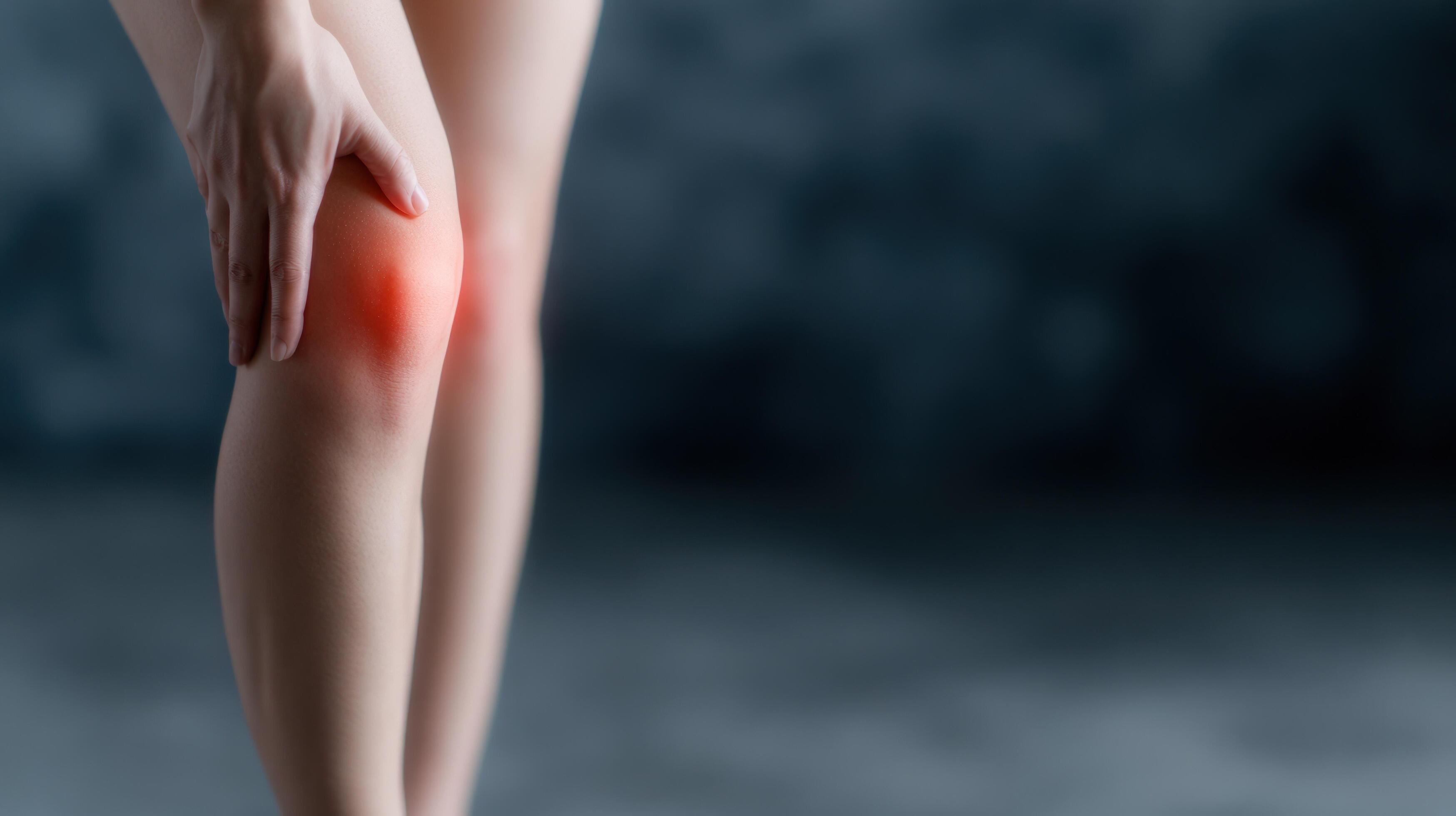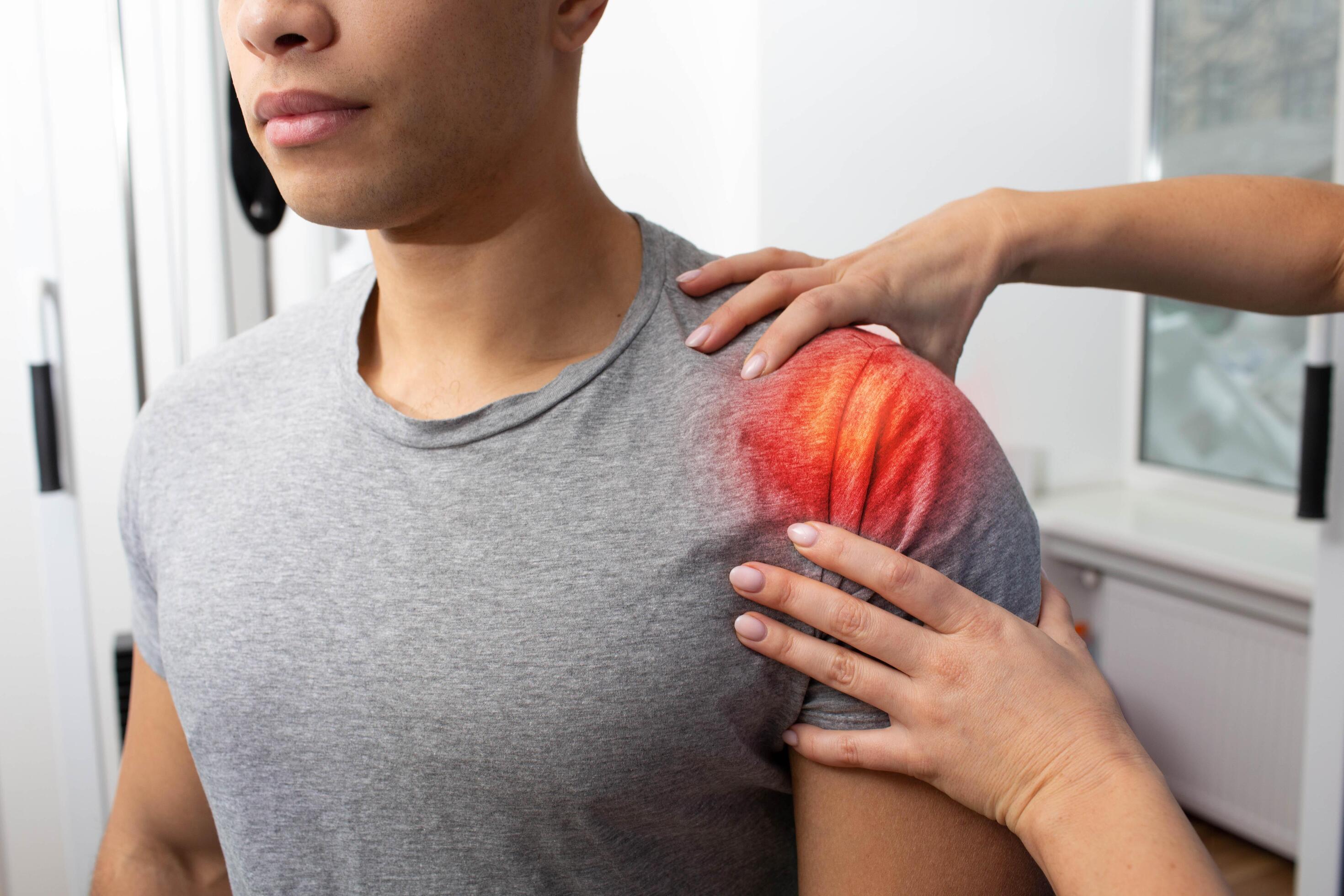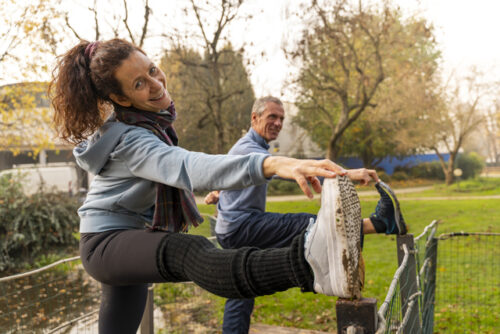
That Achilles that tightens up on morning runs and takes a little longer to warm up each week. The elbow that aches after pickleball and is still sore the next day. The knee that was completely fine for months and then crossed a line nobody saw coming.
Overuse injuries do not have a clear starting point. They build under repeated load until the tissue hits a threshold that it cannot recover from on its own. By the time the pain is consistent enough to pay attention to, the damage has been accumulating for weeks.
Active adults in Maricopa staying busy through the cooler months, hiking, cycling, and recreational sports, put consistent demand on tissue that needs real recovery time between sessions. When that balance tips, the injury starts building, whether anyone notices or not.
Why Rest Does Not Fix It
A few days off and the pain settles. Back to the activity and it returns within a week. That cycle is the defining feature of an overuse injury that has not been properly addressed. Rest reduces irritation temporarily. It does not change what the tissue needs to repair or address the conditions that caused the breakdown in the first place.
By the time pain is consistent, there is a real structural change in the tendon, bursa, or bone. That does not resolve with rest. It requires specific loading that drives repair rather than just reducing the load.
What Is Usually The Cause
- Training load that increased faster than the tissue could adapt to
- A movement fault puts uneven stress on a specific structure across hundreds of repetitions
- Muscle imbalance loads the injury site from a compromised position every time
- Inadequate recovery between sessions for a body that needs more time than it used to
The last one matters more than most active adults want to hear. Recovery after forty takes longer. The tissue that bounced back in two days at thirty takes four or five days at forty-five. That gap is where overuse injuries live.
What Sports Medicine Looks At
Achilles tendinopathy does not exist in isolation. Calf strength, ankle mobility, foot mechanics, training load, and weekly mileage changes. All of these factors contribute to why the tendon broke down and what it needs. A sports medicine provider looks at the full picture rather than just treating the site of pain.
Load history is part of the assessment. What changed in the weeks before the pain started? How quickly did activity increase? What the week actually looks like in terms of total demand on the body.
What Treatment Does
Tendinopathy requires eccentric-loading protocols that rebuild tissue capacity from the ground up. Stress reactions need the specific load driving bone stress identified and modified, while other fitness gets maintained. Bursitis needs the mechanical irritation to be reduced and the surrounding muscle rebuilt so it does not return.
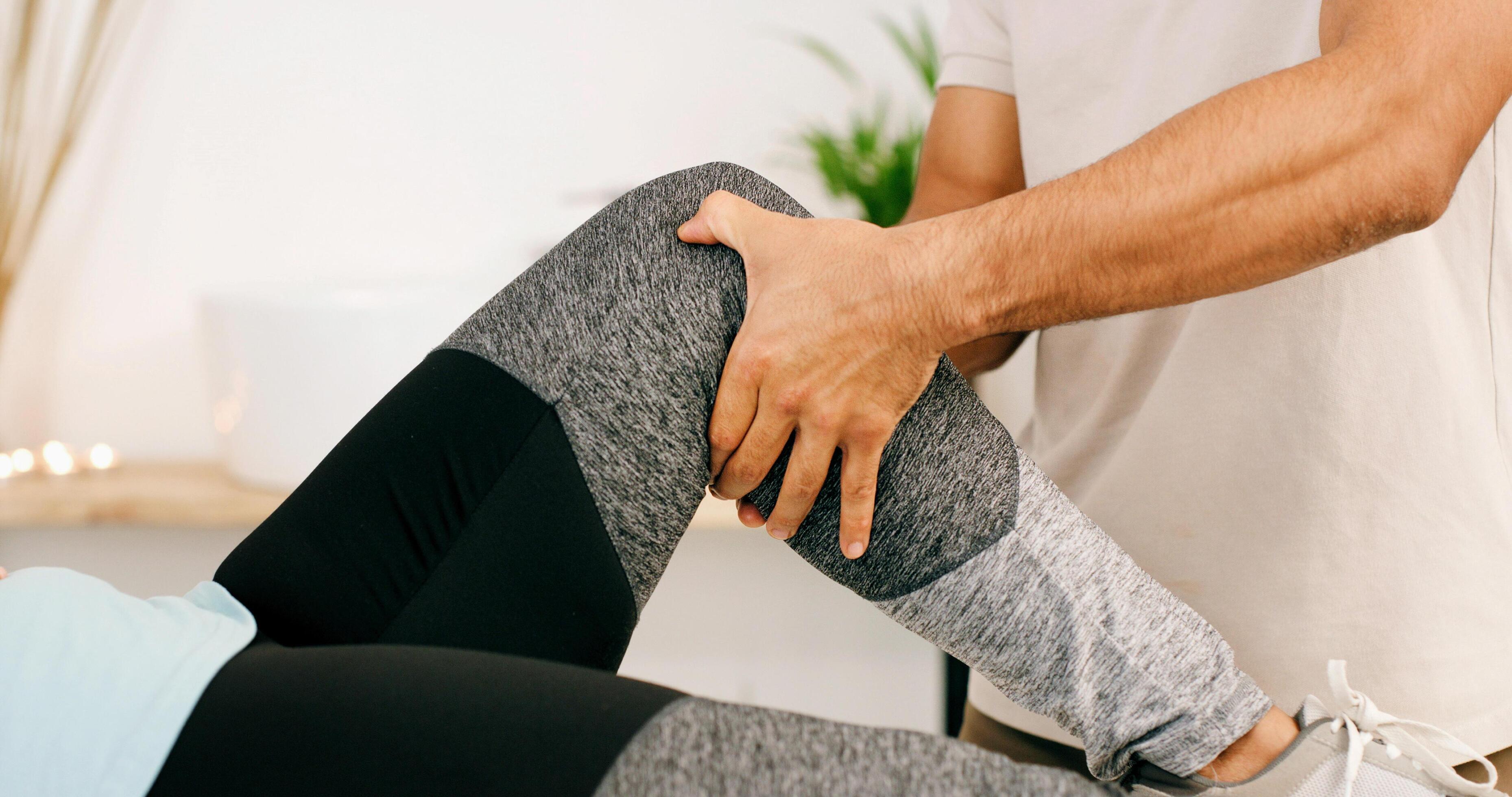
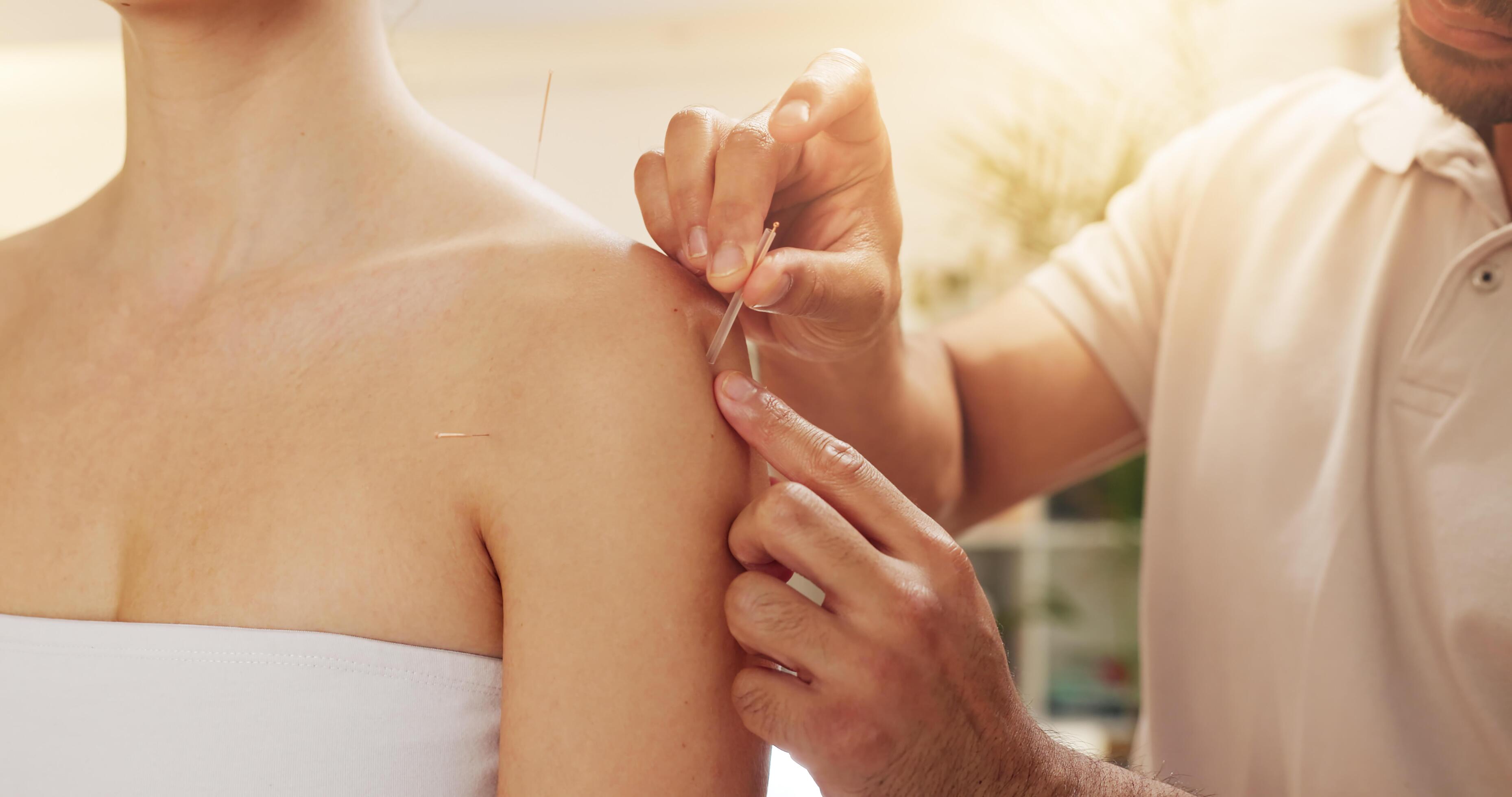
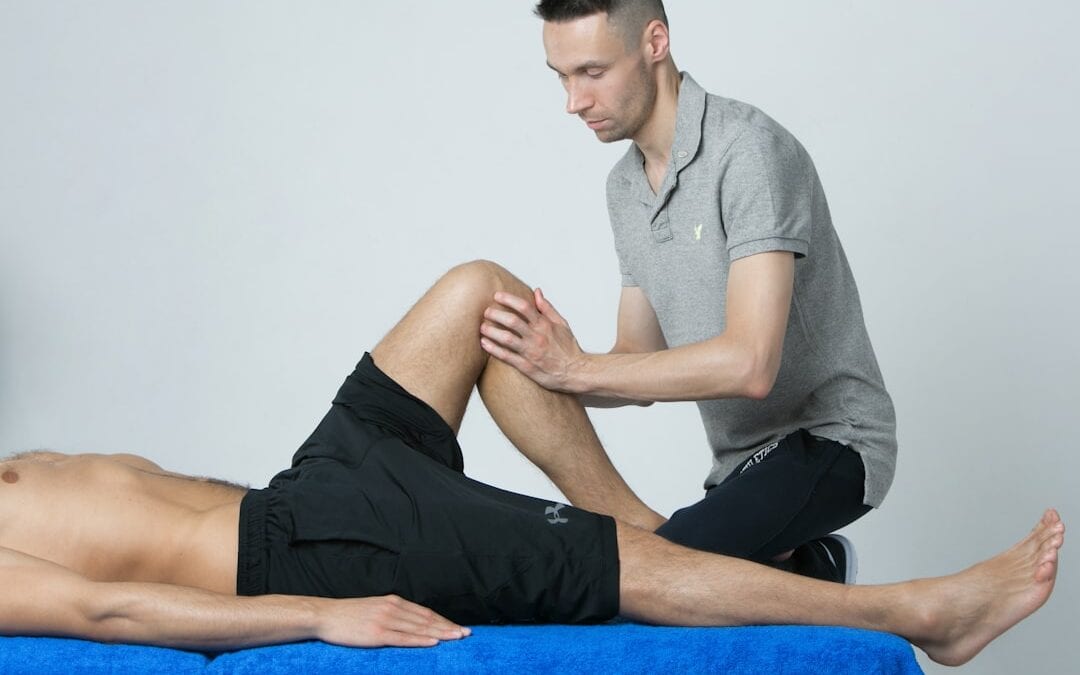
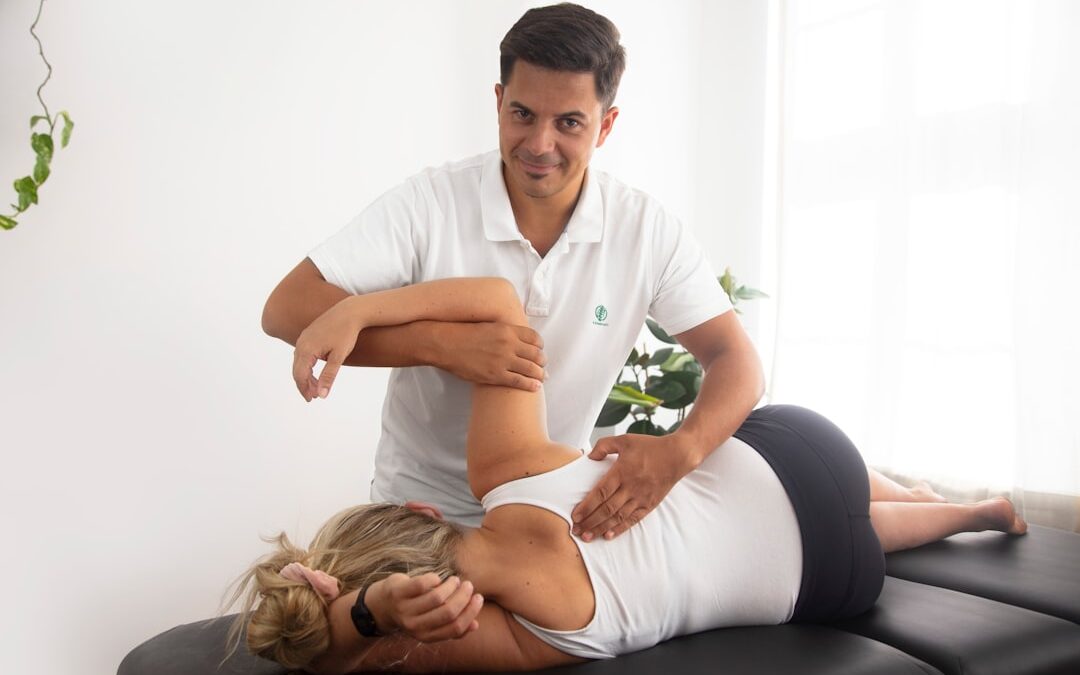
Manual therapy and soft tissue work address tissue quality and joint mobility that deteriorate around chronic overuse injuries. Movement retraining fixes the fault that was loading the structure unevenly on every repetition.
If an overuse injury has been limiting activity or keeps returning, let us help. Modern Medicine of Sun Lakes, AZ, is here with sports medicine options for everyone.