How Hip Pain Starts Limiting Motion
Hip pain changes the way you move fast. At first, you might notice it when you get out of the car or stand up from a chair. Then you start taking shorter steps. You avoid deep bends. You pivot your whole body instead of turning through the hip. Some people feel a pinch in the front of the hip. Others feel a deep ache in the side or in the buttock. Once pain shows up, the body tends to guard, and guarding leads to stiffness. Over time, the hip loses motion, and everyday tasks start feeling tighter.
What Mobility Loss Looks Like In Daily Life
Many people don’t realize how much hip mobility affects normal routines until it’s gone. Stairs can feel awkward. Getting socks on becomes a hassle. Sitting through a drive can make the hip tighten up, then standing feels sharp. Some people stop walking as far because their hip starts to catch. Others shift weight to the other side, which can create new pain in the low back, knee, or opposite hip. Mobility loss often shows up as “I can still do it, but it doesn’t feel smooth.”
What PT Checks When Hip Pain Shows Up
A good PT exam looks beyond the spot that hurts. We check the hip range of motion, strength, and how the hip works with the pelvis and lower back. We watch you walk and look at how you step, turn, and hinge. We also check related areas that often drive hip pain, like tight hip flexors, weak glutes, limited ankle motion, or poor core control. Two people can have “hip pain” for very different reasons, so the plan has to match what we find.
How PT Restores Mobility Without Making Pain Worse
The goal is to regain motion you can actually use, not to force painful stretching. PT often starts with reducing irritation and improving comfort during basic movements. Then we restore range gradually with mobility work that fits your symptoms. Once motion improves, we build strength and control so the hip can handle the daily load again. Without strength, the hip often tightens back up because it doesn’t feel supported.
What Treatment Often Includes
Care depends on the cause, but hip mobility plans commonly include:
- Mobility work for hip rotation and extension
- Glute strengthening to support the hip and pelvis
- Core training to improve control without bracing
- Movement coaching for stairs, walking, and getting up from chairs
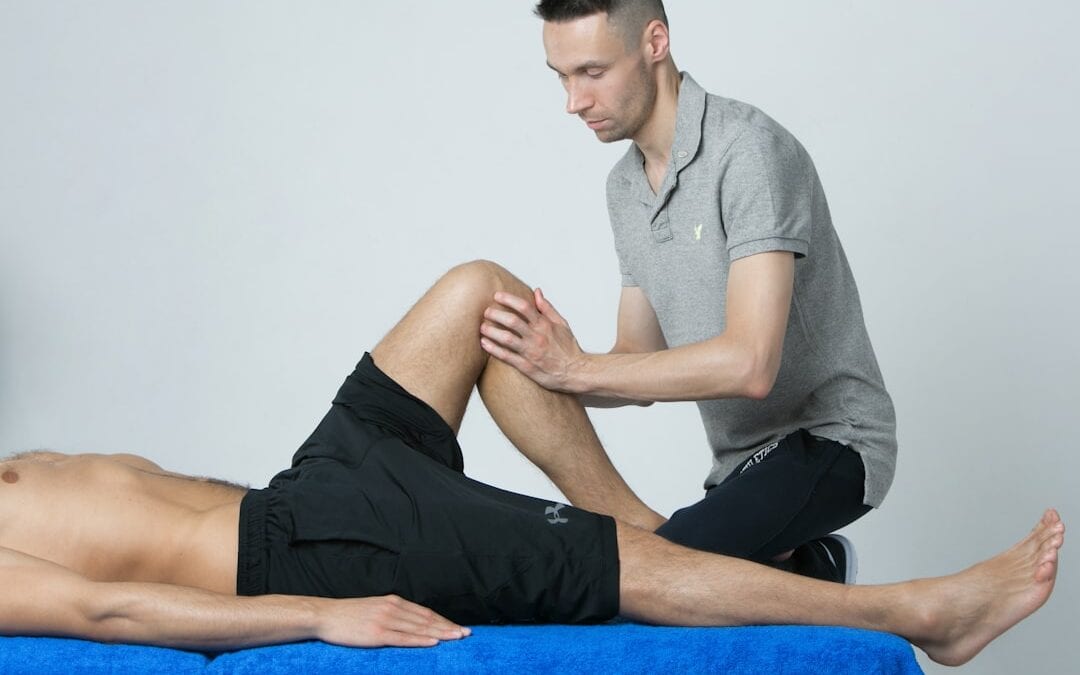
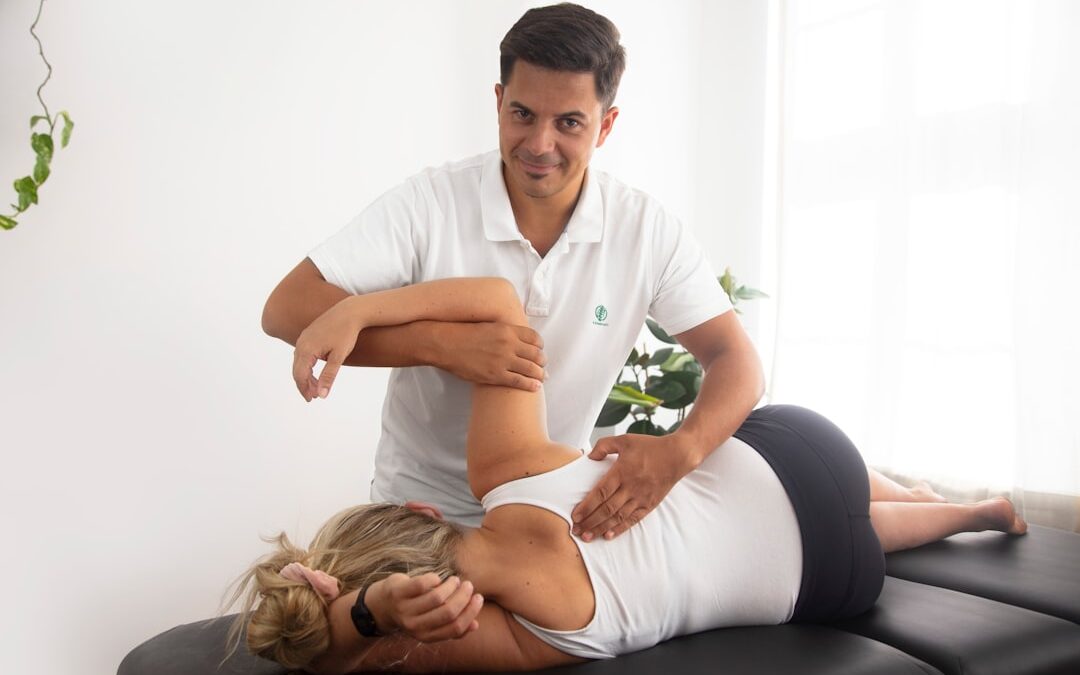
- Hands-on treatment when it helps reduce guarding
- A home plan that fits your schedule and doesn’t cause flare-ups
Restore hip mobility sooner than later with help from Modern Physical Therapy & Sports Medicine of Sun Lakes, AZ. Call for an appointment today.