Why Long-Term Joint Health Needs A Plan
Joint problems rarely heal on their own with rest alone. Pain may ease for a week, then flare when you garden, walk longer, or sit through a long drive. Rehab gives your joint a reason to calm down, then a path to stay calm. The goal is not to avoid movement. The goal is to move in ways that keep the joint steady and strong.
Plan One: Pain Control And Motion Reset
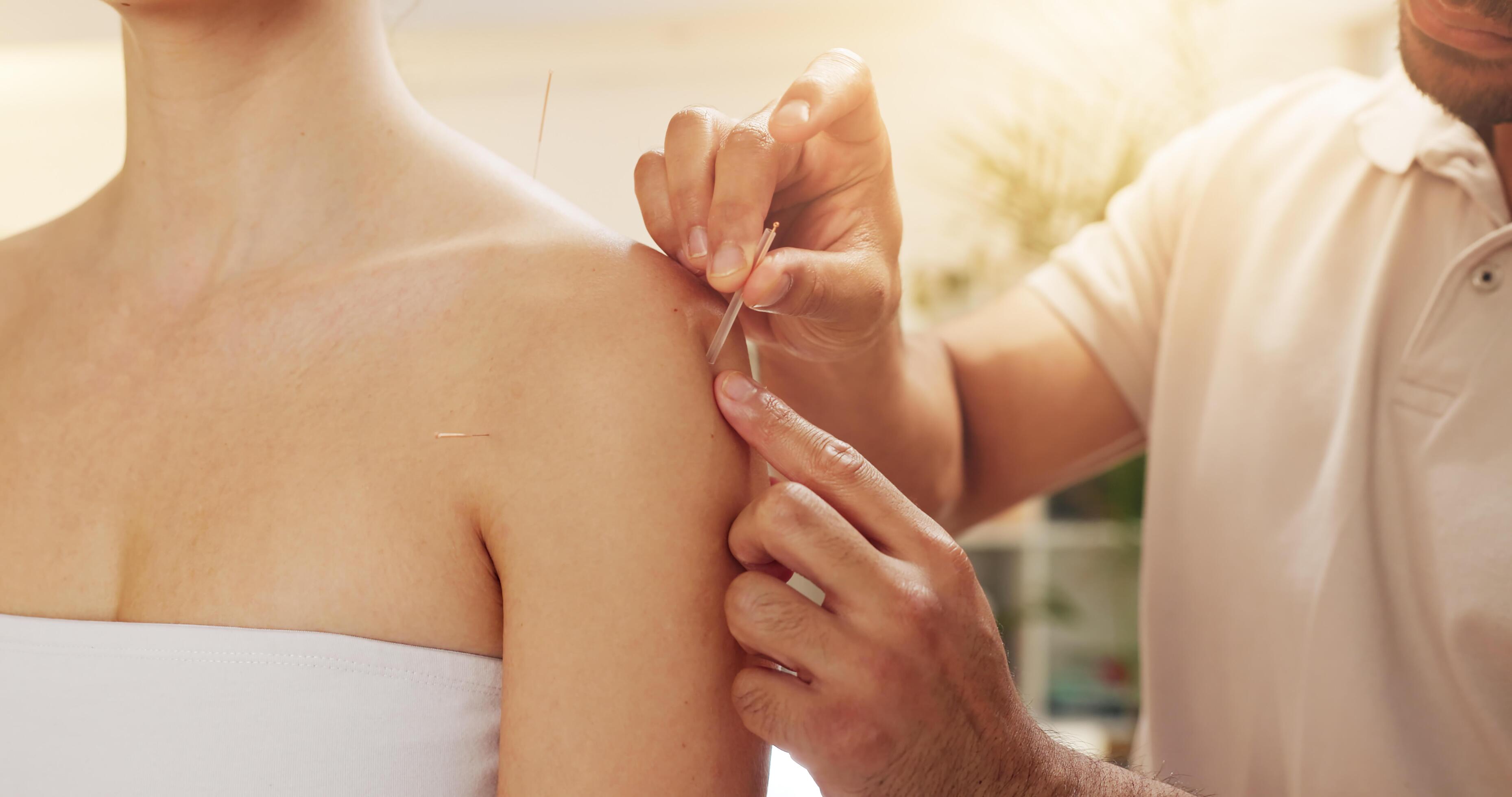
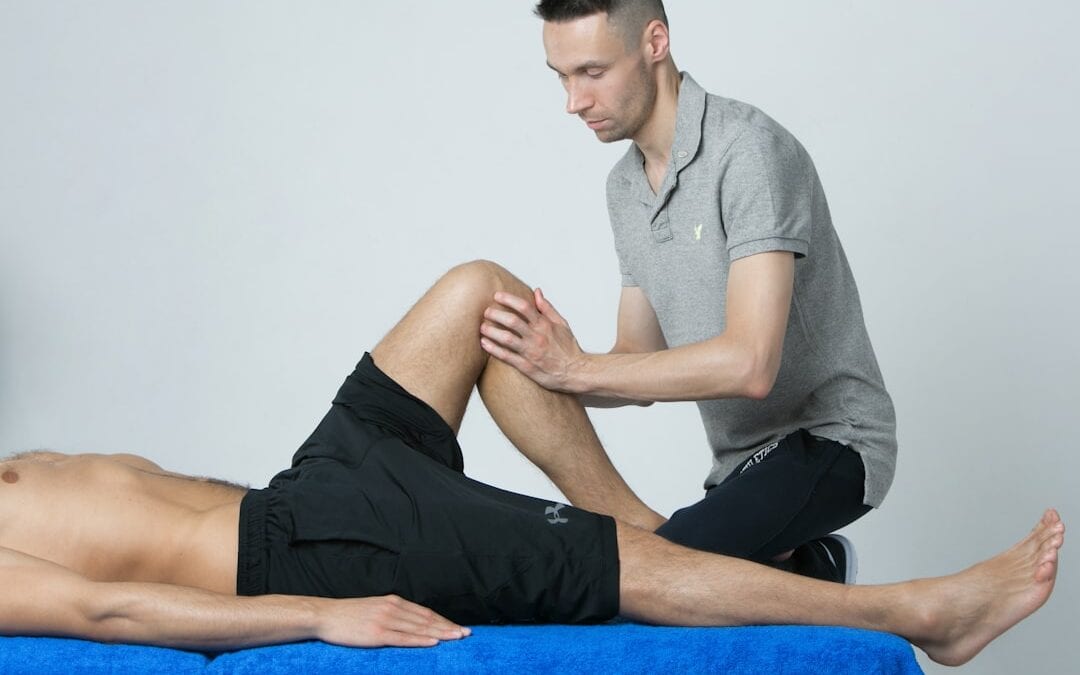
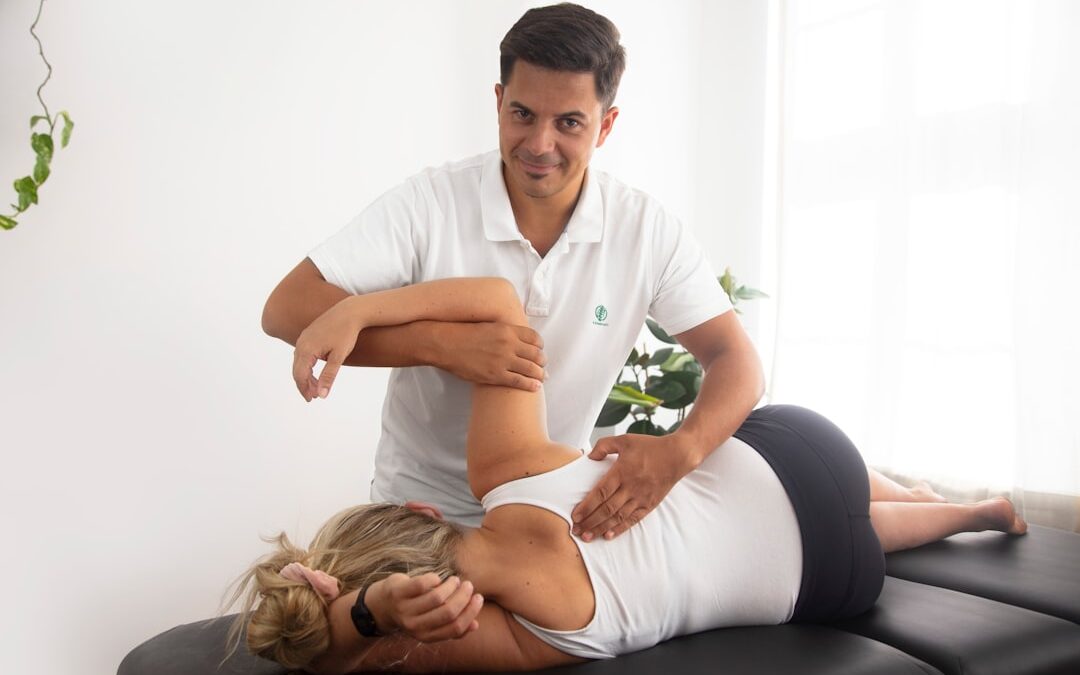
This plan fits people who feel sharp pain, morning stiffness, or swelling after activity. The first goal is to calm the joint and get basic motion back. Care may start with hands-on work and gentle drills, then build into light strength work once the joint tolerates it. Many patients notice the biggest change when they stop guarding the area and start moving again in small doses.
Plan Two: Strength And Load Building
This plan fits people who can move but feel weak, unstable, or sore after normal tasks. The clinic focuses on muscle support around the joint, since strong tissue spreads load better. You may train quads and hips for knee support, glutes for hip control, or the upper back for shoulder stability. Progress happens when you increase resistance in small steps and keep form clean.
- Step-ups and step-downs to build knee control
- Hip hinges and bridges to train hip support
- Calf raises for ankle and knee load sharing
- Rows and external rotation for shoulder strength
- Carry drills that build whole-body support
Plan Three: Balance, Control, And Fall Risk Reduction
This plan fits people who feel unsteady, trip more often, or avoid uneven ground. The goal is better control during turns, curbs, and quick stops. Clinics often train balance in safe positions first, then add head turns, reaching, and stepping tasks. This work also helps people who feel fine in a straight line but struggle when the pace changes.
Plan Four: Arthritis Support And Flare Management
Arthritis care works best when you plan for flare days and non-flare days. Rehab focuses on joint-friendly strength and a pacing plan that keeps you active. You learn what “good soreness” feels like and what signals a flare. You also build routines that protect the joint, like warming up before walks and taking short breaks during long chores.
- A weekly walking plan with built-in rest days
- Range drills that reduce stiffness after sitting
- Strength work that avoids painful angles at first
- Simple heat or ice choices based on symptoms
- Step and squat form changes that reduce stress
How Clinics Track Progress Over Time
Progress should be visible, not vague. Many clinics use simple tests such as step-count tolerance, sit-to-stand reps, balance time, or grip strength. They also track what you can do at home without paying for it later. When pain drops and function rises, the plan is working.
Get Care With Modern Physical Therapy & Sports Medicine of Sun Lakes
Modern Physical Therapy & Sports Medicine of Sun Lakes supports patients with rehab plans that protect joints over time. Please reach out to us today and let us help your joints work smoothly.