The rotator cuff is four small muscles that hold the shoulder in place and let it move in every direction. When one gets hurt, the whole shoulder pays for it. Reaching the seatbelt hurts, putting on a jacket hurts, and sleeping on that side becomes impossible. Most people in Ocotillo blame it on sleeping wrong or a long day in the yard. Sometimes the cuff is the real story, and waiting it out only drags things out.
How a Rotator Cuff Injury Shows Up
Cuff injuries do not always come with a clear moment. The muscles can fray or partially tear from years of use, or they can go all at once after a fall or a bad reach. People usually notice pain on the front or outside of the shoulder, weakness lifting the arm, a catch when reaching, sleep that gets ruined because no side feels right, and trouble with simple stuff like washing hair or grabbing something off a shelf. We see cuff issues from pickleball, golf, yard work, and painting projects. Sometimes there is no clear cause at all.
Rest and Smart Activity Changes
The first treatment is the one people skip. Letting the shoulder calm down does not mean two weeks in a sling. It means easing off the things that flare it, like overhead lifting, reaching behind the back, sleeping on that side, and heavy carrying. Smart rest is short. A few days to a couple weeks, paired with gentle movement so the joint does not stiffen up.
Physical Therapy
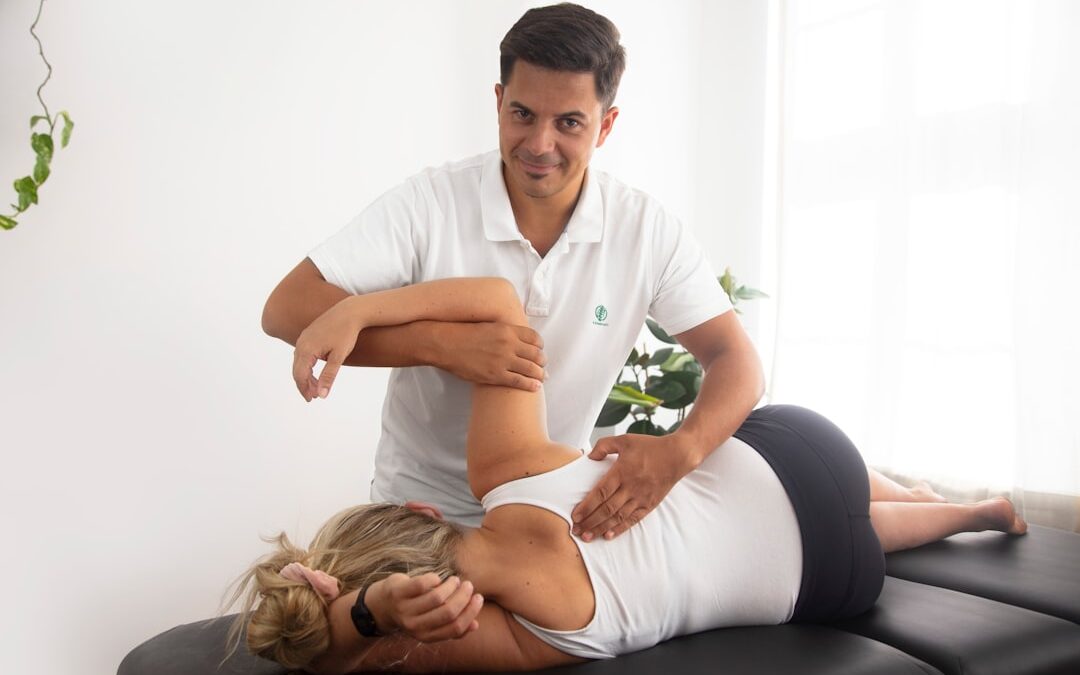
This is the heart of cuff care. Most rotator cuff injuries get better with the right therapy, including some tears that look ugly on an MRI. Therapy works on hands-on release for tight tissue, strengthening for the cuff itself, and bigger work around the shoulder blade that takes pressure off the cuff every time you lift your arm. The shoulder blade matters more than people realize. When it is weak or stuck, the cuff has nowhere good to work from.
Manual Therapy and Dry Needling
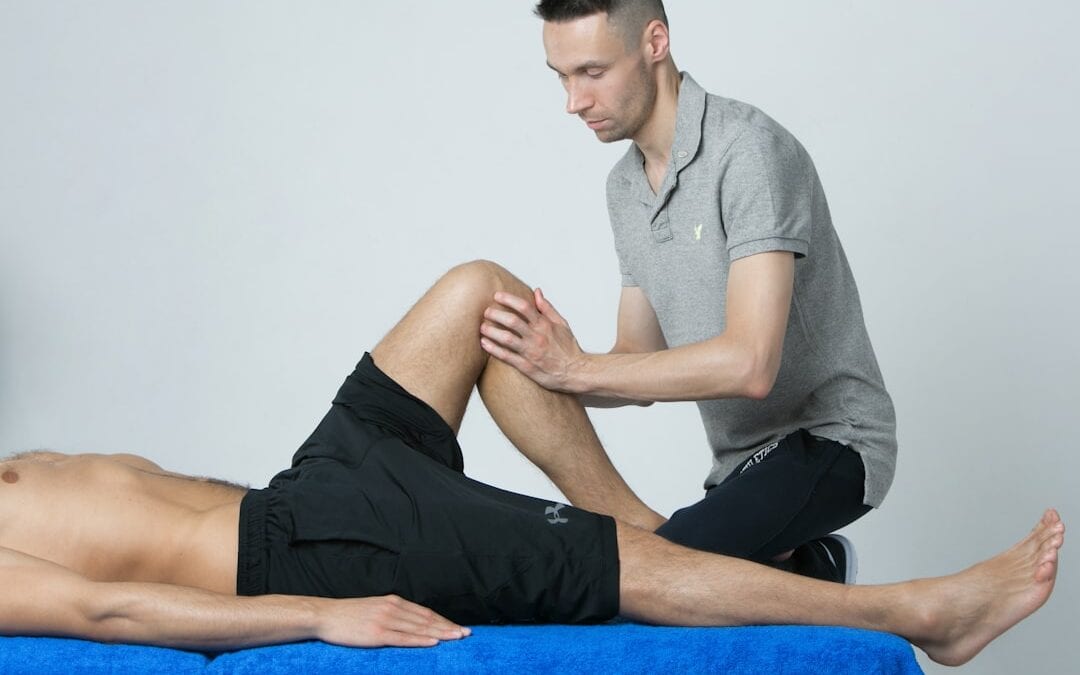
Cuff pain often comes with muscles stuck in protective mode. They guard the joint so hard that they hurt on their own. Hands-on work loosens that grip, and dry needling reaches the deeper stuff around the upper back and behind the shoulder. People usually feel a real difference in how the shoulder moves after a few sessions.
Injections When Inflammation Is Loud
Sometimes the shoulder is too inflamed for therapy to gain traction. Sleep is wrecked, movement is limited, and nothing else can get a foothold. A targeted injection can quiet things down enough for real work to start. The injection is not the fix on its own. It opens the door for strengthening, which is what actually holds long-term.
Getting Back to Real Life
The shoulder eventually has to handle the stuff that matters. Golf swings, pickleball, lifting grandkids, painting walls, yard projects. Each one puts the cuff in different positions under different loads. A good plan covers how to ease back into activity without setting the shoulder off again. Going from zero to full speed is what reinjures most cuffs.
If the shoulder has been hurting more than a couple weeks, reach out to Modern Medicine of Sun Lakes to get it evaluated before it sets in deeper.