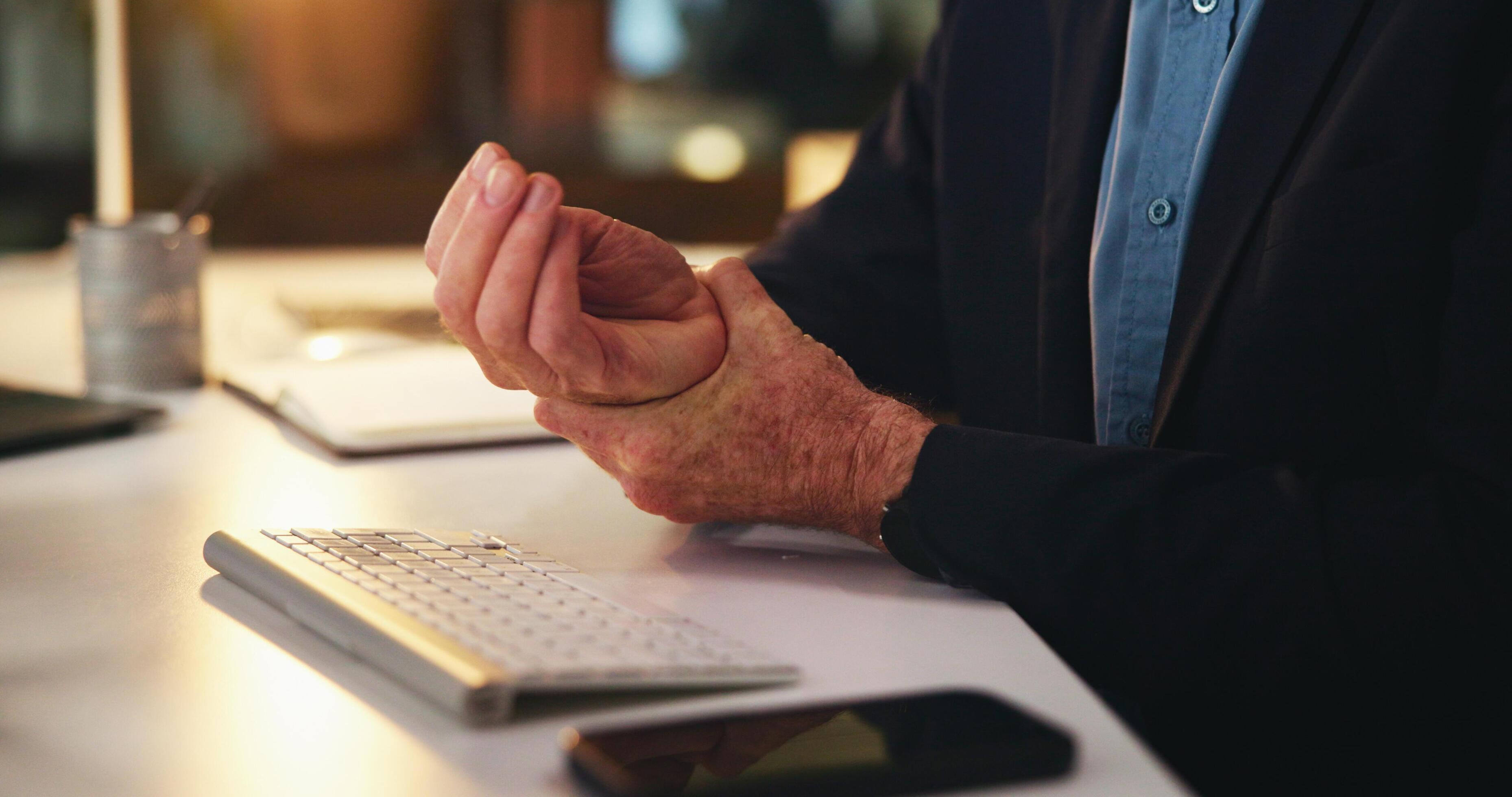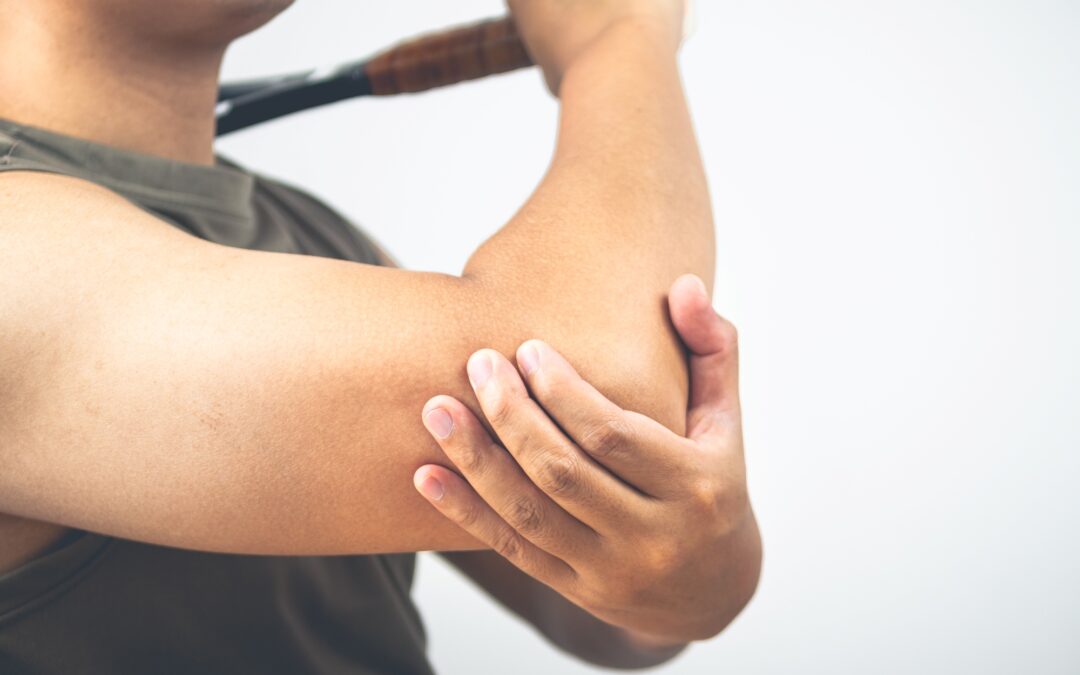
Tennis elbow is not limited to tennis players. It affects anyone who uses their wrists and forearms often. That might mean time spent in the garden, lifting grocery bags, hours on the computer, or just swinging a pickleball paddle a few times a week. The pain usually starts quietly on the outside of the elbow where the extensor tendons anchor to the bone. It can feel like a slow build at first, but with time, it starts interfering with tasks you used to do without thinking.
What is Tennis Elbow?
Despite the common name, tennis elbow is not always about sport, and it is not about inflammation. The medical term is lateral epicondylopathy, and the issue is rooted in degeneration more than irritation. What happens is this: small sections of the tendon experience microtears over time and never quite heal. The longer that stress goes unchecked, the more sensitive the tendon becomes. That is why rest alone doesn’t fix it. The tendon doesn’t need to shut down. It needs to be reloaded properly. Conservative orthopedic care focuses on applying the right kind of tension to the tissue, progressive, specific, and controlled, so it can repair itself without flaring up in the process.
Why Physical Therapy Works Better Than Passive Treatment
Rest, braces, or even steroid injections may bring temporary relief. But they don’t create lasting change in tendon structure or function. The real fix comes from rebuilding the tendon’s strength and resilience. At Modern Physical Therapy & Sports Medicine of Sun Lakes, AZ, we guide patients through a progression that often starts with isometric loading, then shifts into eccentric exercises and functional strengthening. We also evaluate wrist mobility, shoulder stability, postural control, and how the whole arm coordinates during daily movement.
What Does Treatment Look Like?
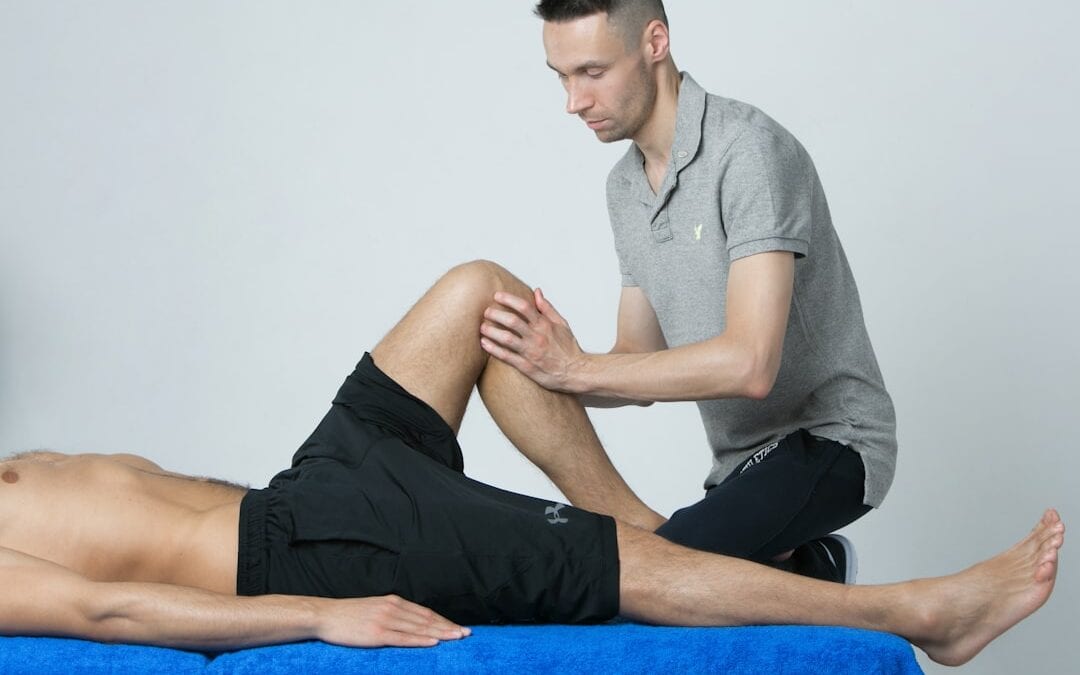
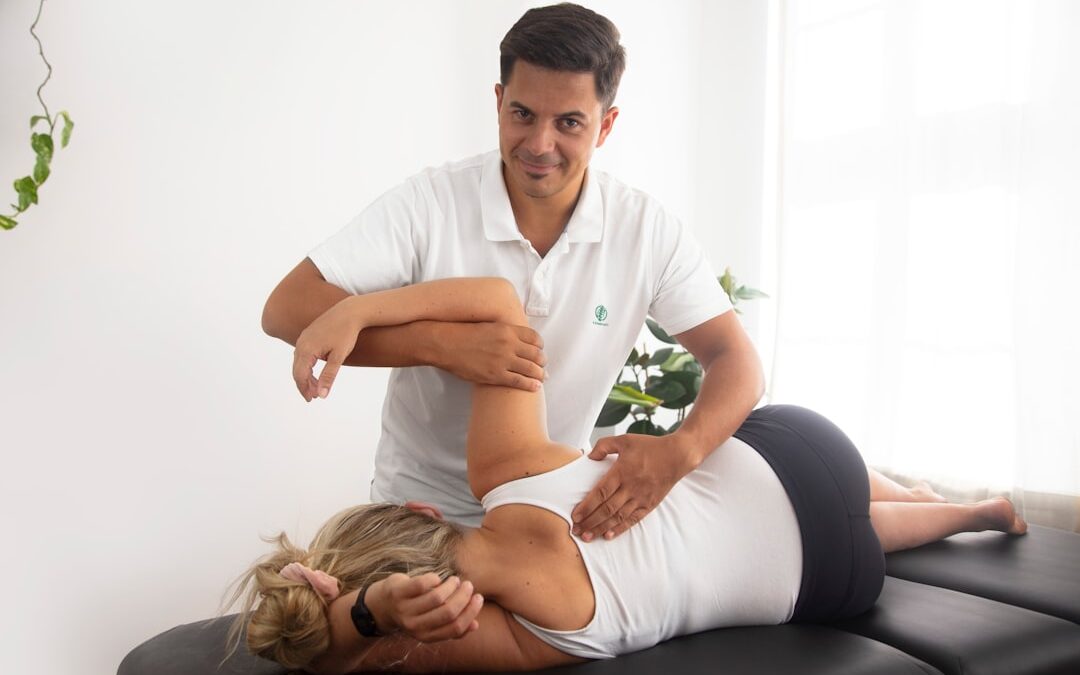
Every plan starts with assessment. We look at where the pain is, which activities trigger it, and how your arm is currently compensating. From there, we develop a care plan that may include soft tissue mobilization, tendon glides, isometric strengthening, resistance progression, and motor retraining for grip and wrist control. You’ll also learn how to adjust your habits, whether that’s the way you hold your mouse, pick up bags, or grip tools, so healing isn’t constantly undone by repetition.
When Should I Begin Treatment?
If your symptoms have been lingering for more than a few weeks with no real change, it’s time. Tendons do not bounce back easily after long periods of stress and inactivity. Waiting allows patterns of compensation to set in, which makes treatment take longer and progress feel slower. Even if the pain seems minor or tolerable, it is worth taking seriously before it becomes more disruptive or begins to affect the shoulder, wrist, or neck over time.
At Modern Physical Therapy & Sports Medicine of Sun Lakes, AZ, we don’t chase temporary fixes. Schedule your visit today and take the first step toward using your arm without flinching, guarding, or holding back.