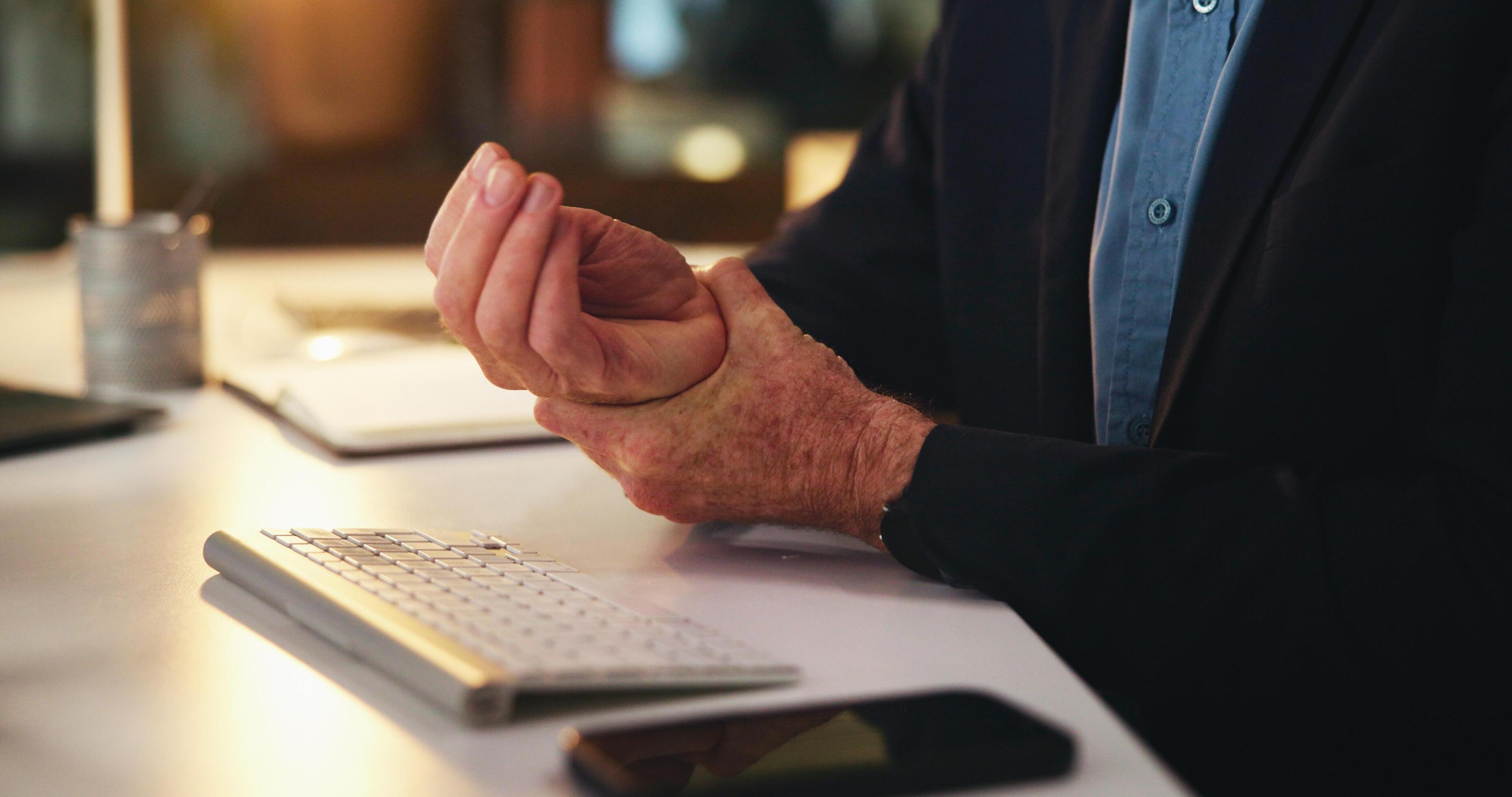
You trimmed the oleanders on Saturday, and your shoulder was barking about it Sunday night. That’s normal, and by midweek it’s usually fine. Same with a sore calf after a few laps around the lake, or an elbow that complains after a long morning of pickleball. Every so often, though, it doesn’t go away. You wake up with it. It flares up the minute you go back to the court or the garden, and by spring you realize you’ve been babying that arm since October. When it gets to that point, a heating pad and a few days off won’t do much.
Why Some Pain Hangs Around
Tendons are a little stubborn. They get tougher when you give them a bit more work week after week, but most of us do the opposite when they hurt. We baby the sore arm for two weeks, it feels okay, and then it’s right back to two hours of pickleball. Since the tendon never got any stronger, it flares right back up. Do that a few times and the tendon can get puffy and touchy, and the muscles around it start clamping down to guard it. After a while, even little stuff like carrying a grocery bag sets it off.
Age plays a part too. Tendons get a bit less springy as the years go by, and they take longer to bounce back.
Where We See It Most
Chronic muscle and tendon pain can show up just about anywhere. In Sun Lakes, these spots come up the most:
- Shoulders. Decades of golf and reaching for the top shelf wear on the rotator cuff.
- The outside of the elbow, usually from a paddle, a club, or the pruning shears.
- The side of the hip. You notice it the most when you roll onto that side in bed.
- The Achilles, which tends to be stiff for the first few steps after you get out of the car.
- The lower back and buttock. A long drive up to Prescott will remind you.
What We Do About It
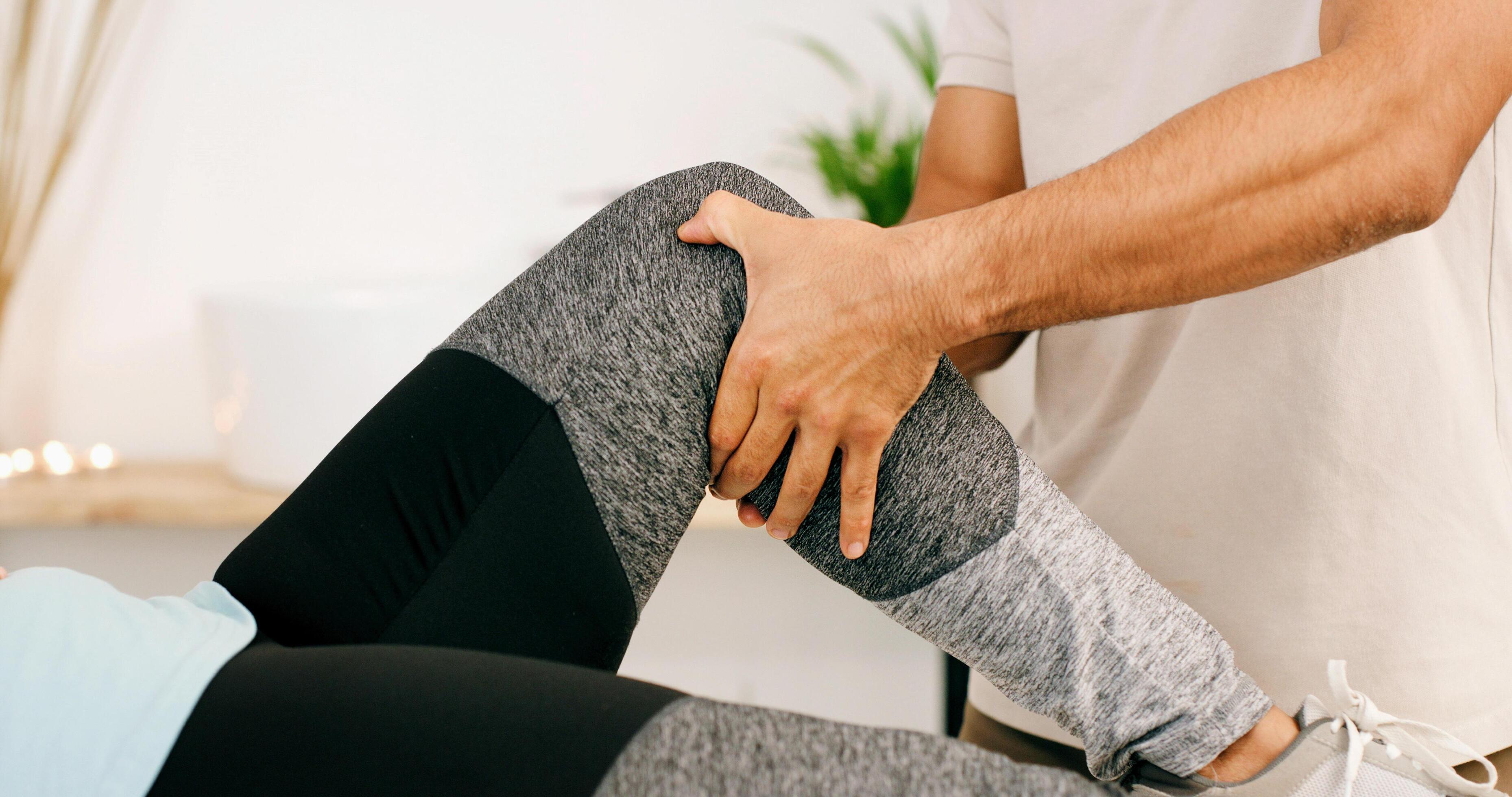
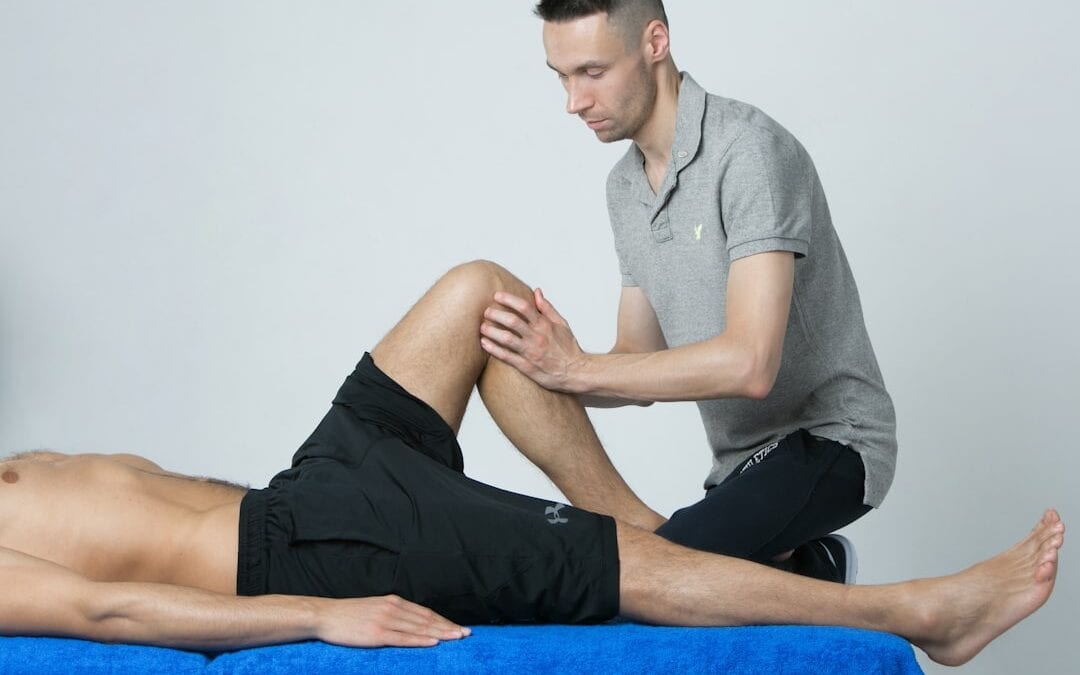
The first job is figuring out which tendon or muscle is the real problem, because it isn’t always the spot that hurts. We’ll poke around, have you push and pull against our hands, and watch you move. We also have an ultrasound right in the office, so we can see whether the tendon looks swollen or torn, and we can even watch it slide while you lift your arm.
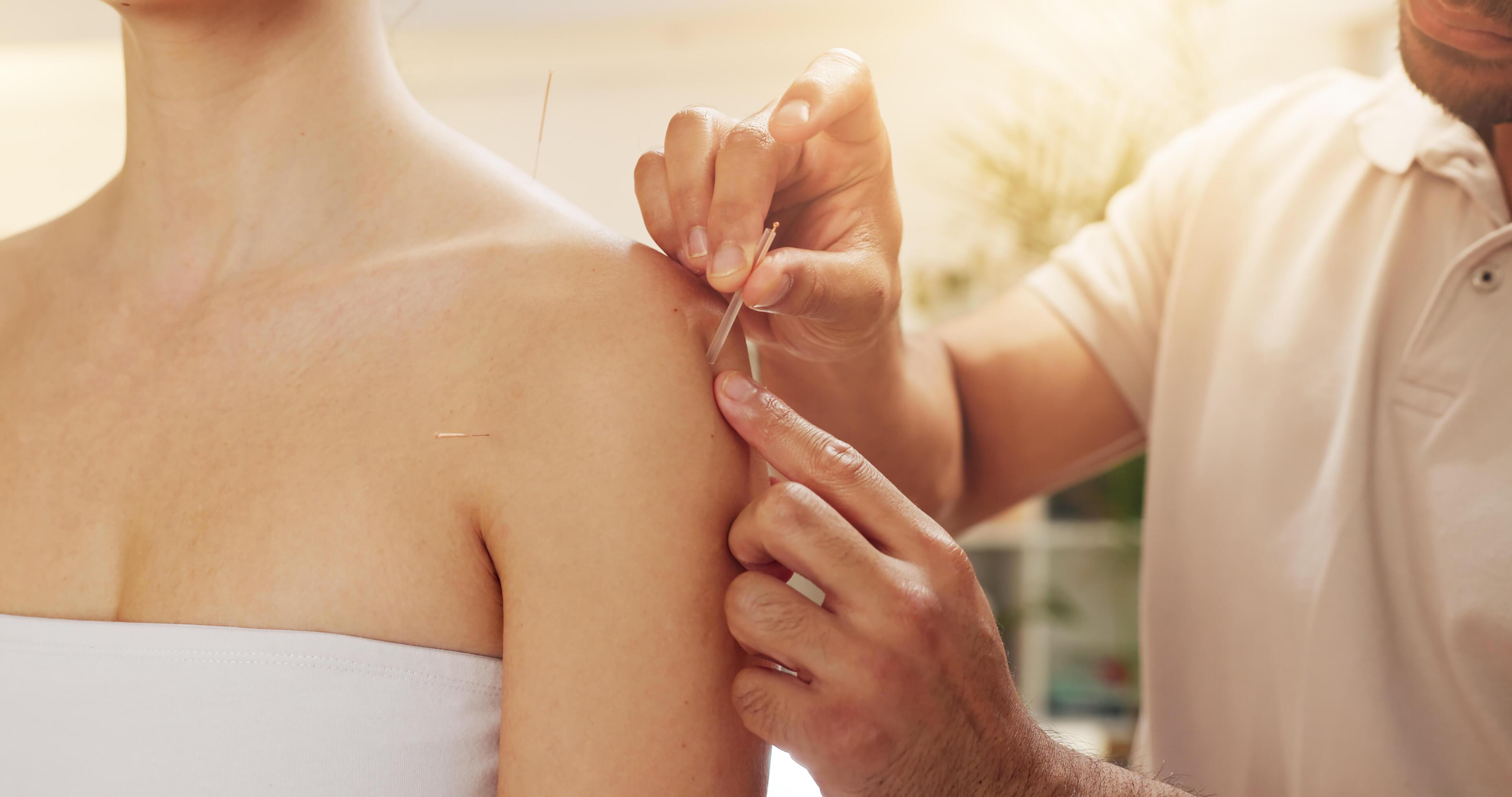
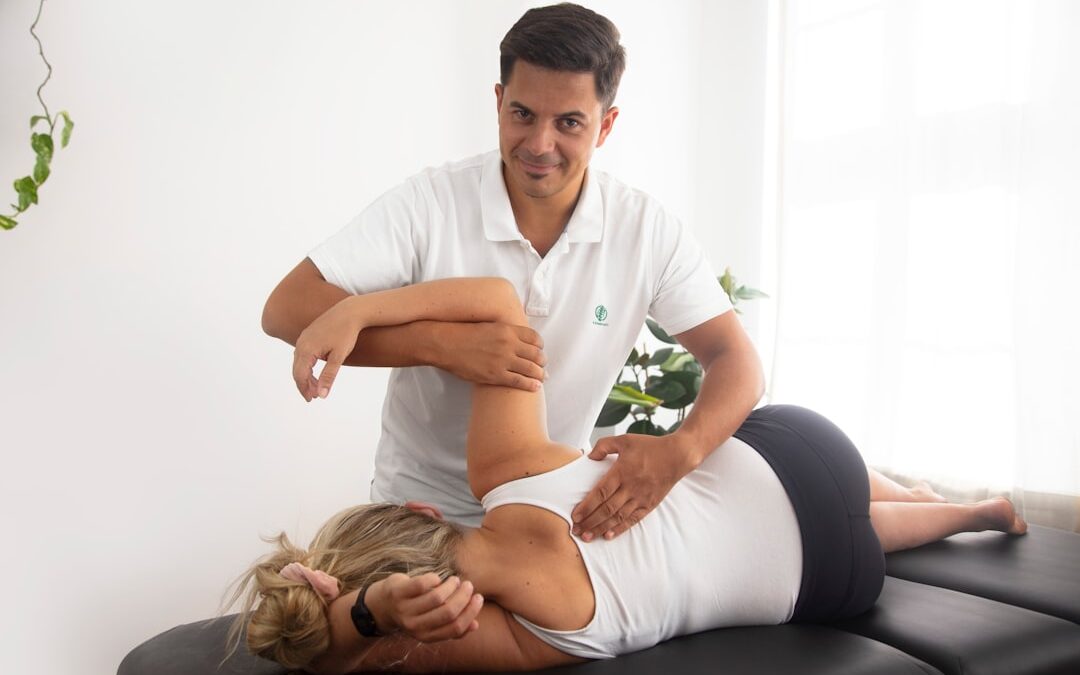
Then we build a plan. The main part is usually strength work aimed right at the sore tissue, starting light and adding a little more each week. It’s slow, but it’s what makes tendons tougher. Hands-on care can loosen tight muscles around the problem area. We’ll also look at what keeps setting it off, like the grip on your paddle, the height of your desk, or how you get out of bed.
When pain blocks progress, injections may help. A cortisone shot can calm a flare, and PRP is sometimes an option for tendons that haven’t responded to other care.
Most people see real changes in six to twelve weeks. If a sore muscle or tendon has been hanging on too long, call Modern Medicine of Sun Lakes, AZ. We’ll help you figure out what’s keeping it from healing.