Joint problems tend to get addressed reactively. Something hurts badly enough to force an appointment. The immediate issue gets handled. Then everything goes quiet until the next flare-up.
That pattern means a lot of quiet deterioration happens in between that nobody is paying attention to. Cartilage does not send pain signals while it is wearing down. Muscle mass does not announce its decline. The movement patterns slowly shifting to compensate for a stiff hip or a weak knee do not feel like a problem until the structure they are overloading starts complaining.
What Joints Need to Stay Healthy
Cartilage gets its nutrients through compression and movement. A joint that moves well and carries an appropriate load stays healthier longer than one that gets protected and rested. Muscle mass around a joint absorbs force and keeps the joint surfaces aligned. When that support thins, the joint takes on more direct stress than it was designed to handle.
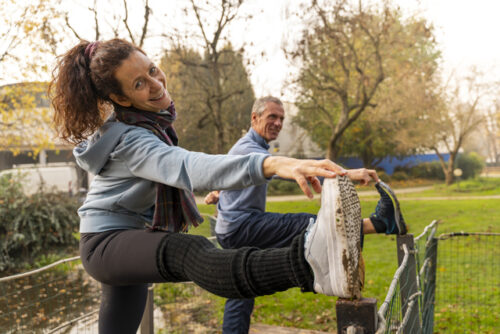
After sixty, muscle loss accelerates. The knee, hip, and shoulder all depend heavily on surrounding muscles to function without grinding through their surfaces. Sun Lakes residents who stay consistently active tend to maintain that support better. The ones who have been gradually moving less, often without realizing it, tend to show up with more significant joint problems than their age alone would suggest.
Where Orthopedic Care Fits In
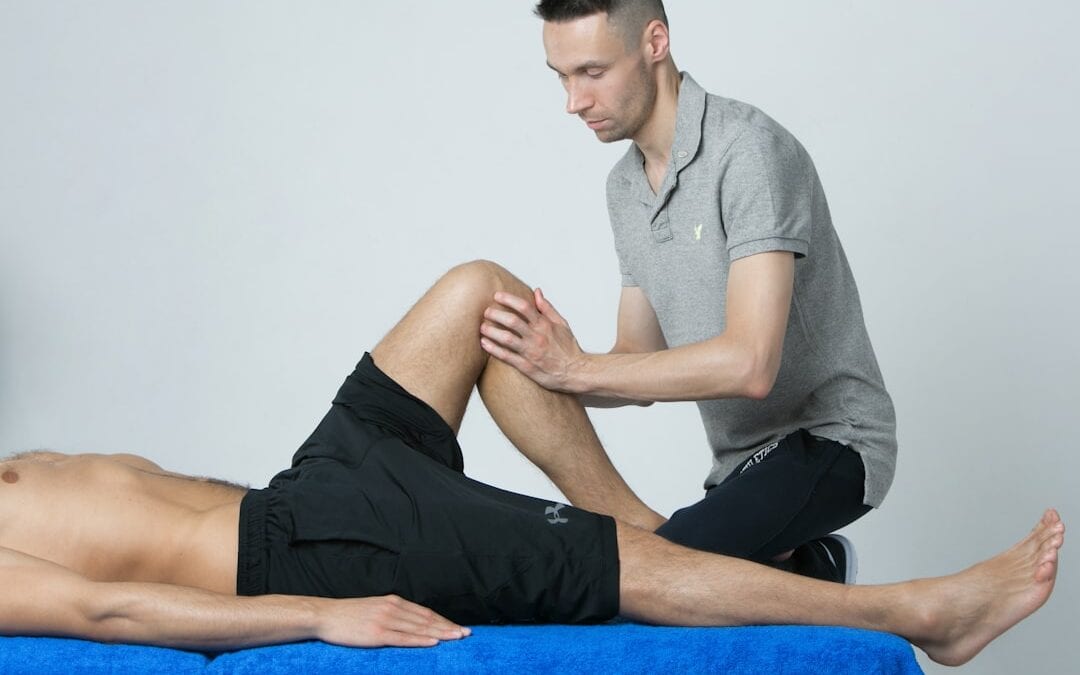
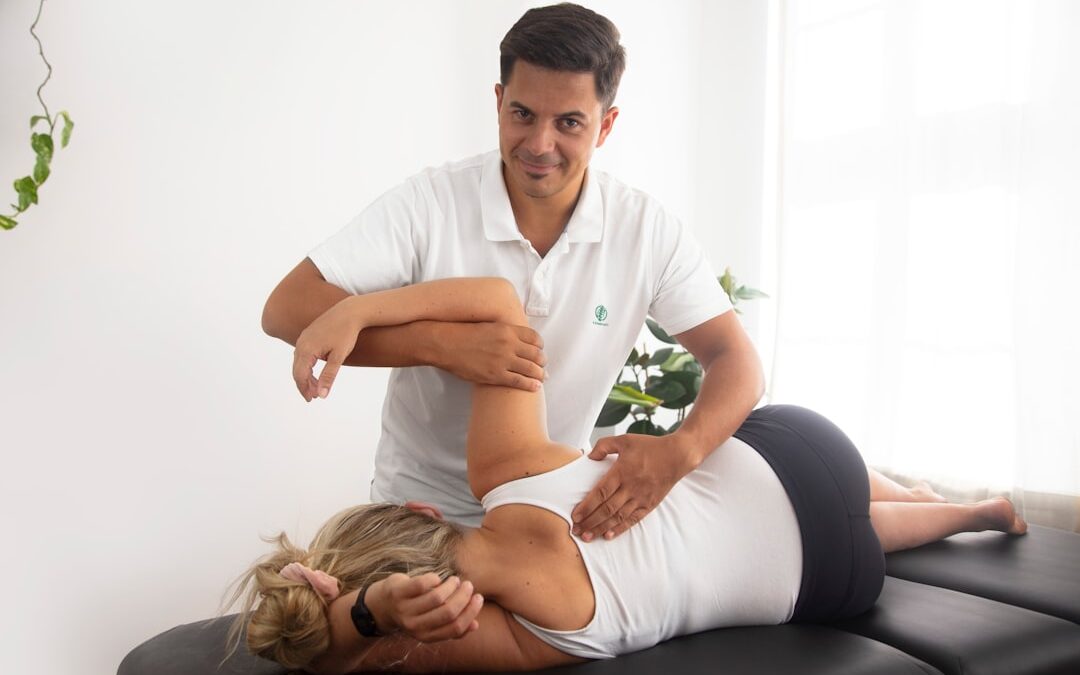
A proper orthopedic evaluation does not wait for something to break. It looks at where strength has dropped off and which muscle groups are leaving joints vulnerable. It identifies movement patterns loading joints unevenly before they produce obvious pain. It finds early degeneration that is manageable now but harder to address in two years.
Two patients of the same age can be in very different places joint-health-wise, depending on injury history, activity level, posture, and how much the body has been compensating for old problems that never got properly addressed.
What Ongoing Care Can Look Like
For some patients, it is a focused course of physical therapy targeting the specific deficits putting joints at risk. Weak glutes leave the hip and knee exposed. Poor scapular control loading of the rotator cuff. Tight hip flexors pull the lumbar spine into extension and stress the facet joints.
For others, it is periodic check-ins to monitor a joint showing early wear. Catching a change in cartilage status or muscle function early means more options and a shorter road back.
Injections play a role for some patients. Managing low-grade inflammation before it becomes chronic reduces the rate of cartilage breakdown and keeps the joint more responsive to exercise.
Start Before It Becomes Urgent
The window for keeping joints healthy is wider than most people realize. It does not stay open indefinitely, though. Joints that get proper attention early stay functional longer. The ones that get addressed only when pain forces the issue tend to be further down the road by then.
Get in touch with Modern Medicine of Sun Lakes, AZ, to schedule a joint health evaluation.