The First Goal Is Getting The Knee Moving Again
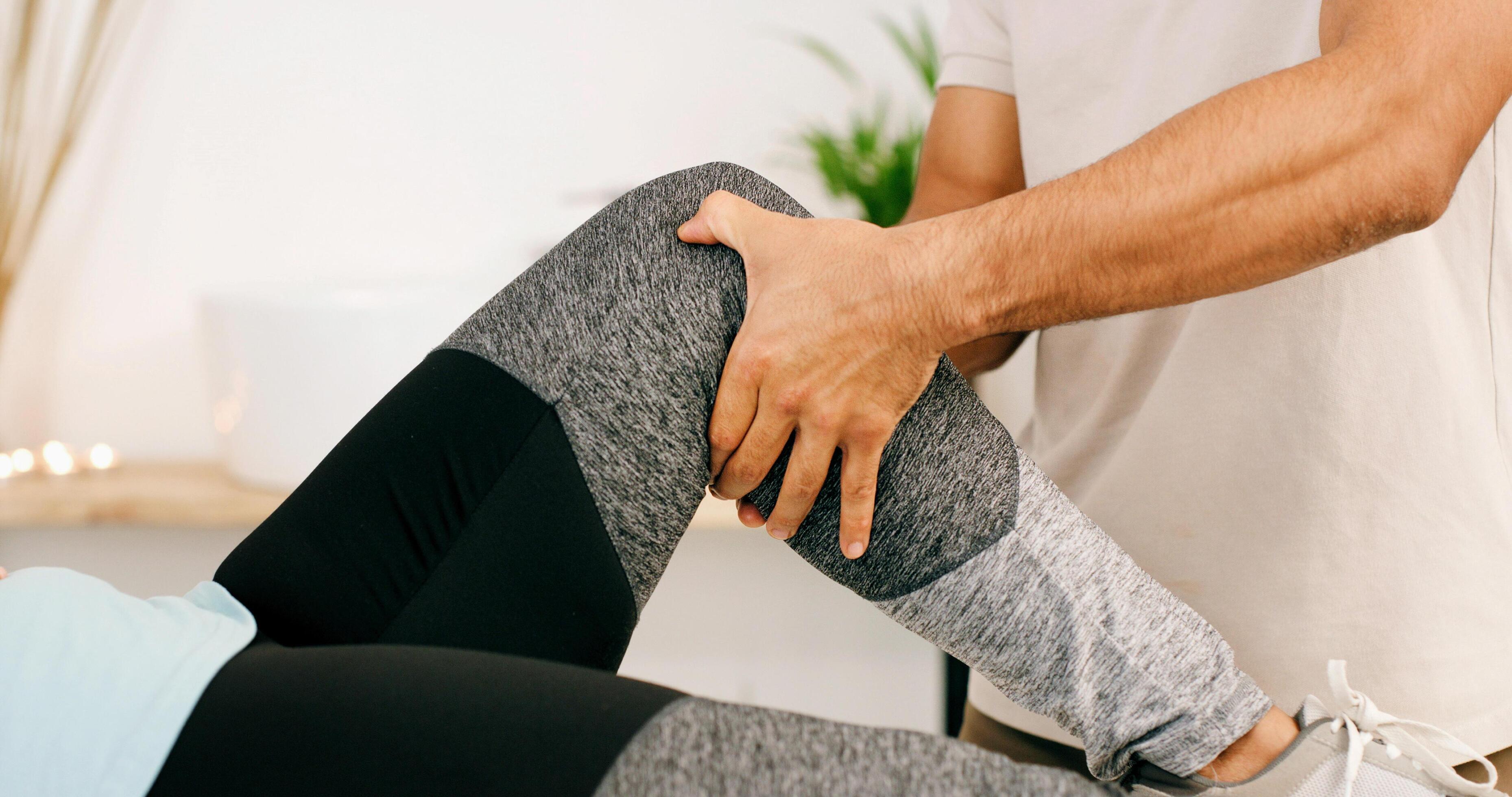
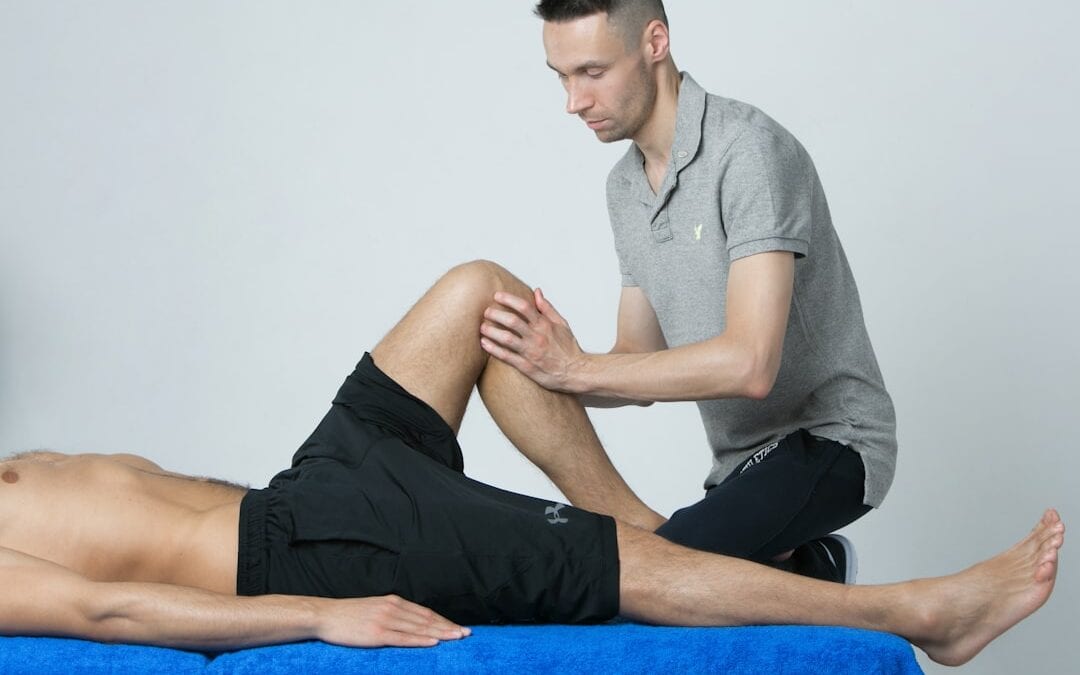
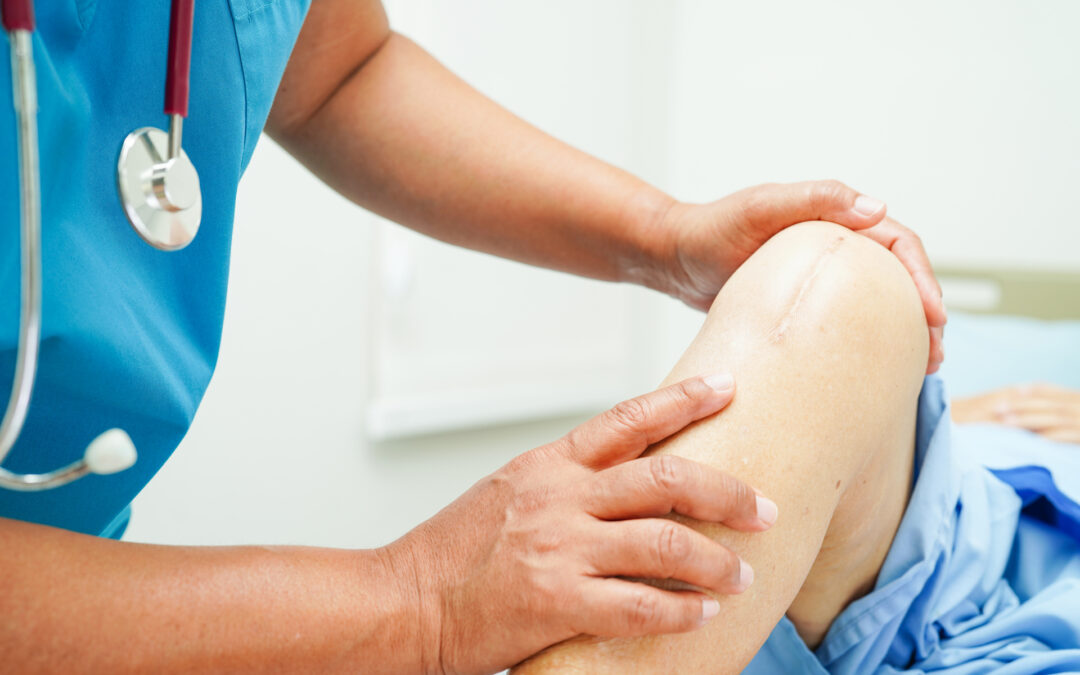
After a knee replacement, stiffness can build quickly if you avoid bending and straightening. Most patients feel tight, swollen, and unsure how much to move, especially in the first couple of weeks. PT starts by working on a safe range of motion. We focus on getting the knee to straighten and bend in a controlled way, without forcing it. This matters for walking, getting in and out of the car, and sleeping comfortably.
Swelling Control Changes How Fast You Progress
Swelling can limit motion and make the knee feel heavy. It can also shut down the quadriceps, which makes walking and climbing stairs harder. PT addresses swelling with movement, positioning, and activity pacing so you don’t flare the joint with too much too soon. Many patients do better when they have a clear daily plan for walking, exercises, and rest, instead of guessing and overdoing it on a “good” day.
Strength Comes Back Step By Step
The muscles around the knee weaken quickly after surgery. The quadriceps often feel like they won’t fire normally at first. PT focuses on waking that muscle up, then gradually building strength in the legs and hips so the new knee has support. Strength training starts simple and becomes more functional as you improve, moving from basic control to tasks like sit-to-stand, step-ups, and longer walking.
Walking And Stairs Need Retraining
Even with a successful surgery, walking can feel awkward at first. Many patients limp out of habit or shift weight away from the surgical side. PT helps retrain gait so you walk more evenly and don’t overload the other knee, hip, or low back. Stairs also need a progression. We focus on balance, timing, and leg strength so stair use becomes smoother and less stressful.
What A Good Home Program Usually Includes
Home work matters because progress comes from consistency between visits. A plan should be simple enough to follow and specific enough to move recovery forward. A typical home program includes:
- Range of motion work for bending and straightening
- Quadriceps activation and strengthening
- Hip and glute strengthening for better leg support
- Walking practice with a focus on even steps
- Swelling management through pacing and positioning
- Step practice when cleared, starting small and controlled
When Recovery Feels “Slow” And Needs Adjustment
Some days will feel easy, and others won’t. That’s normal. But if swelling keeps rising, the range of motion stops improving, or walking feels stuck, your plan may need changes. PT helps by adjusting exercise intensity, walking volume, and technique so you keep progressing without setbacks. We also watch for signs of compensation that can cause new pain, like overloading the other leg or tightening the lower back.
Start PT After Knee Replacement
If you’ve had a knee replacement and want a structured plan that supports steady progress, PT can help. Schedule a post-op evaluation with Modern Physical Therapy & Sports Medicine of Sun Lakes, AZ to improve motion, rebuild strength, and return to daily activity with confidence.