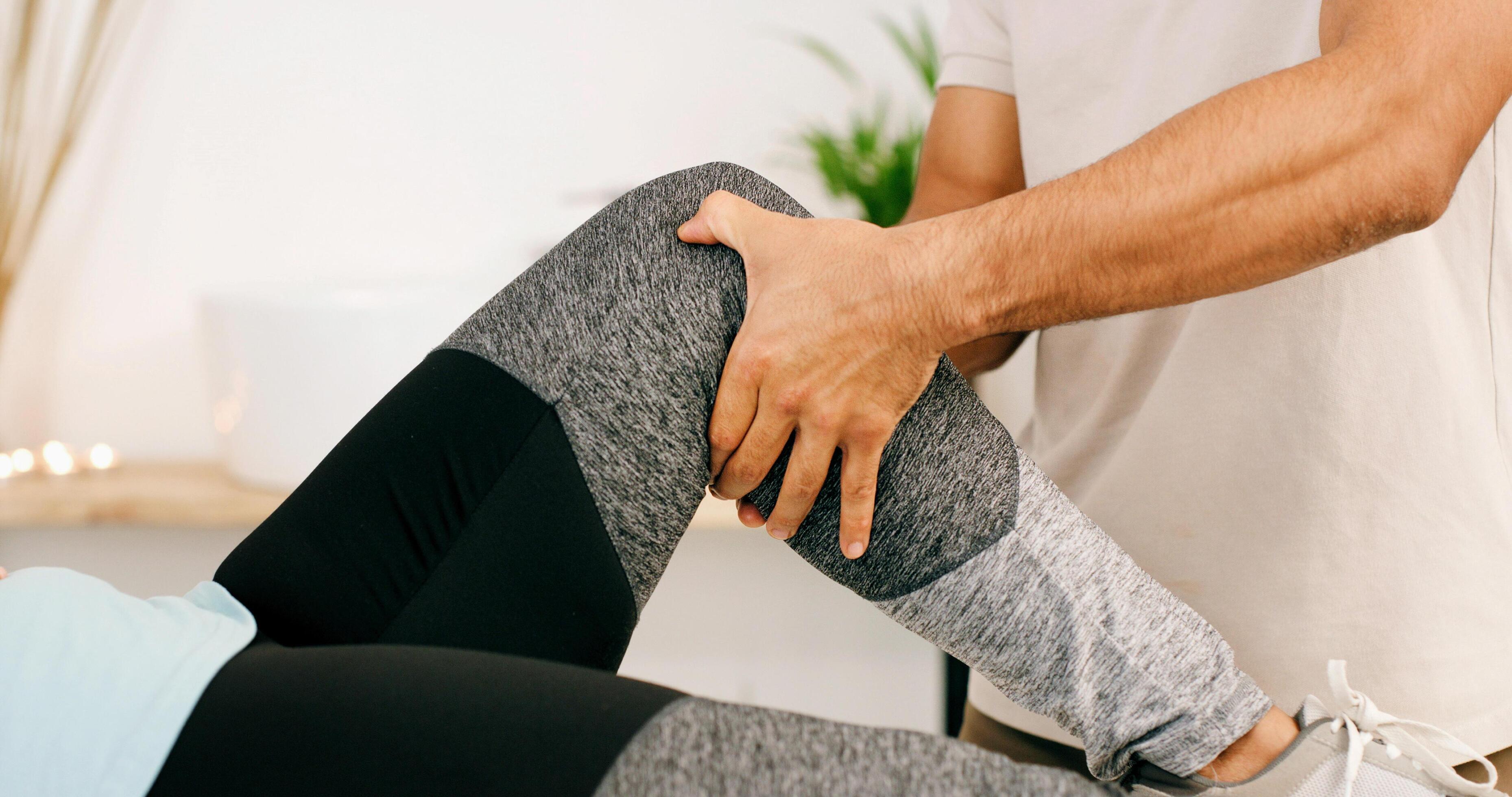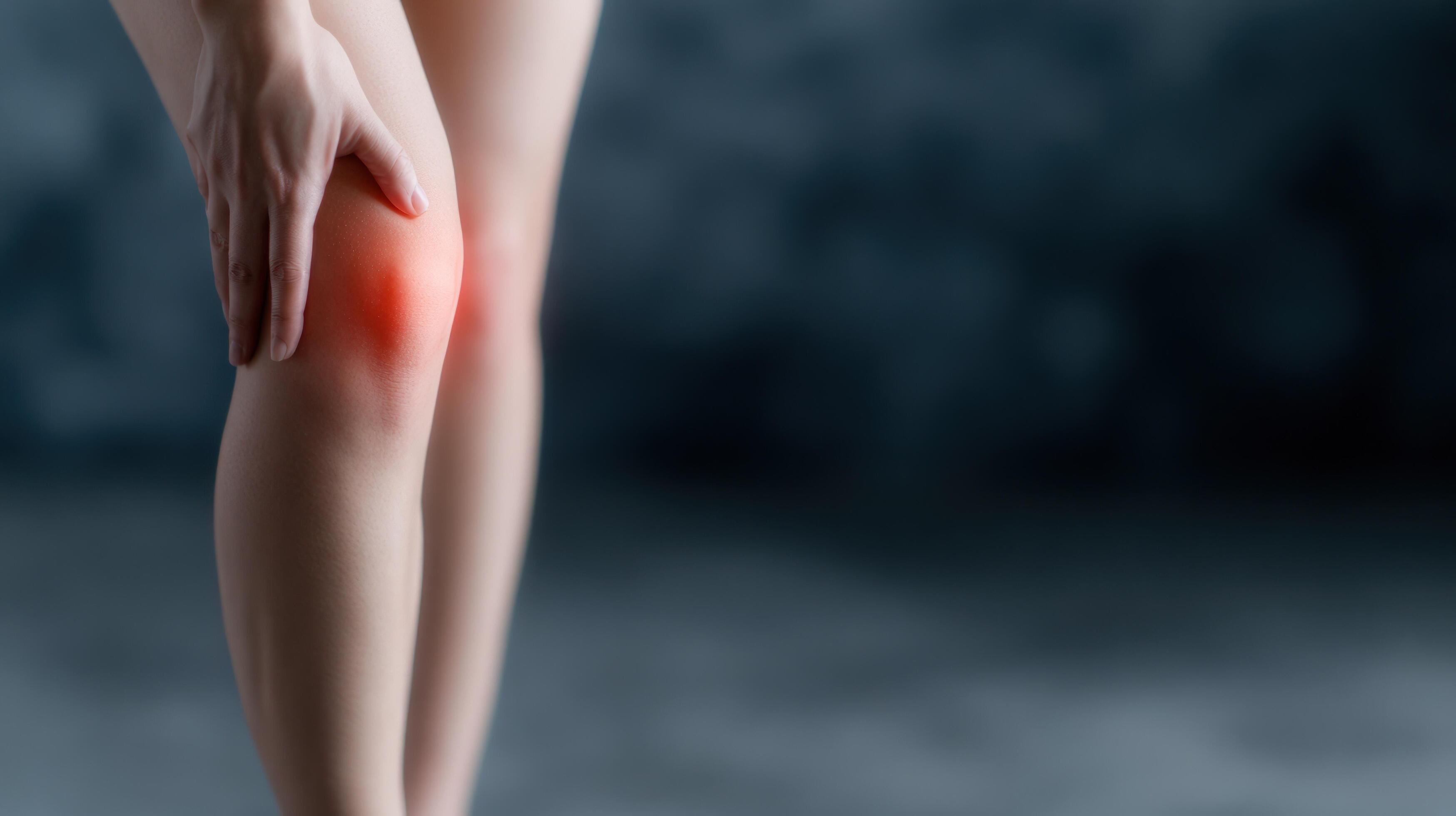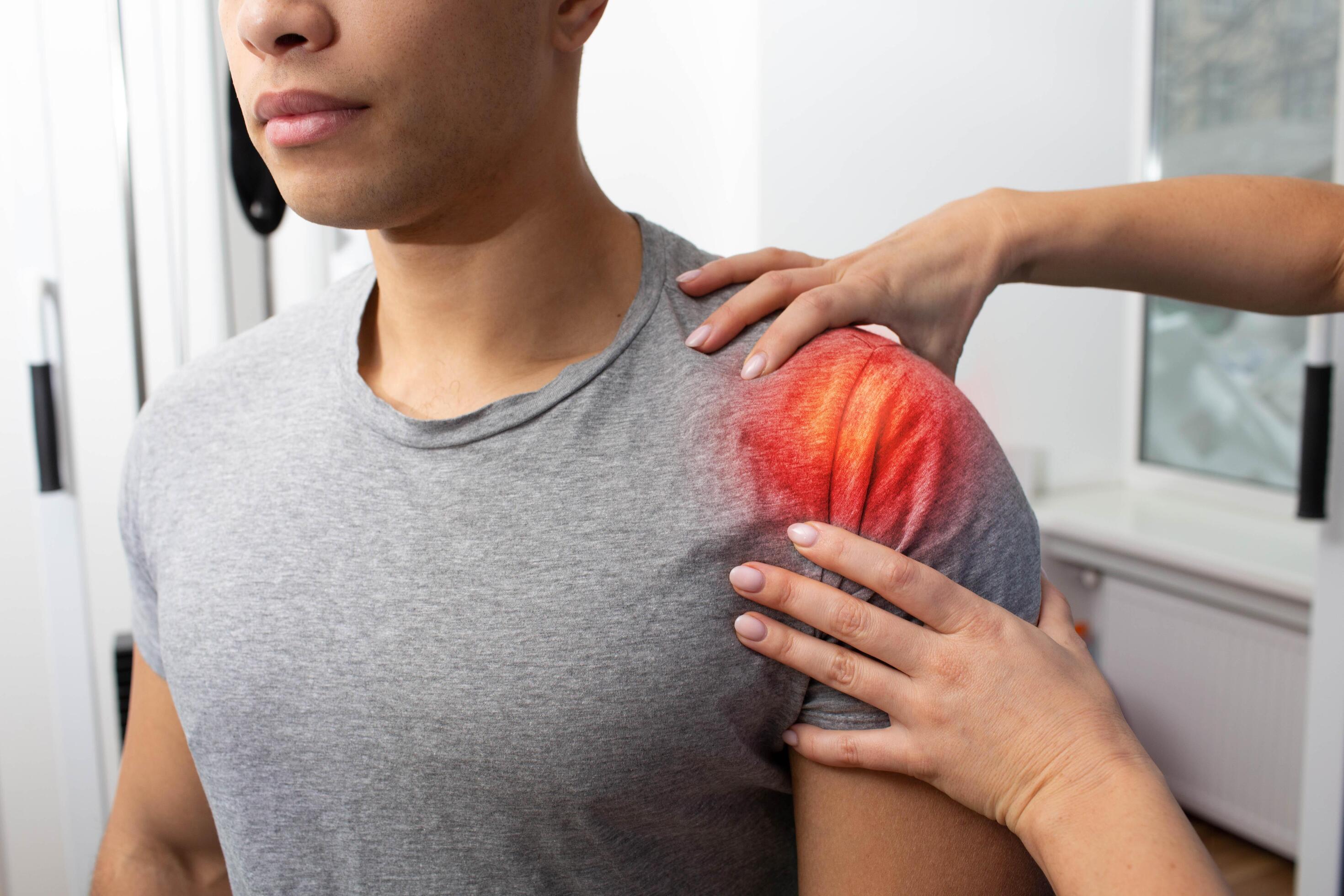
Pickleball is fun, fast, and easy to start. That’s why so many people in Sun Lakes play several times a week. But the mix of quick starts, sudden stops, and repetitive swings leads to more injuries than people expect. Most players don’t feel anything at first. Then one day the knee aches, the shoulder pinches, or the Achilles feels tight after a match.
How Pickleball Injuries Happen
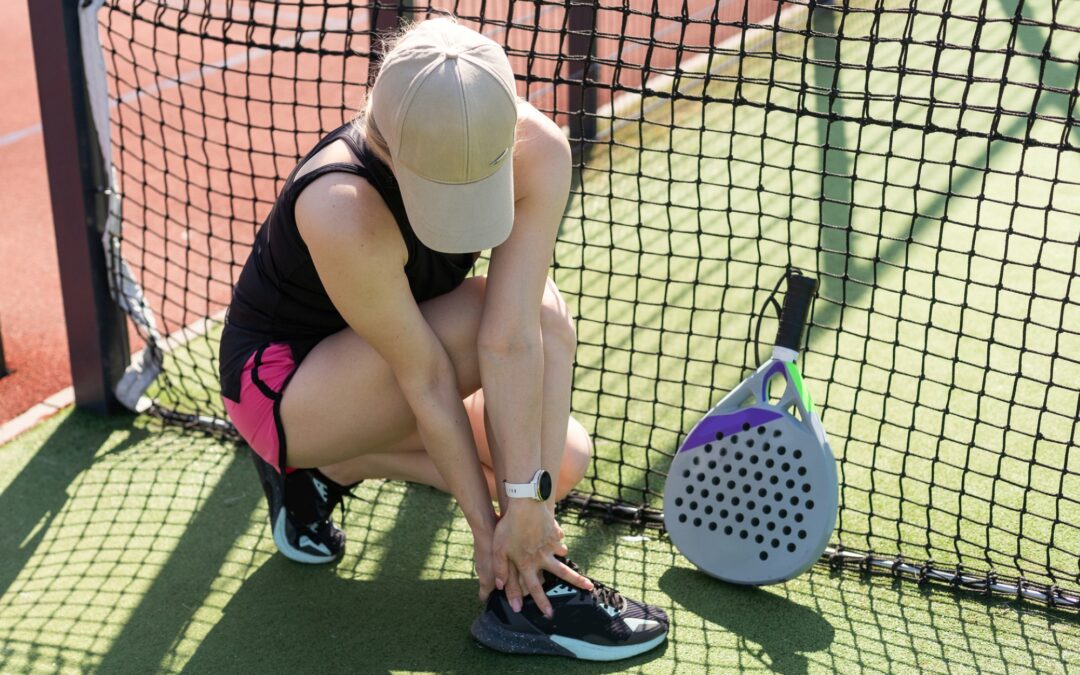
The movements are small, but they add up. Quick lunges strain the knees. Reaching for low balls pulls on the hip flexors. Repetitive overhead shots irritate the shoulder. Fast direction changes challenge the ankles. When these motions pile up, irritation shows up in places you weren’t watching.
Common trouble spots include:
- Knees
- Shoulders
- Ankles
- Achilles
- Lower back
Who’s Most Likely To Get Hurt
Beginners often get injured because they move too fast without controlling their steps. Older adults get injured because mobility or balance has dropped a bit over the years. Competitive players get injured because they play often and don’t give their joints enough recovery time. Each group gets hurt for different reasons, but the patterns look the same.
You’re at higher risk if:
- You don’t warm up
- You move with stiff hips
- You have old injuries
- Your balance is shaky
- You play several days in a row
How To Prevent Pickleball Injuries
Most injuries are preventable with small changes. You don’t need a long routine. You need consistency.
Start With A Short Warm-Up
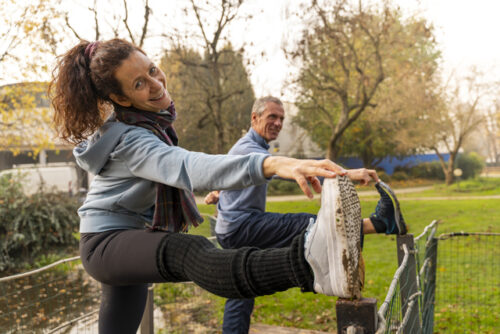
A few minutes is enough. Walk, move your hips in small circles, and loosen your ankles. Get your knees and shoulders moving before stepping onto the court.
Strengthen Your Hips And Legs
Strong hips support the knees during quick lunges. Strong calves protect the Achilles during push-offs. You don’t need weights. Even small bodyweight exercises help.
Focus On Shoulder Control
Overhead swings stress the shoulder. Light strength work for the rotator cuff and shoulder blade muscles makes your shots safer and smoother.
Work On Balance
Pickleball demands quick reactions. Better balance reduces ankle sprains and helps you recover after fast lateral steps.
Give Your Body Recovery Time
A lot of injuries happen when people play multiple matches without rest days. Muscles tighten. Tendons get irritated. Joints swell. Spreading out your playtime helps more than you think.
Check Your Footwear
Shoes that don’t grip or support your feet make every movement more stressful. Court shoes with stable sides help reduce twisting injuries.
Know Your Limits
Pain that lingers after every match is a warning. Tightness that returns daily is another. Catching these early keeps you on the court longer.
Learn Better Movement Patterns
Many players twist through the knees or land with stiff ankles. A small tweak in how you step, pivot, or reach can protect your joints from repeated irritation.
Why These Tips Work
Pickleball is quick, but your joints aren’t fragile. They just need a little prep. A warm-up helps your muscles wake up. Strength helps you push off without strain. Balance helps you move without falling into awkward angles. Recovery helps your joints reset so they don’t flare every week.