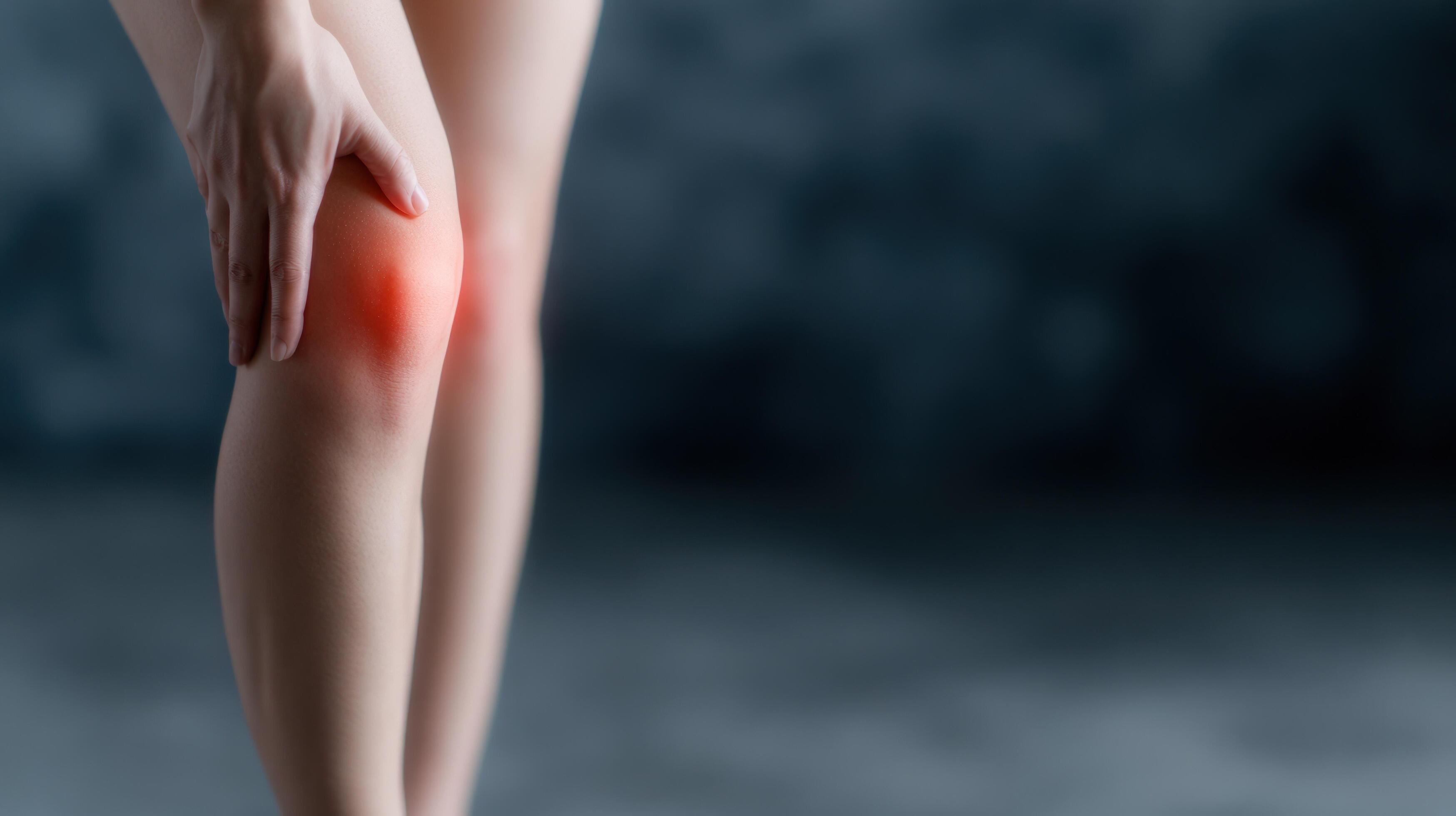
Tendon and ligament pain can be stubborn.A lot of patients expect a sore area to calm down with rest, then get frustrated when it keeps coming back. That happens because these tissues do not always recover well from random stop-and-start activity.
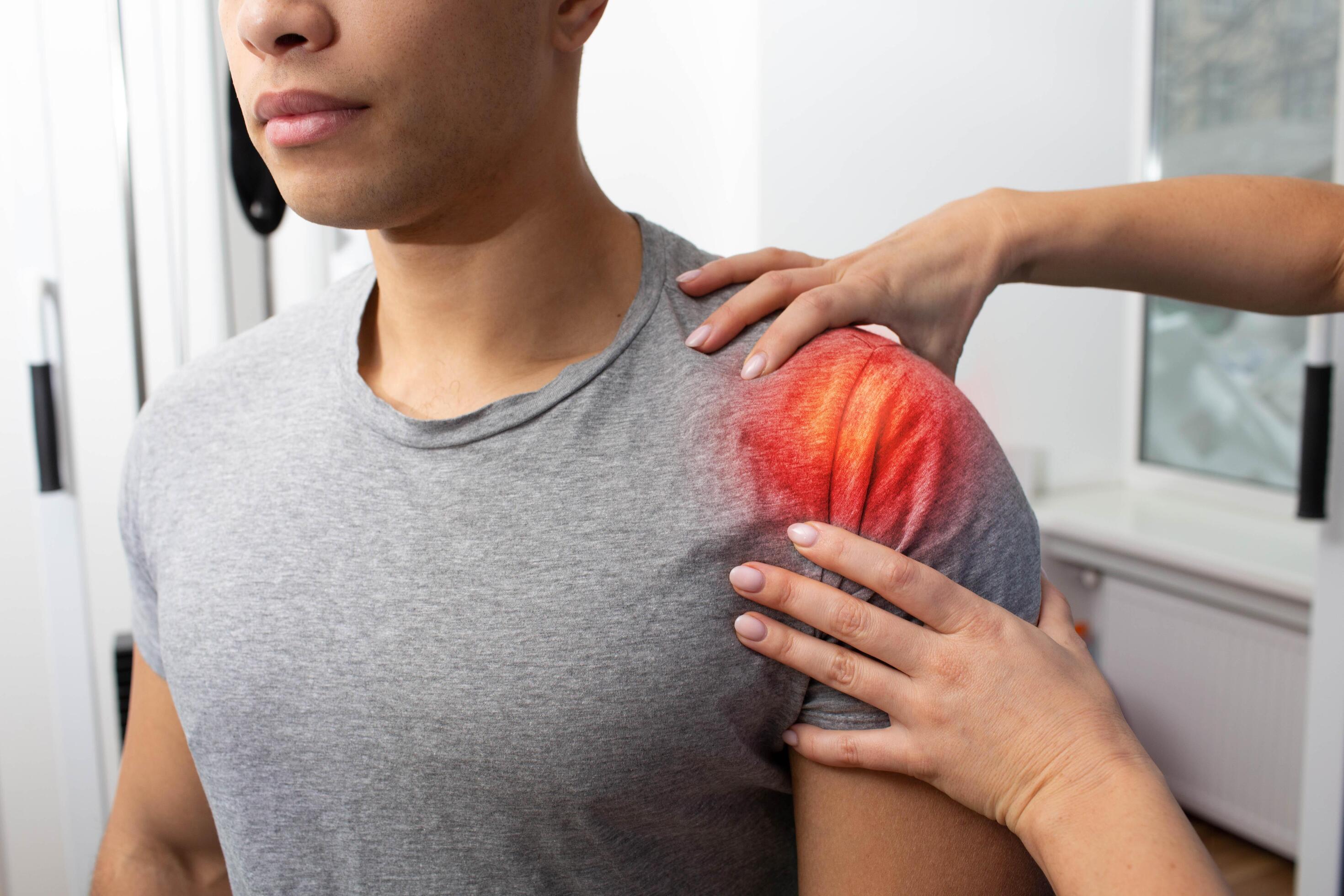
We often see a patient twist a knee playing pickleball. Another strains an ankle during a walk. Someone else develops pain in the shoulder, elbow, or Achilles after repeating the same motion for weeks. The pain may not seem severe at first, but it starts affecting how they move.
Signs That Recovery Needs More Than Rest
Some aches settle down on their own. Some do not. It is worth getting checked when pain keeps returning with the same activity, the joint feels unstable, swelling does not fully go away, or daily movement starts changing. People may notice they are limping, avoiding stairs, reaching differently, or bracing before certain motions.
Those changes are easy to brush off, but they matter. Once the body starts working around the problem, other areas may begin picking up extra stress.
How Sports Medicine Treatment Is Built
Treatment starts with figuring out what tissue is involved and why it is still irritated. At Modern Medicine of Sun Lakes, AZ, that means looking at more than the sore spot alone.
A plan may include:
- Strength work for the affected area
- Balance and stability training
- Mobility work for nearby joints
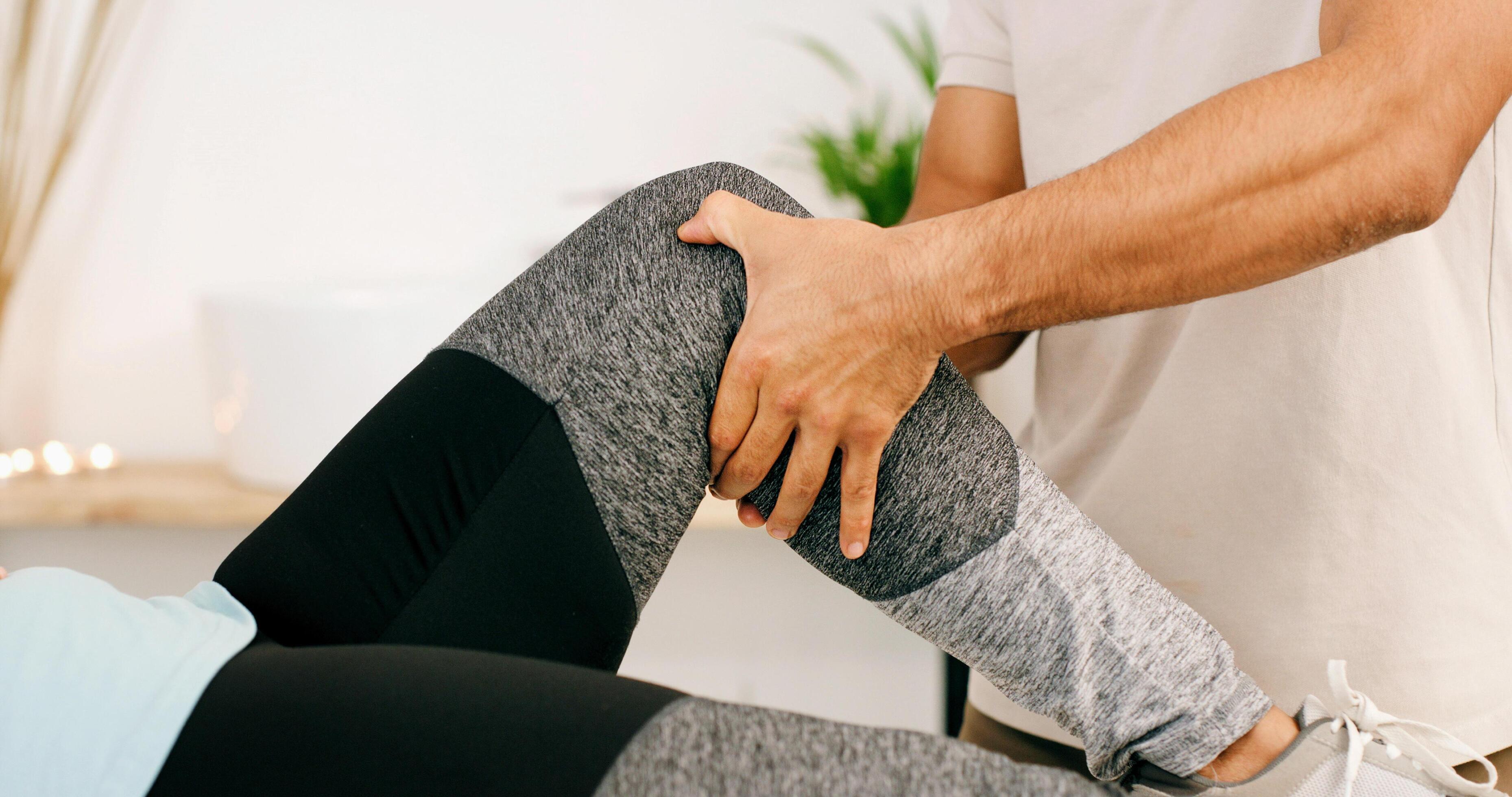
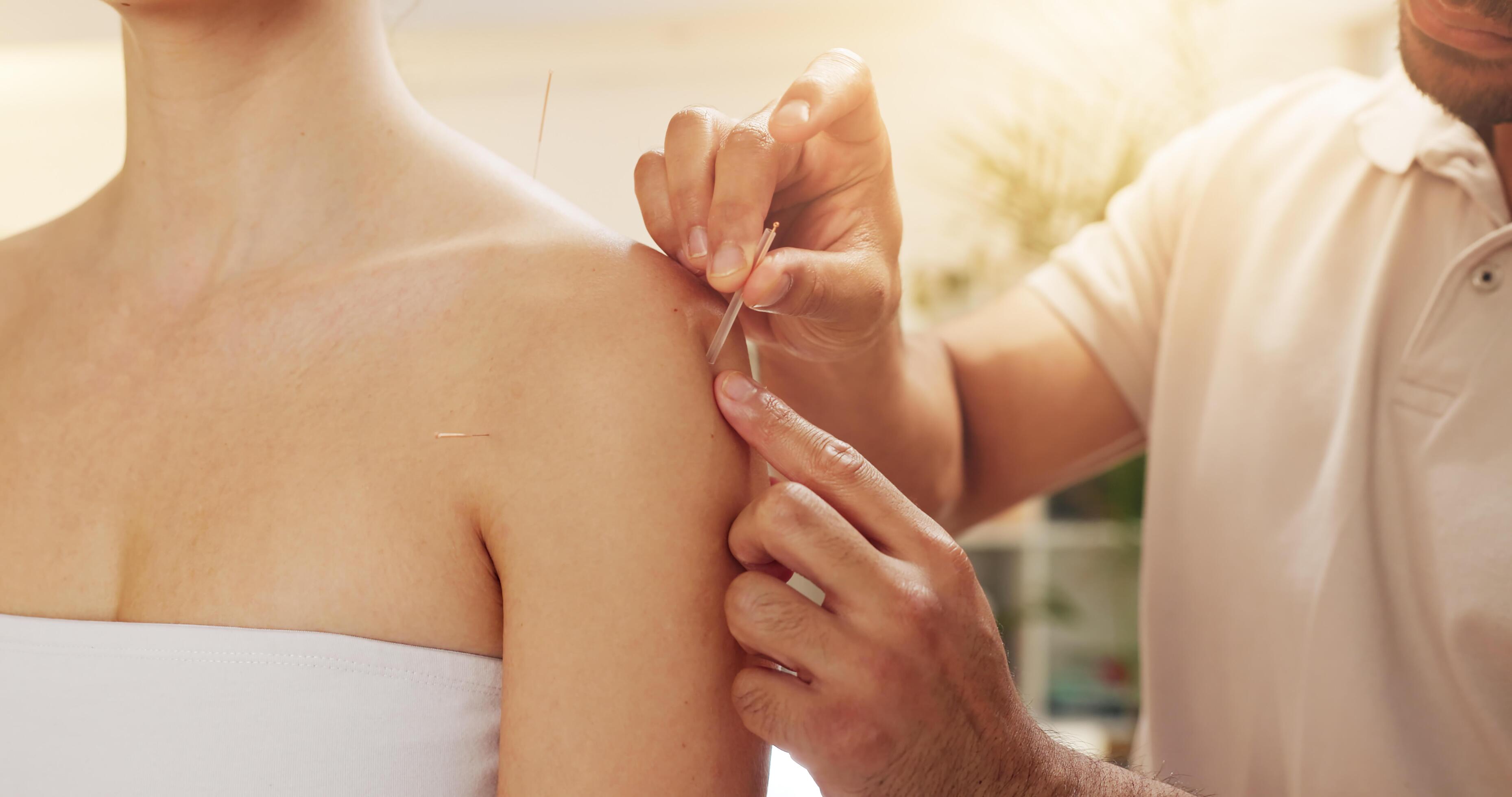
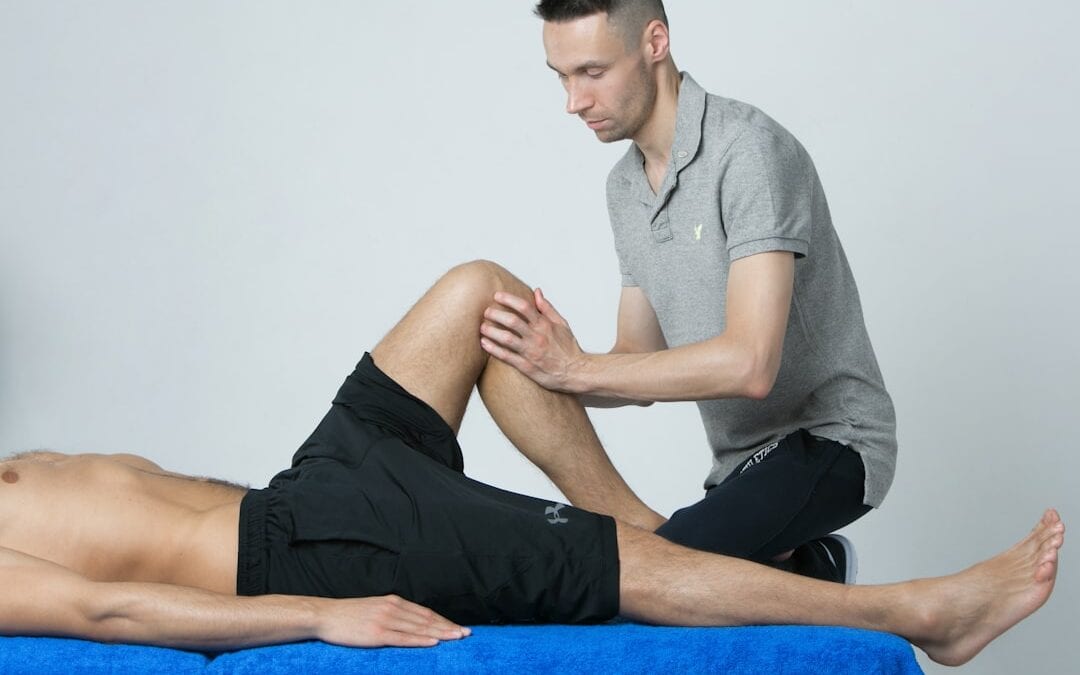
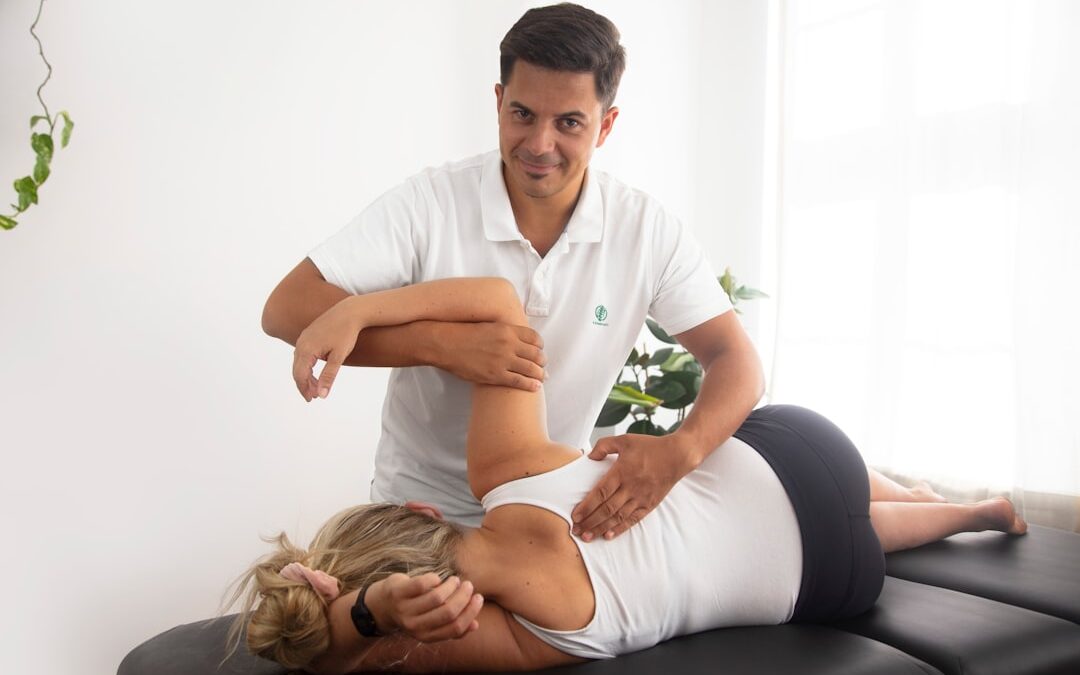
- Hands-on treatment when needed
- Activity changes during healing
- A step-by-step return to exercise or sport
The right mix depends on the injury. A painful Achilles tendon may need gradual calf loading. A sprained ankle may need balance work and control drills. A sore shoulder ligament may need support from the muscles around the joint before pain settles down fully.
What Recovery Can Include
Most people notice progress in smaller ways first. Morning stiffness eases up. Walking feels smoother. The joint feels less shaky. A workout causes less soreness afterward. These changes may seem minor, but they usually show that the tissue is starting to handle more demand.
The timeline depends on the injury, how long it has been there, and how closely the plan matches the problem. Some people improve fairly quickly. Others need a longer stretch of guided rehab to get lasting results.
Returning to Activity the Right Way
A lot of setbacks happen when pain drops before the tissue is fully ready. Patients feel better, so they jump back into full activity too fast. Then the pain flares and the cycle starts over.
A better return is gradual. That may mean shorter walks before longer ones, lighter resistance before heavier training, or controlled drills before full-speed sports. The goal is to rebuild trust in the area while giving it enough work to recover well.
At Modern Medicine of Sun Lakes, AZ, we help those with tendon and ligament pain with treatment built around how they move and what they want to return to. If pain, weakness, or instability has been hanging on, it may be time to get it checked.